The Critical Role of Closed Loop Water Testing
In the UK, modern building services rely heavily on high-efficiency boilers and chillers that are increasingly sensitive to poor water quality. Failing to implement a rigorous closed loop water testing schedule often leads to rapid component failure and significantly reduced thermal efficiency. The primary goal of testing is to ensure that the protective chemical barrier remains intact and that suspended solids or microbial growth do not compromise heat transfer surfaces. UKGP Industrial emphasises that preventative monitoring is the only way to avoid the high costs of emergency plant replacement or extensive chemical flushes. For Facilities Managers and M&E contractors, understanding the nuances of system chemistry is essential to fulfilling warranty obligations and meeting BSRIA BG50 requirements for plant longevity.
Effective closed loop water testing should be viewed as a high-frequency activity rather than an annual tick-box exercise. As systems undergo pressure changes or minor leaks, fresh water ingress introduces oxygen and salts that fluctuate the chemical balance. Without a consistent testing regime, these changes go unnoticed until radiators leak or heat exchangers block. For consultants, specifying a testing frequency that aligns with the system volume and complexity is paramount. UKGP provides the robust hardware necessary to maintain these systems once testing reveals an issue, ensuring that diagnostic data is translated into remedial action. Whether you are managing a small office block or a massive district heating network, the principles of chemical stability and mechanical filtration remain the cornerstone of effective water management.
The financial implications of neglecting water quality are substantial, with energy bills often spiking by 10-15% when scale or sludge accumulates. By investing in dedicated closed loop water testing services and the subsequent equipment to fix identified issues, such as side stream filtration, owners can extend the life of a plant by decades. At UKGP, we see first-hand how proactively managed systems avoid the sludge formation that typically plagues older installations. It is also important to consider the legal and safety ramifications; poor water management can lead to bacterial proliferations like Pseudomonads, which, while not as lethal as Legionella in open systems, cause immense damage to modern valve sets and narrow-bore pipework. Maintaining a clear log of results remains the best defence against insurance claims and operational downtime.
- Minimises the risk of oxygen-driven corrosion in steel and copper components.
- Ensures compliance with BSRIA BG29 (pre-commission) and BG50 (maintenance) standards.
- Reduces energy consumption by maintaining clean heat transfer surfaces.
- Prevents the build-up of magnetite and non-magnetic sludge.
- Validates the performance of chemical dosing and corrosion inhibitors.
Key Parameters: What Your Testing Should Measure
A comprehensive closed loop water testing report must cover several physical and chemical indicators. Conductivity and pH are the most basic yet most influential metrics. In most BSRIA-compliant systems, a pH between 8.2 and 10.0 is targeted for steel systems to prevent acid-driven corrosion. Conductivity measures the total dissolved solids (TDS); if this value rises significantly above the incoming mains water baseline, it usually indicates either excessive chemical dosing or a leak-and-top-up cycle that is introducing minerals into the system. These metrics provide an immediate snapshot of whether the water is becoming aggressive or scale-forming, allowing engineers to intervene before permanent damage is done to the plant room infrastructure.
Iron and copper levels are the 'smoking guns' of system health. If a closed loop water testing result shows spikes in dissolved or total iron, it is a direct indicator that the internal pipework surfaces are actively corroding. High iron levels lead to the formation of magnetite, a heavy, black sludge that settles in low-flow areas and blocks valves or heat exchangers. Furthermore, testing for nitrate, nitrite, and phosphonates ensures that the inhibitor chemicals are present at the levels recommended by the manufacturer. Without these chemical buffers, the metal surfaces are vulnerable to the electrochemical reactions that lead to pinhole leaks. We recommend that contractors look for consistency in these levels over consecutive tests to identify trends rather than isolated anomalies.
Biological activity is the third pillar of any reliable testing regime. Total Viable Counts (TVC) provide a general measure of the microbial population, while specific tests for Sulphate Reducing Bacteria (SRB) and Nitrite Reducing Bacteria (NRB) identify high-risk organisms. These bacteria thrive in the low-oxygen, stagnant pockets of closed loops, often producing acidic by-products that cause localized pitting. Under BS 8552 guidelines, regular monitoring of these biological markers is vital. If your closed loop water testing reveals high TVC levels, it may be time to consider a biocide shock treatment coupled with mechanical filtration to remove the biomass that protects these bacteria from chemical attack. This holistic approach ensures the system remains biologically stable and physically clean.
- pH levels: Must be controlled to suit the specific metallurgy of the system.
- Dissolved Oxygen: High levels indicate air ingress or poor expansion management.
- Total Iron: A primary indicator of active corrosion within the steel pipework.
- Inhibitor Reserve: Ensures the protective passivating film remains intact.
- Microbiological Profile: Monitoring for SRB, NRB, and Pseudomonads.
BS 8552 and BSRIA BG50 Compliance in the UK
Adhering to British Standards and industry best practices is non-negotiable for UK-based building services professionals. BS 8552 provides the framework for sampling and testing water from closed systems, emphasizing that the way you collect a sample is just as important as the analysis. Samples must be representative of the system bulk water, taken from dedicated sampling points rather than stagnant dead legs. When we review closed loop water testing data, we look for alignment with BSRIA BG50 (Water Treatment for Closed Heating and Cooling Systems), which outlines the acceptable ranges for various parameters. This standard serves as the benchmark against which FM providers are judged, and failure to meet these targets can void warranties from boiler and chiller manufacturers.
Integrating these standards into a planned preventative maintenance (PPM) schedule is the most effective way to manage risk. Many specify that closed loop water testing should occur at least quarterly for large systems, though monthly tests may be required during the first year of operation or after major modifications. When a test fails to meet the required standard, BG50 suggests a hierarchy of actions, starting with investigation and progressing to chemical correction or mechanical cleaning. It is here that UKGP Industrial often assists by providing high-quality dosing pots and air/dirt separators that facilitate the maintenance of these chemical parameters. Following the guidance in BG50 ensures that the system is not only legally compliant but also performing at the highest possible COP.
Furthermore, BSRIA BG29 focuses on the pre-commissioning cleaning process, which sets the stage for the system's life. If the initial flush and chemical treatment are handled poorly, the subsequent closed loop water testing will constantly show elevated iron and bacteria regardless of how much inhibitor is added. For M&E contractors, proving that the system was handed over in a compliant state requires documented evidence of water chemistry at the point of completion. This documentation provides a baseline for all future monitoring. Consulting engineers should insist on a smooth transition between BG29 and BG50 protocols to ensure that the water quality does not deteriorate during the critical period between building completion and full occupancy.
- BS 8552: Best practice for water sampling from closed heating and cooling systems.
- BSRIA BG50: The definitive guide for maintaining water quality in mature systems.
- BSRIA BG29: Protocols for pre-commissioning cleaning and initial chemical treatment.
- Audit Trail: Maintaining a historical logbook of all test results and chemicals added.
- Warranty Protection: Meeting the strict water quality requirements of HVAC OEMs.
Remediation: Acting on High Iron and Suspended Solids
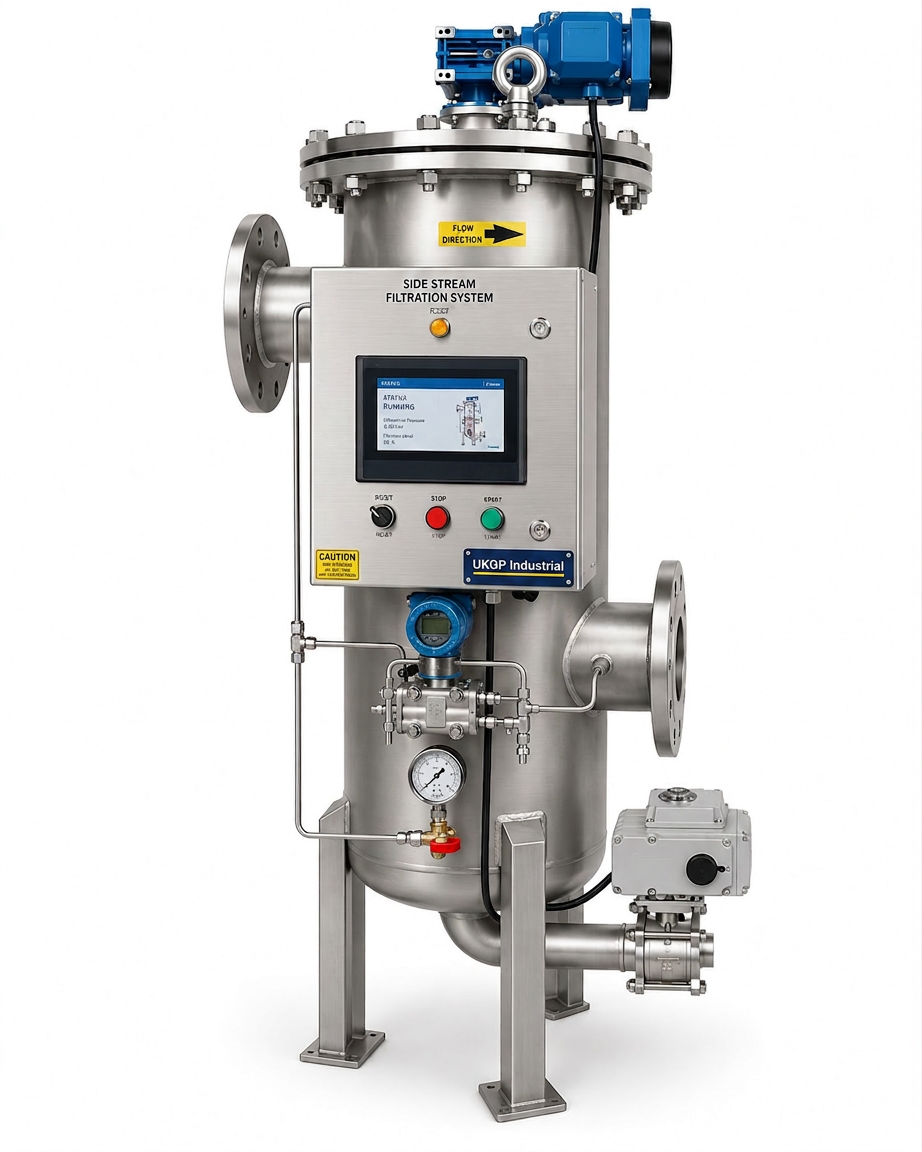
When your closed loop water testing indicates elevated iron levels or high turbidity, immediate mechanical intervention is required alongside chemical correction. Simply adding more inhibitor will not solve the problem if the system is already laden with magnetite sludge. In fact, adding chemicals to a dirty system can often be a waste of resources. This is where side stream filtration becomes an essential asset for the modern plant room. By continuously diverting a portion of the system flow through a high-efficiency filter and magnet unit, you can remove the abrasive particles that the closed loop water testing has identified. This process clears the water, reduces pump wear, and ensures that chemical additives can reach the metal surfaces they are intended to protect.
For UK building services consultants, specifying a secondary filtration loop is the most reliable way to guarantee that water quality remains within BSRIA BG50 limits. UKGP Industrial manufactures side stream filtration skids specifically for this purpose. Our units are made to order in the UK, typically within a 6 to 8 week lead time, and are available in sizes from DN50 to DN100. Priced from £6,800 + VAT, these skids are a cost-effective alternative to frequent system flushes. Each unit comes with a 2-year warranty, providing long-term peace of mind for site owners. When the results of your latest closed loop water testing suggest that suspended solids are trending upwards, installing a dedicated filtration skid is the professional's choice for remediation.
Operational efficiency is directly linked to the clarity of the water. Suspended solids act as catalysts for further corrosion and can scour protective coatings from the pipe IDs. By integrating our side stream filtration solutions, you can achieve the low iron counts and low turbidity required by modern manufacturers. Our skids are designed for easy integration into existing plant rooms, providing a robust solution that works 24/7 to maintain the water quality established during commissioning. Instead of reacting to a 'fail' result in your water report with expensive downtime, a side stream filter acts as a constant safeguard, ensuring that every closed loop water testing result returns a clean bill of health for the facility manager.
- Continuous removal of magnetite and non-magnetic debris from the system.
- Significantly reduces the frequency of manual system flushing and cleaning.
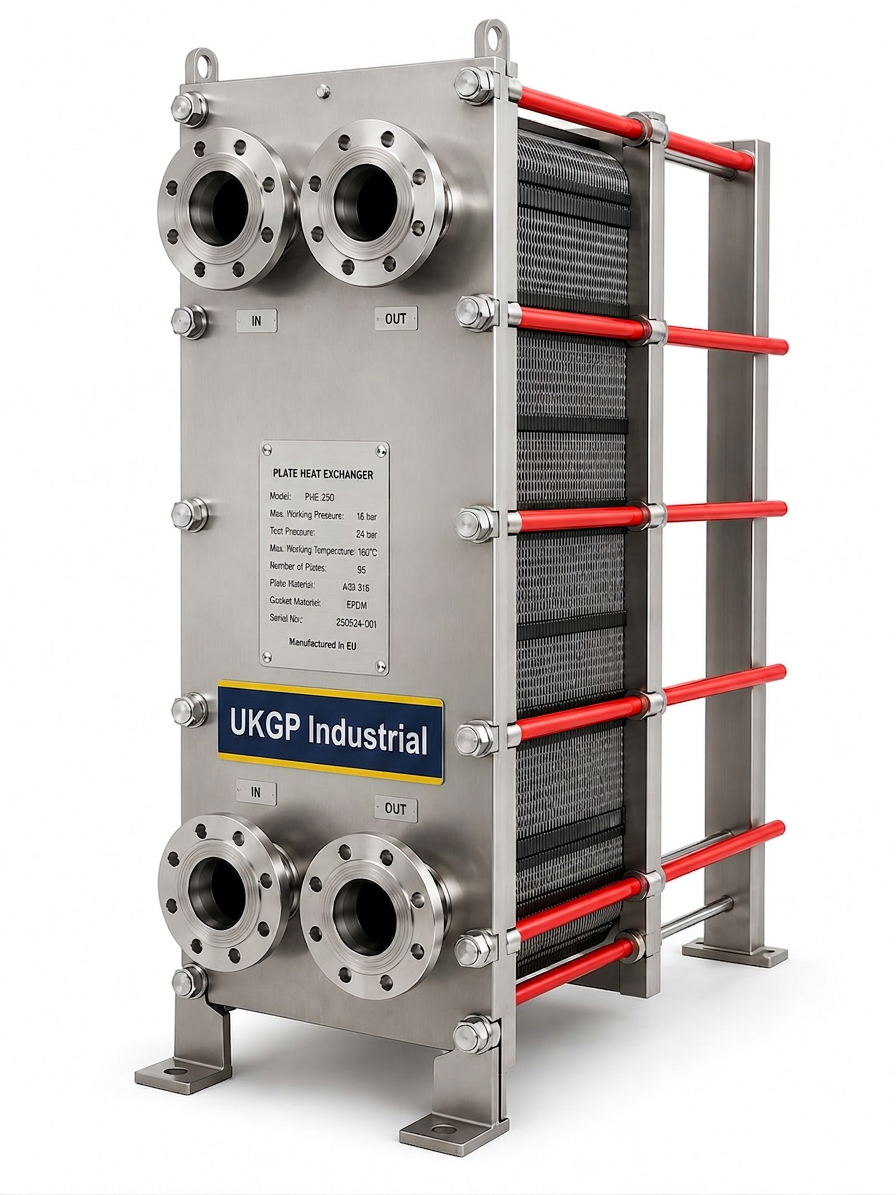
- Protects expensive control valves and plate heat exchangers from blockage.
- Available in DN50 to DN100 sizes to suit various commercial system volumes.
- Manufactured in the UK with a 6 to 8 week lead time and 2-year warranty.
The Impact of Biological Fouling on System Health
Microbiological growth is often the most misunderstood aspect of closed loop water testing. While chemical corrosion is a physical-chemical process, MIC (Microbiologically Influenced Corrosion) is a biological threat that can be far more aggressive. Bacteria like Pseudomonads produce extracellular polymeric substances (EPS), creating a biofilm that acts as a shield against both biocides and corrosion inhibitors. This biofilm creates an anaerobic environment underneath it, allowing Sulphate Reducing Bacteria to thrive and secrete sulphuric acid directly onto the pipe wall. When testing reveals high TVC or specific positive results for SRB, it signifies that a biofilm has established itself within the system, necessitating a targeted disinfection strategy.
Consulting engineers should be wary of systems that show zero bacteria on every test without a biocide program in place; this can sometimes indicate poor sampling technique where the bacteria are attached to the walls rather than the bulk water. However, consistent 'fails' in closed loop water testing for bacteria require a two-pronged approach. First, the physical biofilm must be disrupted, and second, the bacteria must be killed. Side stream filtration helps in this process by removing the nutrient-rich sludge that feeds these colonies. Without addressing the underlying physical cleanliness of the loop, microbial issues will almost certainly recur shortly after a biocide dose, leading to a cycle of expensive chemical treatments and ongoing plant damage.
The risks of MIC are particularly high in chilled water systems and low-temperature heating loops (like underfloor heating) where temperatures are ideal for bacterial proliferation. UKGP recommends that FMs pay close attention to the biological section of their water reports. If you notice a trend of increasing TVC levels over three months, it is a clear warning sign that the current treatment isn't sufficient. Proactive monitoring and the implementation of robust mechanical filtration ensure that the system remains an inhospitable environment for these damaging organisms. Remember that a clean system is not just about the water—it's about the integrity of every valve, pump, and sensor that the water touches.
- Biofilms protect bacteria from biocides, making them difficult to eradicate.
- MIC can cause localized pitting that leads to rapid pipework failure.
- Pseudomonads can increase the viscosity of water, impacting pump performance.
- Regular biocide dosing must be verified through monthly biological testing.
- Systems with high levels of organic debris are at the highest risk for MIC.
Practical Steps: From Test Result to Action
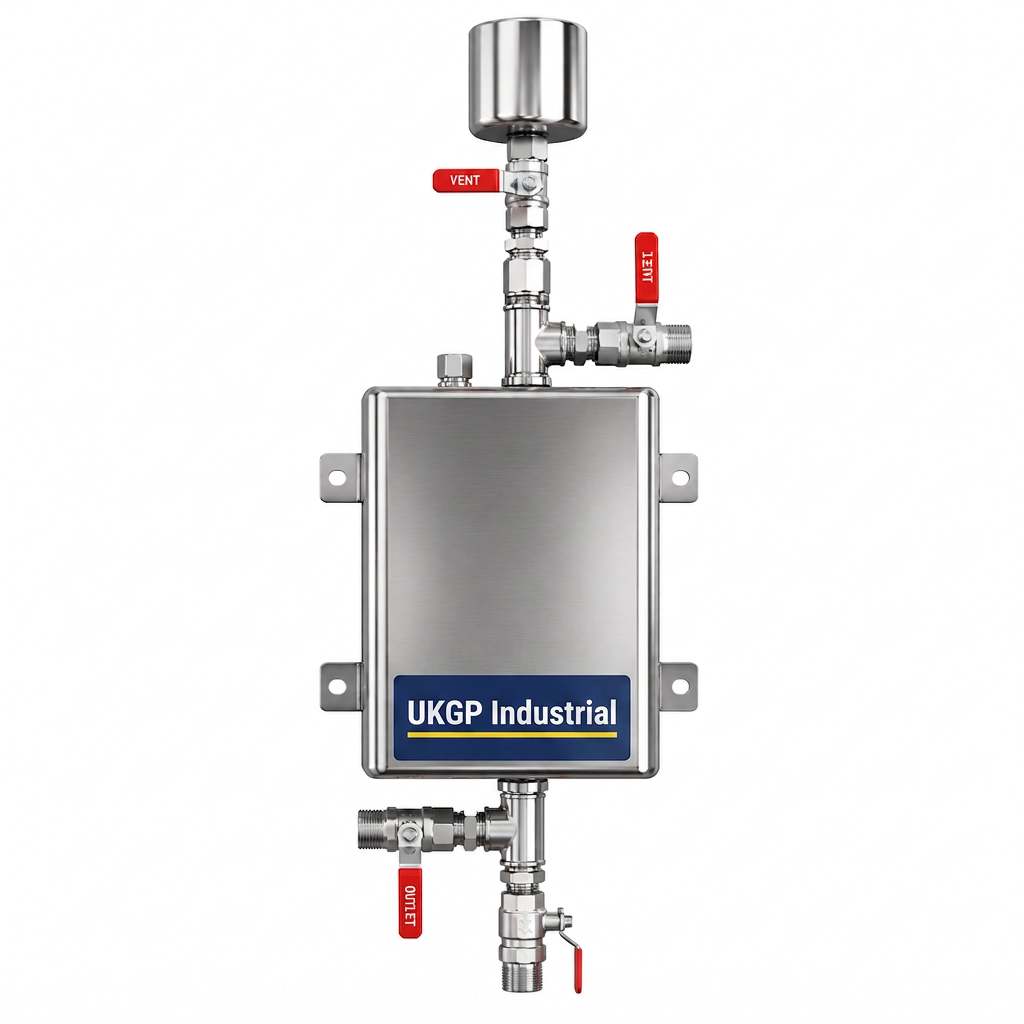
Once the closed loop water testing report lands on your desk, the first step is to compare it against the baseline established during system commissioning. If the pH is low, you must dose an alkaline buffer immediately to prevent acidic corrosion. If the inhibitor levels are low, use a dosing pot to introduce the required concentration of chemical. UKGP dosing pots are designed for this exact purpose, allowing for the safe and controlled introduction of chemicals into a pressurized system. However, if the issue is high suspended solids or iron, you must evaluate your filtration strategy. Many legacy systems lack adequate filtration, leaving them vulnerable even when the chemistry appears to be in balance.
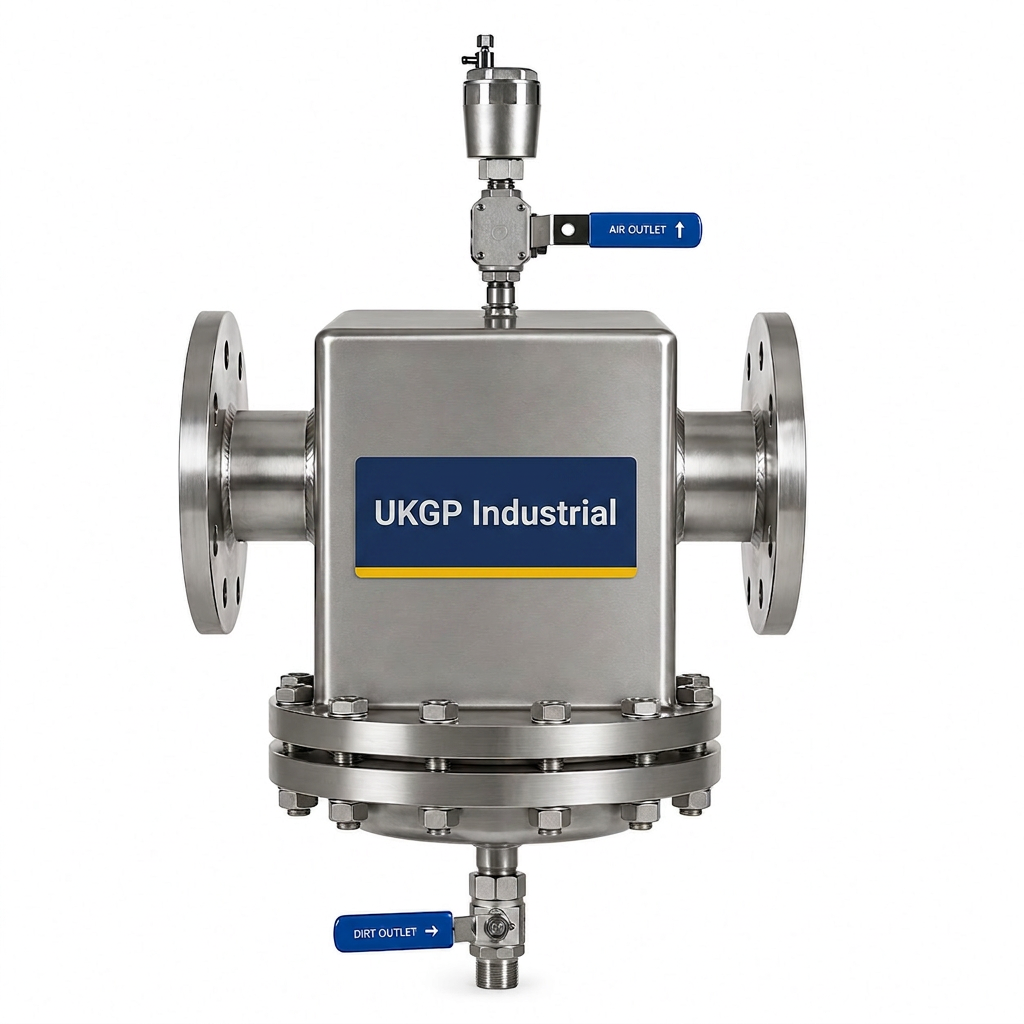
Action should be documented in the site's water treatment logbook, as required by BG50. This creates a clear timeline of events showing how the FM responded to the closed loop water testing data. If you are struggling with recurring issues despite chemical corrections, it may be time to consult with an engineer about hardware upgrades. For example, if your air and dirt separator is undersized or poorly placed, it will not be effective at removing the contaminants identified in your tests. UKGP can provide technical advice on the sizing and placement of filtration and separation equipment to ensure that your remedial actions have the maximum possible impact on system longevity.
Finally, always re-test the system 7 to 14 days after any significant chemical or mechanical intervention. This follow-up closed loop water testing confirms that the actions taken have moved the parameters back into the acceptable range. Continuous loops of testing, acting, and verifying are the only way to manage a complex commercial HVAC system successfully. By partnering with UK-based suppliers like UKGP Industrial, you gain access to the equipment you need—from side stream filtration skids starting at £6,800 + VAT to chemical dosing pots—with the lead times and warranties that modern projects demand. High-quality water is the lifeblood of your building; treat it with the technical respect it deserves.
- Always compare current results against the original commissioning baseline.
- Update the site logbook immediately after any chemical or mechanical changes.
- Use a dosing pot for safe, pressurized chemical introduction.
- Evaluate the effectiveness of current air and dirt separators.
- Perform a validation test two weeks after any remediation work.
Frequently asked questions
How often should I conduct closed loop water testing?
- According to BSRIA BG50, established systems should ideally be tested quarterly, while more complex or problematic systems may require monthly monitoring. During the first year after commissioning, more frequent testing is recommended to ensure stability.
What should I do if iron levels are consistently high?
- High iron levels indicate active corrosion. You should check your inhibitor levels and investigate the possibility of air ingress. Most importantly, you should install a side stream filtration skid to remove existing magnetite and prevent it from damaging the system.
Is a dosing pot necessary for all closed loop systems?
- Yes, a dosing pot is a standard requirement under BSRIA guidelines as it allows for the introduction of corrosion inhibitors and biocides without needing to drain down or depressurize the system.
What is the typical lead time for a UKGP side stream filter?
- Our side stream filtration skids are made to order in the UK with a lead time of 6 to 8 weeks. They are available in sizes from DN50 to DN100 and come with a 2-year warranty for peace of mind.
Can closed loop water testing help detect leaks?
- Yes, if your testing shows a sudden drop in chemical concentration or the presence of high levels of fresh water minerals (increased conductivity), it is a strong indicator of a leak and subsequent makeup water ingress.