Understanding the Role of a Chilled Water Filtration System
In the UK's demanding commercial climate, a chilled water filtration system serves as the primary line of defence against the accumulation of magnetite and non-ferrous debris. Unlike open-loop systems, closed-circuit chilled water networks are prone to internal corrosion if water chemistry is not meticulously managed. When suspended solids are allowed to circulate, they act as an abrasive, gradually eroding pump impellers and settling in low-flow areas of the plant room. This build-up not only reduces the internal diameter of the pipework but also creates a breeding ground for microbiologically influenced corrosion (MIC), which can lead to expensive emergency repairs and unscheduled downtime for facility managers and mechanical contractors.
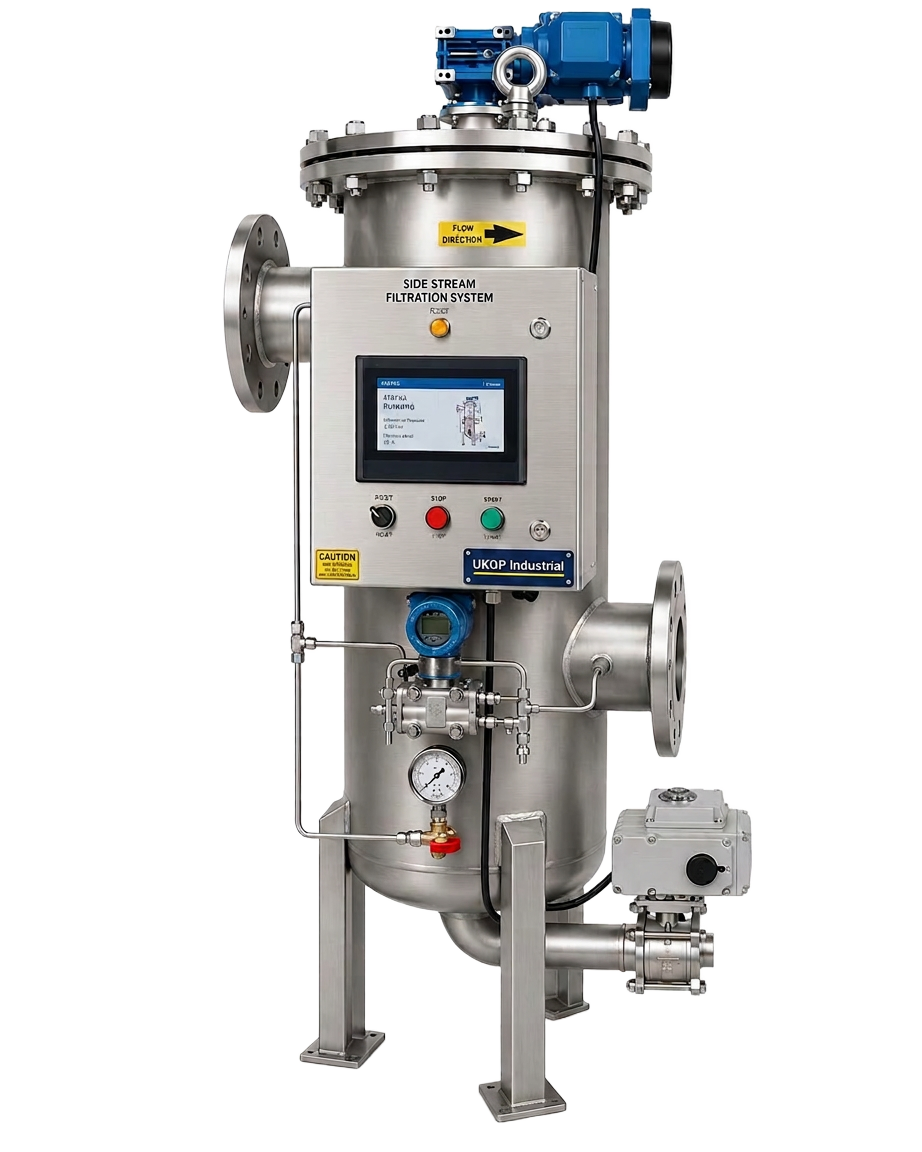
The standard approach for protecting these systems involves side stream filtration, where a portion of the total system volume is continuously diverted through a high-efficiency filter. By installing a robust chilled water filtration system, you are essentially ensuring that the fluid remains within the parameters defined by BS 8552 and BSRIA BG50. This proactive maintenance strategy is far more cost-effective than reactive flushing or acid cleaning. At UKGP, we manufacture bespoke filtration skids designed specifically for the UK market, ensuring that every component from the pump to the pressure gauges meets rigorous industrial standards while providing a clear path to compliance for building services consultants and engineering teams.
When evaluating the commercial viability of these units, it is important to consider the total cost of ownership versus the potential loss of cooling capacity. A high-quality chilled water filtration system prevents the scaling of heat transfer surfaces, which otherwise forces chillers to work harder and consume more electricity. Our UKGP side stream filtration units, starting from £6,800+VAT, provide a rapid return on investment by preserving energy efficiency and extending the life of critical assets. These units are made to order in approximately 6-8 weeks, featuring a comprehensive 2-year warranty to give procurement leads and asset owners total peace of mind during the handover process and throughout the operational lifecycle.
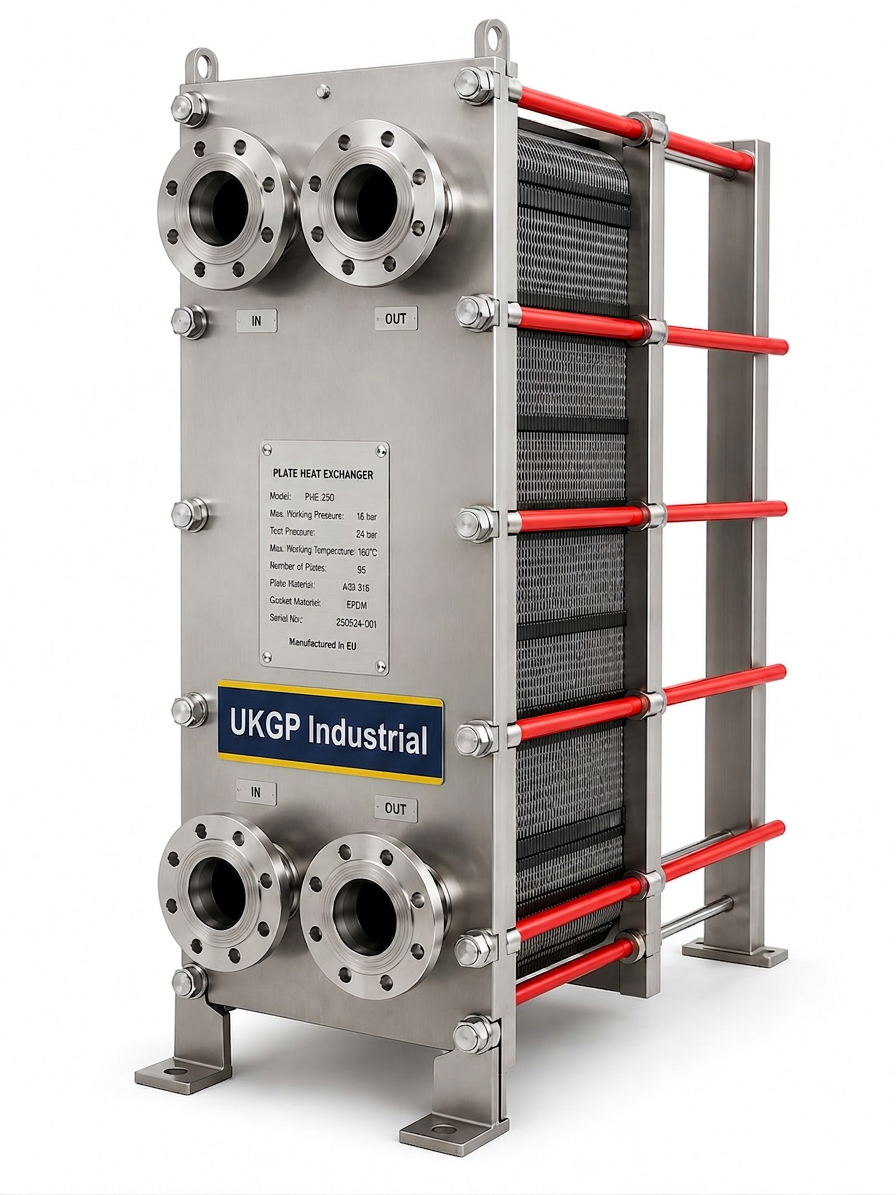
- Protects sensitive plate heat exchangers from fouling
- Reduces the risk of microbiologically influenced corrosion
- Ensures compliance with BSRIA BG50 and BG29 standards
- Lowers annual energy consumption by maintaining heat transfer
Sizing Calculations for Chilled Water Filtration System Performance
Accurate sizing is the cornerstone of a successful chilled water filtration system specification. The industry rule of thumb, supported by CIBSE guidelines, suggests that the filtration rate should be between 5% and 15% of the total system circulating volume per hour. For instance, a system with a total volume of 50,000 litres would require a filtration skid capable of processing at least 2,500 to 7,500 litres per hour. Undersizing a unit will result in insufficient debris removal, allowing fine particles to remain in suspension, while oversizing can lead to unnecessary capital expenditure and higher operational energy costs. It is vital to find the 'sweet spot' that balances hydraulic performance with the specific contamination profile of the building's pipework.
In addition to the total volume, engineers must account for the physical footprint and the available pressure drop across the skid. A chilled water filtration system must be integrated without disrupting the primary pump's flow requirements. Most modern skids utilise a dedicated booster pump to maintain a constant flow through the filter media regardless of system pressure fluctuations. When specifying for UK projects, ensure the skid is compatible with common pipe diameters such as DN50 to DN100. At UKGP, we provide technical data sheets that detail the specific flow rates and power requirements for our made-to-order units, allowing consultants to integrate our drawings into their plant room layouts with total confidence during the design phase.
Furthermore, the choice of filter media—whether bag, cartridge, or centrifugal—depends on the micron rating required. While BSRIA BG50 suggests removing particles down to 5 microns for optimal protection, a chilled water filtration system in a retrofitted building might start with a 50-micron bag to capture larger construction debris before moving to finer filtration. Our team at UKGP can advise on the best staged approach for your site conditions. By requesting a quote for a bespoke side stream filtration skid, you ensure that the sizing is tailored to your specific system volume and contaminant load, avoiding the pitfalls of generic 'one-size-fits-all' solutions that often underperform in high-demand industrial or commercial applications.
- Determine total system volume in litres for accurate turnover
- Match skid flow rates to 5-15% of total system volume per hour
- Account for micron rating requirements based on water glass analysis
- Review DN50 to DN100 pipework compatibility for seamless installation
Integrating Air and Dirt Separators for Maximum Protection
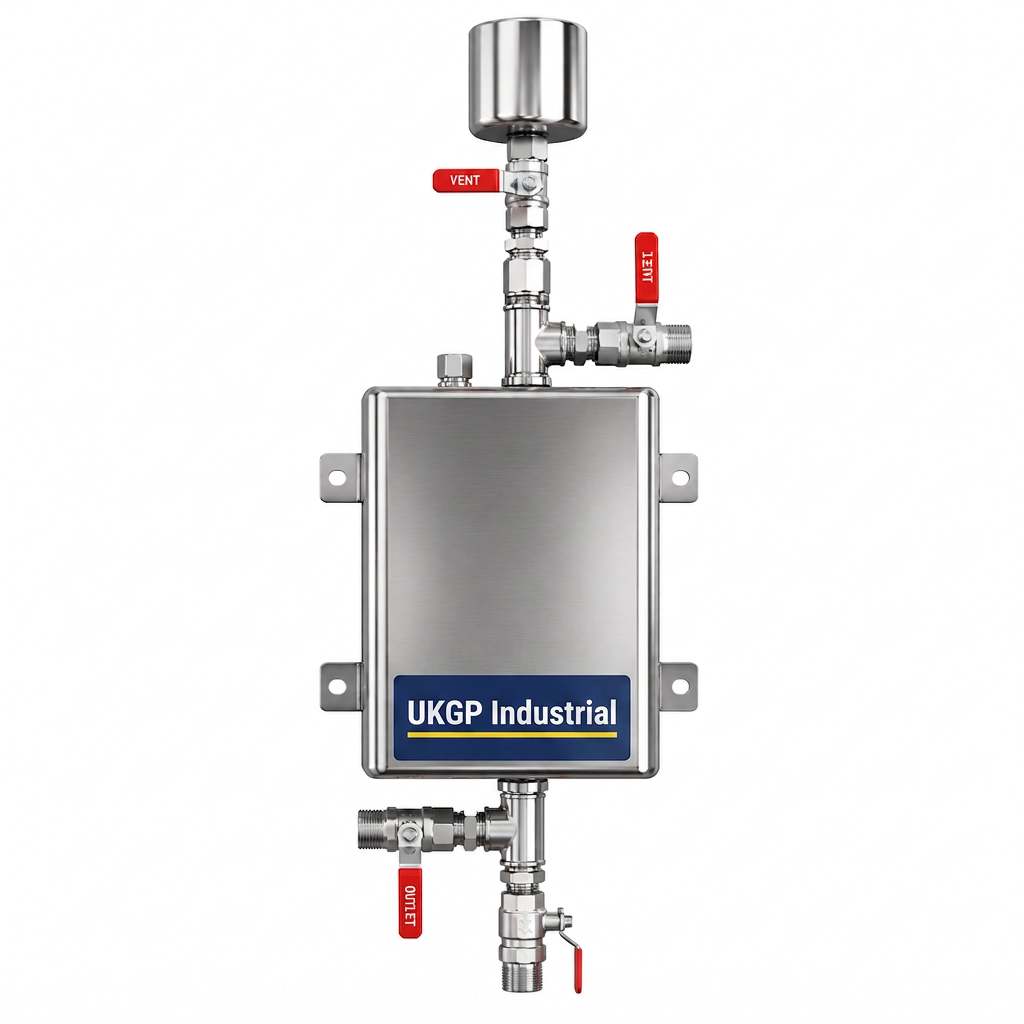
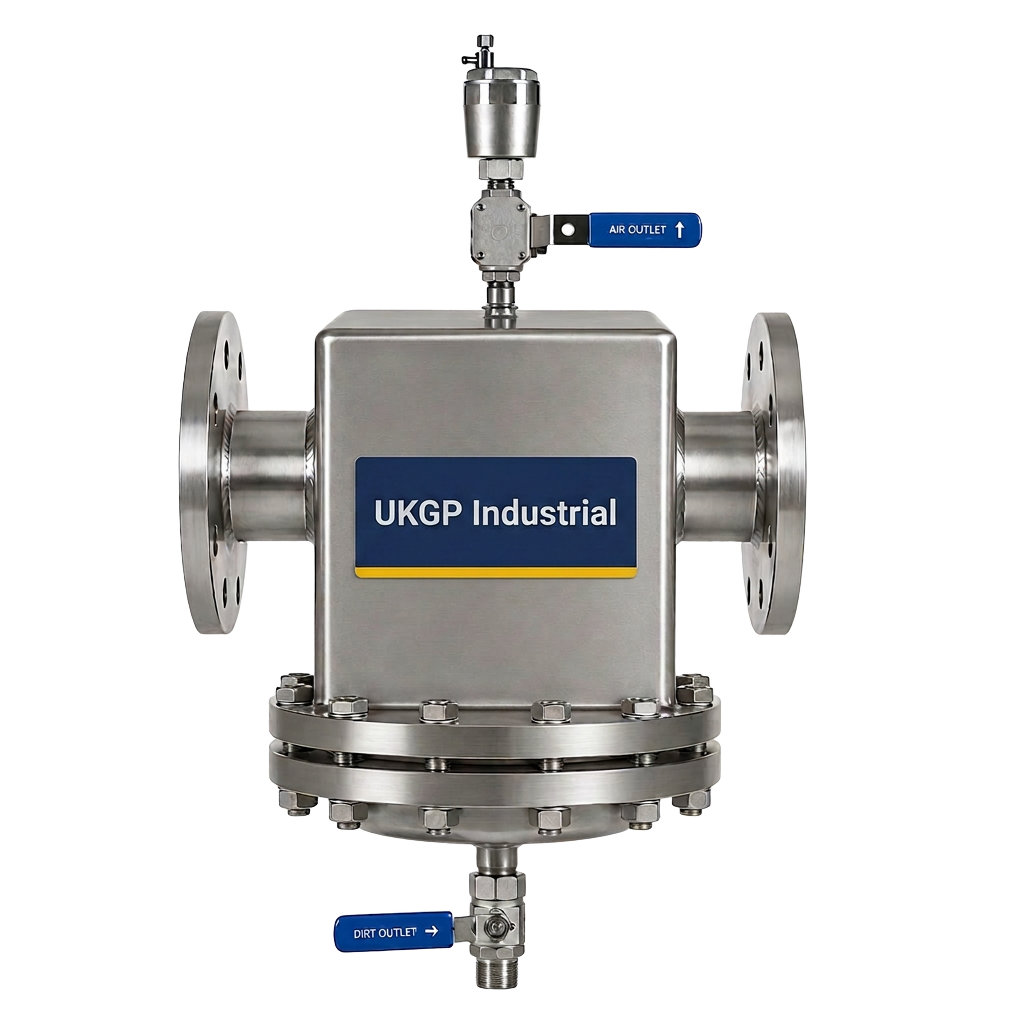
While a side stream chilled water filtration system is excellent at removing suspended solids, it works most effectively when paired with high-quality air and dirt separators. Air bubbles in a chilled water network lead to noise, cavitation in pumps, and accelerated oxidation of steel components. By installing a microbubble deaerator at the point of lowest solubility—typically the warmest point of the chilled water return or the suction side of the pumps—you can remove dissolved gases that a filter alone cannot touch. This dual-action approach ensures that the chilled water remains 'dead' (oxygen-depleted), which is the ideal state for preventing the chemical reactions that create the sludge and magnetite your filtration system is designed to catch.
Combining these technologies allows for a holistic water quality management strategy. The air and dirt separator handles the bulk of the larger particles and gases at the main flow, while the chilled water filtration system provides the high-precision polishing required to remove the sub-micron particles that cause control valve sticking and heat exchanger fouling. This synergy is particularly important in large-scale UK district cooling schemes or multi-storey commercial developments where the volume of water makes manual chemical dosing and flushing impractical. UKGP offers a range of high-efficiency separators that complement our filtration skids, providing a complete solution for M&E contractors who need to meet strict BSRIA BG29 pre-commissioning cleaning requirements.
From a procurement perspective, sourcing both your air & dirt separators and your chilled water filtration system from a single UK manufacturer like UKGP simplifies the supply chain. Our separators are built to survive the rigours of a British plant room, featuring robust construction and easy maintenance access. When you invest in our filtration technology, you are also gaining access to expert technical support and a 2-year warranty that covers the entire assembly. For contractors working to tight deadlines, our 6-8 week lead time for made-to-order equipment ensures that project milestones are met without compromising on the quality or efficiency of the cooling system's protective measures.
- Eliminate microbubbles and entrained air to prevent cavitation
- Reduce initial dirt load for the side stream filter to process
- Maintain low oxygen levels to inhibit corrosion and sludge
- Sourced as a package for simplified site procurement and warranty
Compliance with BSRIA BG50 and Water Quality Standards
Adherence to BSRIA BG50 'Water Treatment for Closed Heating and Cooling Systems' is non-negotiable for modern building management. This guide provides the framework for maintaining water quality through the installation of a chilled water filtration system. It emphasises the importance of monitoring iron levels, copper, and total suspended solids to prevent the degradation of the system's thermal performance. By incorporating a side stream filter that meets these UK-specific technical standards, designers ensure that they are following the best practice endorsed by CIBSE and BSRIA. This is critical for avoiding disputes during the commissioning and handover phases, where water quality test results must meet specific thresholds before the system is accepted.
A chilled water filtration system must be more than just a filter; it must be a manageable piece of plant. BSRIA guidelines suggest that filtration units should be equipped with differential pressure gauges and sampling points to allow for easy monitoring. If the pressure drop across the filter increases, it indicates that the media is successfully capturing debris and requires cleaning or replacement. At UKGP, our skids are designed with these practicalities in mind. We include clear visual indicators and easy-access ports to ensure that maintenance teams can carry out their duties safely and efficiently. This focus on usability ensures that the chilled water filtration system remains operational long after the initial installers have left the site.
In addition to filtration, BS 8552 provides the code of practice for sampling and monitoring of water from building services systems. Your chilled water filtration system should facilitate this by allowing for representative samples to be taken under flow conditions. Regular testing, combined with the continuous action of a UKGP filtration skid, allows for a data-driven approach to water treatment. Instead of blindly adding chemicals, facility managers can see the tangible results of their filtration strategy. With prices from £6,800+VAT, our units are an investment in compliance, protecting the M&E contractor from liability and the end-user from the high costs of system failure and energy wastage.
- Follows the BSRIA BG50 framework for closed-loop protection
- Facilitates BS 8552 compliant water sampling and analysis
- Includes visual DP gauges for easy maintenance monitoring
- Protects contractors from liability during the handover phase
Installation and Commissioning of Filtration Skids
The installation of a chilled water filtration system should ideally occur in the bypass loop across the main flow and return headers. This configuration allows for the filtration unit to be serviced or isolated without interrupting the primary cooling flow to the building. Correct positioning is essential; the intake for the filter should be taken from a point of high turbulence or flow to ensure a representative sample of the system's debris is captured. During the commissioning phase, it is vital to ensure that the booster pump is correctly set to the design flow rate and that all air is purged from the filter housing to prevent air locks that could damage the pump or reduce filtration efficiency.
Mechanical contractors must also ensure that the chilled water filtration system is integrated into the Building Management System (BMS) where required. UKGP skids can be equipped with volt-free contacts to signal a high-pressure drop or pump failure, allowing the facilities team to react before water quality degrades. Because our units are made to order, we can accommodate specific electrical or hydraulic requirements to match the site's infrastructure. Whether you are dealing with a DN50 or DN100 pipework arrangement, our 6-8 week lead time allows for the planning of the installation during the early stages of a project, ensuring the skid is on-site exactly when needed for the final pipework connections.
Proper commissioning also involves the initial 'blanket' cleaning phase where the chilled water filtration system may require frequent bag changes as it removes the last of the construction debris. This is a normal part of the post-cleaning process defined by BSRIA BG29. Once the system has reached a steady state, the maintenance intervals will lengthen. Purchasing a UKGP unit means you receive a robust piece of equipment with a 2-year warranty, designed to withstand the rigours of this initial heavy-duty phase. To get a detailed specification and pricing for your next project, contact our Surrey-based technical team for a quote on a standard or custom side stream filtration solution designed for the UK's commercial HVAC market.
- Install in a bypass loop for non-disruptive maintenance
- Integrate with BMS for remote monitoring and alarm signalling
- Factor in initial high-frequency filter changes post-BG29 cleaning
- Ensure skid alignment with DN50 to DN100 system headers
The Commercial Case for Quality Filtration Equipment
Investing in a high-quality chilled water filtration system is a matter of long-term asset management. The cost of a UKGP side stream filtration skid—starting from £6,800+VAT—is often a fraction of the cost associated with replacing a single high-capacity chilled water pump or a fouled plate heat exchanger. Furthermore, the energy savings achieved by maintaining clean heat transfer surfaces can often pay for the unit within the first 18-24 months of operation. In the current economic climate, where energy costs are a major concern for UK businesses, the efficiency gains provided by effective filtration are a compelling selling point for consultants presenting solutions to their clients.
Beyond energy, the reduction in chemical consumption is a significant benefit. A cleaner system requires fewer inhibitor top-ups and less aggressive biocide treatments, as there is less 'sludge' for bacteria to hide in. This makes your chilled water filtration system an environmentally responsible choice as well as a commercially sound one. UKGP's commitment to quality as a UK manufacturer means we use only the most reliable components, ensuring that our made-to-order skids provide years of trouble-free service. With a 2-year warranty and a dedicated support team based in Surrey, we offer a level of security that imported, generic alternatives simply cannot match for the UK building services sector.
For procurement leads and site engineers, the reliability of the supply chain is paramount. Our 6-8 week lead time is managed carefully to ensure that your chilled water filtration system arrives on-site when the plant room is ready for fit-out. By choosing a manufacturer that understands the nuances of UK standards like BSRIA BG50, you reduce the risk of non-compliance and site delays. Whether you need a standard DN50 unit or a complex DN100 multi-stage filtration skid, UKGP provides the expertise and the hardware to keep your cooling systems running at peak performance. Contact us today to discuss your sizing requirements and request a technical quote for your upcoming project.
- Direct energy savings through improved heat transfer efficiency
- Reduced chemical usage and better environmental footprint
- Lowers the total cost of ownership for HVAC infrastructure
- Sourced from a UK manufacturer with reliable 6-8 week lead times
Frequently asked questions
What is the recommended flow rate for a chilled water filtration system?
- Per BSRIA BG50 guidelines, a chilled water filtration system should typically process between 5% and 15% of the total system volume every hour to effectively manage suspended solids and maintain water quality.
How does a chilled water filtration system improve energy efficiency?
- By removing magnetite and debris, the system prevents fouling on heat exchanger surfaces. This ensures optimal thermal transfer, meaning chillers do not have to work harder to overcome the insulating effect of sludge, thereby reducing energy consumption.
What is the lead time for a UKGP side stream filtration skid?
- Our filtration skids are made to order in our UK facility with a typical lead time of 6-8 weeks, ensuring you receive a unit tailored to your specific DN pipework and flow requirements.
Does a chilled water filtration system come with a warranty?
- Yes, all UKGP side stream filtration skids come with a comprehensive 2-year warranty, reflecting our confidence in the build quality and industrial-grade components we use.
How much does a commercial chilled water filtration system cost?
- Prices for our bespoke side stream filtration skids start from approximately £6,800 +VAT, depending on the required micron rating, flow rate, and pipe size (typically DN50 to DN100).