Defining the Chemical Dosing Pot
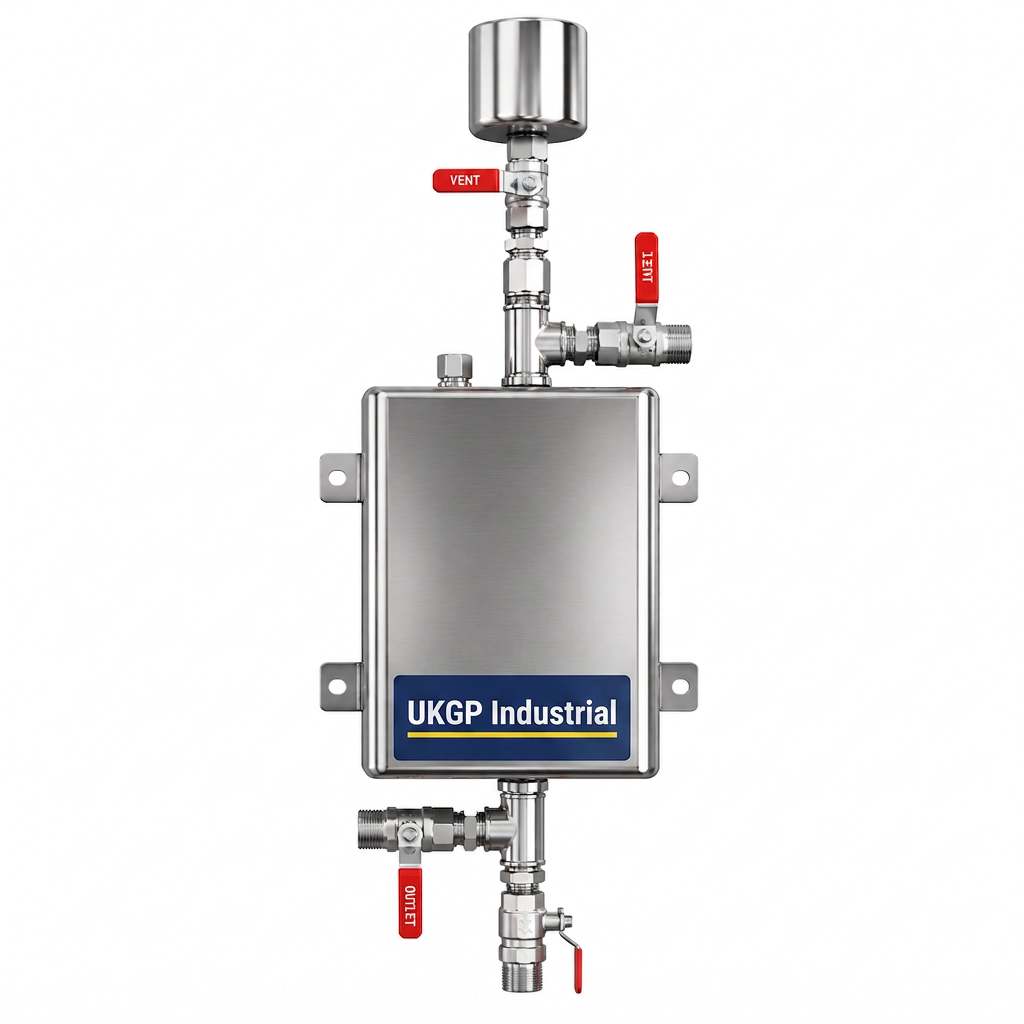
In the UK market, the 'chemical dosing pot' is the standard nomenclature for a stainless steel or carbon steel pressure vessel designed to introduce liquid chemicals into a sealed circulating system. Unlike automated dosing pumps, which provide a constant, metered flow, the dosing pot is designed for 'shot' or 'slug' dosing. This is particularly relevant during the initial commissioning phase or during periodic maintenance when system water analysis indicates a depletion of corrosion inhibitors.
The design typically features five ports: inlet, outlet, drain, filling, and air vent. For British building services, these units are manufactured to comply with the Pressure Equipment Directive (PED) 2014/68/EU. Their simplicity is their strength; they require no electrical power and have no moving internal parts that are prone to mechanical failure, making them a robust fixture in commercial plant rooms.
- Manual operation requiring physical intervention for every dose.
- High-pressure construction, typically rated to 10 or 14 bar minimum.
- Utilisation of differential pressure (ΔP) to draw chemicals into the primary flow.
- Mandatory inclusion of safety features such as non-return valves and air vents.
Shot Feeder Characteristics and Nomenclature
The term 'shot feeder' is more prevalent in industrial process engineering and North American markets, though it frequently appears in UK specifications for heavy-duty applications. Technically, a shot feeder performs the identical task of a dosing pot: it acts as a bypass feeder where a portion of the system flow is diverted through the vessel to pick up a concentrated chemical 'shot'.
When comparing the two, engineers must focus on the vessel rating rather than the name. In industrial steam or high-temperature hot water (HTHW) systems, a 'shot feeder' may refer to a unit with a significantly higher wall thickness and specialised flange ratings (e.g., PN25 or PN40). However, for standard LTHW (Low Temperature Hot Water) and CHW (Chilled Water) systems in the UK, the requirements align with the capabilities of a standard UKGP Industrial chemical dosing pot.
- Vessel material: Stainless steel is preferred for longevity and resistance to concentrated chemicals.
- Working pressure: Must exceed the system's maximum operating pressure (including pump head).
- Valve quality: High-integrity isolation valves are required to prevent bypass leakage during normal operation.
BSRIA BG50 and Water Treatment Standards
BSRIA BG50 'Water Treatment for Closed Heating and Cooling Systems' is the definitive guidance for UK facilities managers and engineers. It highlights that the mere presence of a dosing pot is insufficient; the methodology of its use dictates the system's lifespan. BG50 emphasises that chemical levels must be maintained within strictly defined parameters to prevent corrosion, scale, and microbiological growth.
A dosing pot is the primary tool for achieving these parameters. It allow FM teams to respond rapidly to 'out of spec' water test results. For instance, if an LTHW system shows a drop in tannin or molybdate levels, the dosing pot allows for an immediate correction without the need for specialist pumping equipment. The manual nature of the pot also encourages regular plant room inspections, ensuring that water treatment remains a proactive rather than reactive task.
- Selection of the correct inhibitor (Molybdate or Nitrite-based) for the metallurgy present.
- Regular monitoring of iron and copper levels through independent lab analysis.
- The importance of pre-commissioning cleaning (BSRIA BG29/21) before the first dose.
- Maintaining biocide levels in chilled water systems to prevent biofilm formation.
Installation Best Practices for Efficiency
The effectiveness of a dosing pot or shot feeder is dependent on the differential pressure across its connections. To ensure the chemical is fully flushed into the system, there must be a sufficient pressure drop between the inlet and outlet of the pot. In modern variable-speed pumping systems, engineers must ensure that even at minimum flow, there is enough ΔP to evacuate the dosing vessel within a reasonable timeframe.
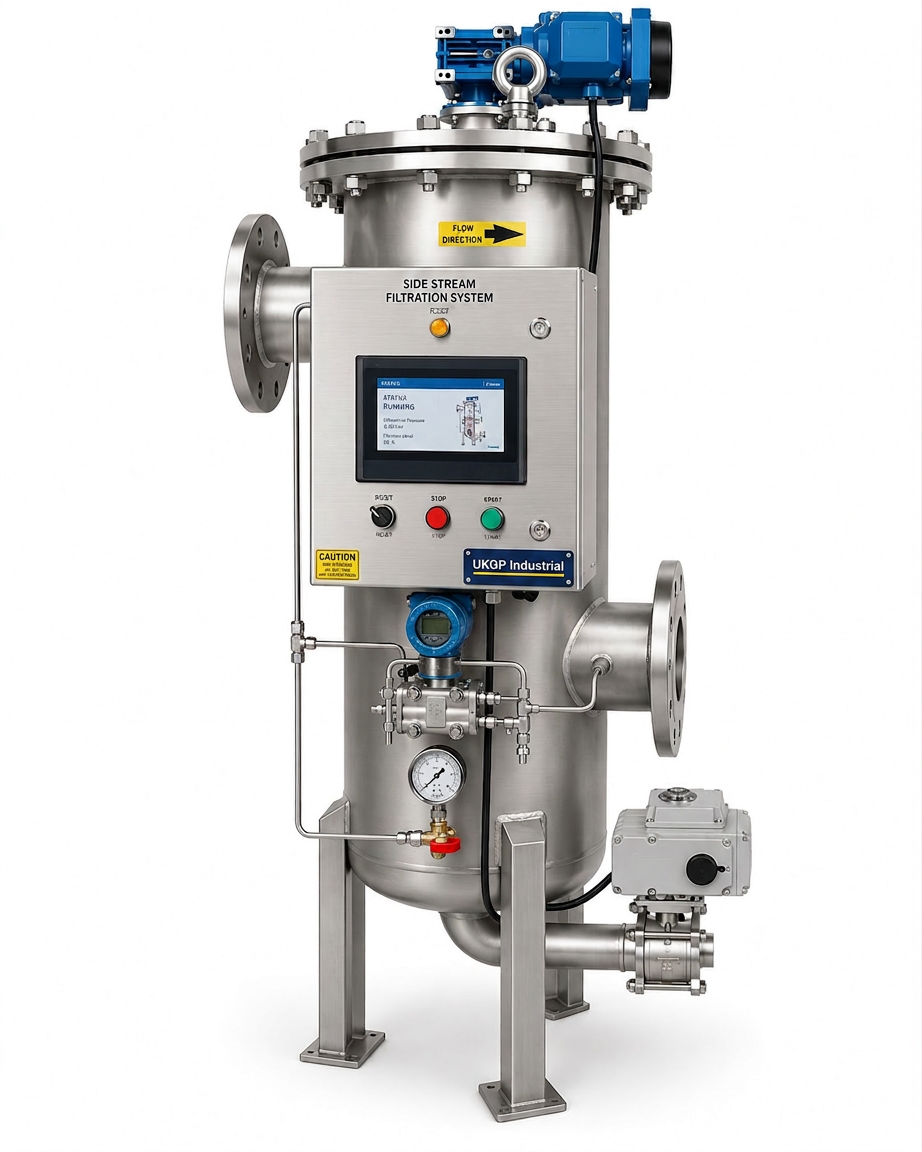
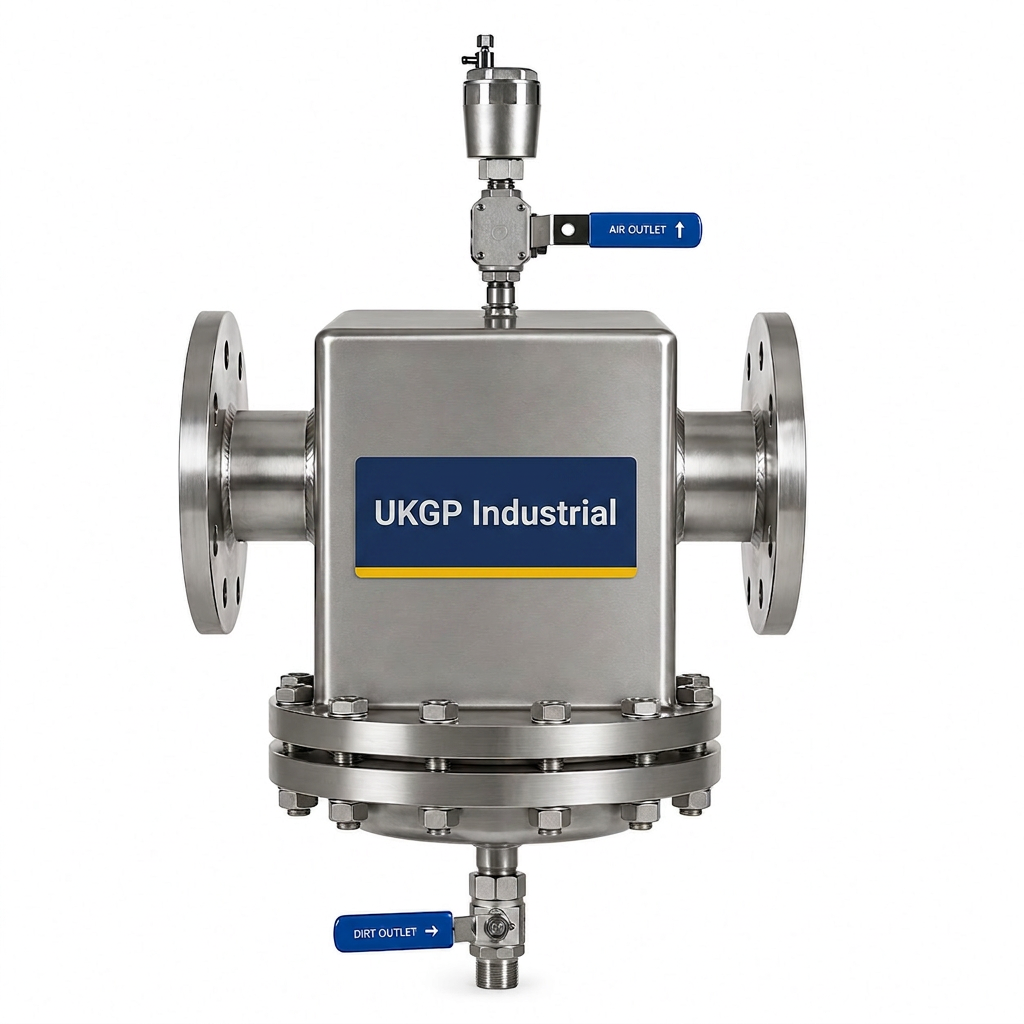
Furthermore, the integration of side-stream filtration alongside dosing pots is increasingly considered standard practice. While the dosing pot manages the chemical balance, a side-stream filter (using magnetics or fine mesh) handles the physical debris—such as magnetite—that inhibitors help to loosen. Installing these components in tandem provides a comprehensive water quality management solution that complies with the spirit of BSRIA BG50.
- Positioning: Install on a bypass across the main flow and return, or across the pump's suction and discharge.
- Flow direction: Ensure the 'inlet' from the high-pressure side connects to the top of the pot to facilitate mixing.
- Venting: Always include an air vent to prevent air ingress into the system, which could trigger oxidative corrosion.
Selecting the Right Equipment for the System
When choosing between a standard dosing pot and a heavy-duty shot feeder, the decision should be driven by the system volume and the chemical concentration required. For large systems, such as a 50,000-litre chilled water circuit, a 25-litre dosing pot may require multiple 'charges' to reach the target inhibitor concentration. In such cases, sizing the pot correctly to minimize the number of fill-and-drain cycles is a matter of operational efficiency.
Finally, material compatibility is paramount. Stainless steel vessels are the industry benchmark, offering immunity to the corrosive nature of concentrated biocides and glycol. When specifying for a UK project, ensure the unit is supplied as a complete kit, including the tundish, valves, and non-return valves, to ensure the installation meets the Water Supply (Water Fittings) Regulations 1999 to prevent backflow contamination.
- Ease of use: Manual filling is straightforward and requires minimal training.
- Safety: Properly rated vessels prevent the spray of concentrated chemicals common with manual pouring.
- Cost: Lower CAPEX compared to automated chemical skids.
- Reliability: Zero maintenance requirements beyond checking valve seals.
Frequently asked questions
How do I size a dosing pot for a commercial heating circuit?
- Minimum sizing is typically calculated based on 1% of the total system volume per charge, though site-specific requirements for initial inhibitor dosing or glycol mixtures may dictate a larger vessel. Standards pots range from 3.5 to 25 litres.
Is there a physical difference between a shot feeder and a dosing pot?
- While common in some global regions, 'hot feeder' or 'shot feeder' are less common in UK specifications than 'dosing pot'. They perform the same function, but UK engineers must ensure the specific unit meets PD5500 or relevant Pressure Equipment Directive (PED) standards.
Where is the optimal location for a dosing pot in a plant room?
- Installations should be on the return pipework, ideally in parallel with a main circulating pump to utilise the differential pressure for flow. Isolation valves must be high-quality globe or gate valves capable of withstanding system pressures.
Can dosing pots be used for biocide treatment in chilled water systems?
- Yes. In low-temperature systems (CHW), biocides are critical. A dosing pot allows for 'slug' or 'shot' dosing of biocides to combat MIC (Microbiologically Influenced Corrosion) as outlined in BSRIA BG50.