The Necessity of Chemical Cleaning of Heat Exchanger Units
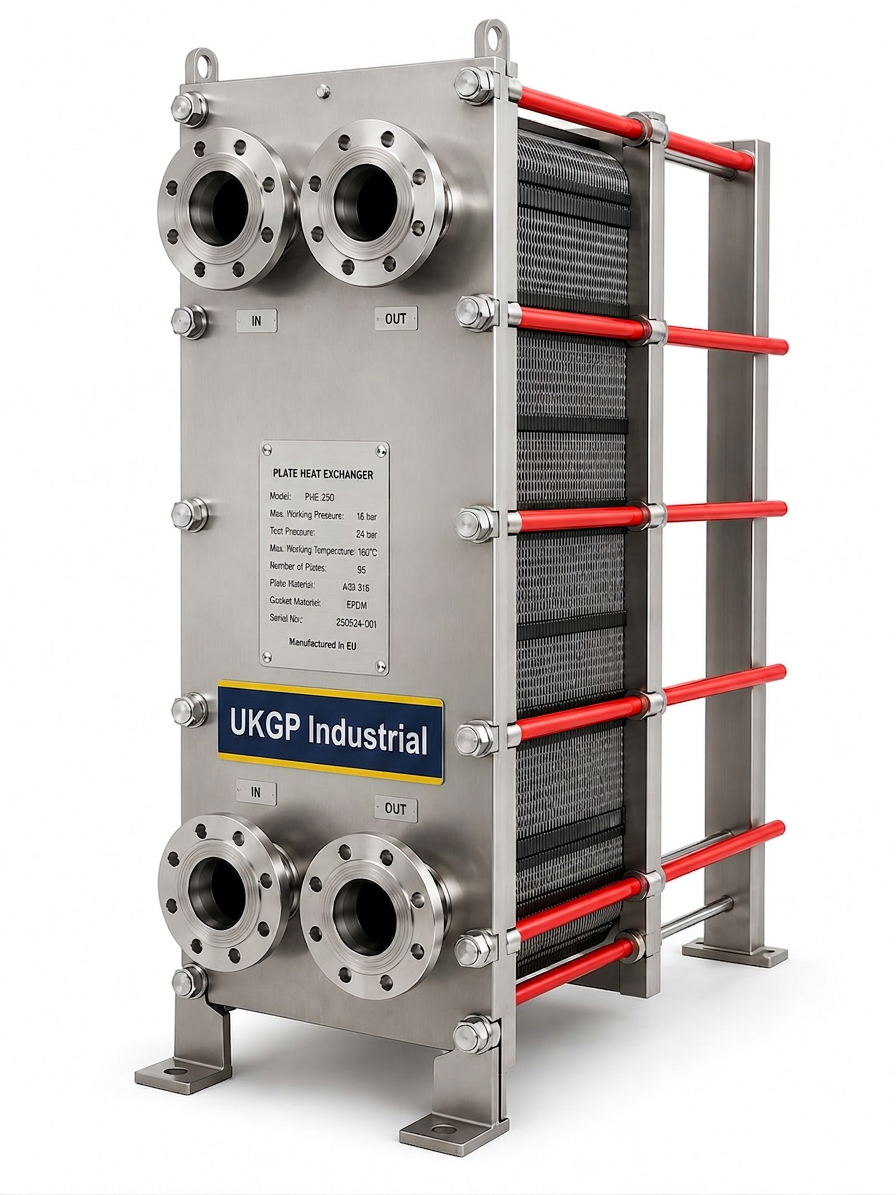
In modern UK commercial heating and cooling systems, the plate heat exchanger (PHE) is a critical component for energy transfer. Over time, calcium carbonate deposits, magnetite, and biological biofilms can accumulate on the internal plates. This accumulation reduces the heat transfer coefficient, leading to a noticeable drop in efficiency and higher energy bills. Chemical cleaning of heat exchanger surfaces is the most effective way to restore design performance without the intensive labour of a full teardown. Following BSRIA BG50 guidelines is vital for facilities managers to ensure that water quality remains within the required parameters and that the system's longevity is protected against the deleterious effects of internal corrosion and mineral scaling.
Choosing to ignore the signs of fouling often leads to a total system failure or costly emergency repairs. For UK facility managers, a proactive approach to the chemical cleaning of heat exchanger equipment is a strategic financial decision. By integrating a regular cleaning cycle, you can ensure that the approach temperatures remain within the design specification, typically around 5°C. At UKGP, we see many instances where poor water treatment leading up to the PHE causes rapid degradation. This is why we advocate for high-quality filtration and dosing solutions alongside periodic chemical cleans to maintain the integrity of the heat transfer surfaces and avoid the significant downtime associated with blocked plate packs.
The process of chemical cleaning must be handled with precision to avoid damaging the gaskets and the metal plates themselves, which are often 316 stainless steel or titanium. Using the wrong concentration of acid or an incompatible cleaning agent can lead to pinhole leaks, which necessitates a full plate replacement. When planning your maintenance window, consider that a professional chemical cleaning of heat exchanger units generally takes a full day to perform safely and effectively. This involves the use of specialised CIP (Clean-in-Place) pumps and neutralising agents to ensure that the effluent discharged from the system is compliant with local UK water authority regulations and environmental standards.
- Increases heat transfer efficiency for lower CIBSE-compliant energy use.
- Reduces strain on primary plant such as boilers and chillers.
- Prevents the development of localised 'hot spots' on metallic plates.
- Ensures compliance with BSRIA BG50 water quality maintenance regimes.
Preparation and Safety Protocols for Liquid Cleaning
Before commencing the chemical cleaning of heat exchanger equipment, a thorough risk assessment and COSHH (Control of Substances Hazardous to Health) evaluation are mandatory. Engineers must wear appropriate personal protective equipment, including acid-resistant gloves, face shields, and aprons. The system must be hydraulically isolated from the rest of the building services network to prevent the cleaning chemicals from migrating into the secondary pipework or the wider chilled water circuit. This isolation is usually achieved through high-quality butterfly or ball valves. It is also important to ensure that the CIP pump used for the circulation is compatible with the chemicals being introduced to avoid pump seal failure during the procedure.
Calibration of the water chemistry is the next vital step. In the UK, water hardness varies significantly by region, with London and the South East typically suffering from more severe lime-scale issues compared to softer water areas in the North. This regional variance dictates the type of de-scaling agent required. Whether using phosphoric, citric, or sulphamic acid, the concentration must be carefully monitored. During the chemical cleaning of heat exchanger plates, the temperature of the cleaning solution should ideally be maintained between 40°C and 50°C to accelerate the chemical reaction without risking the integrity of the EPDM or Nitrile gaskets. Exceeding these temperatures can lead to gasket deformation and subsequent leaks.
Once the setup is verified, the circulation of the cleaning solution should be configured in a counter-current flow pattern relative to the normal operating direction. This mechanical action helps to dislodge stubborn debris that has become lodged in the 'herringbone' pattern of the plates. Professionals must remain on-site throughout the chemical cleaning of heat exchanger process to monitor pH levels and pressure drops across the PHE. A sudden drop in pressure usually indicates that the blockages are clearing, allowing for a higher flow rate. Careful monitoring prevents the cleaning solution from becoming 'spent' or saturated with calcium, which would render the remaining circulation time ineffective.
- Strict adherence to COSHH for all cleaning and neutralising agents.
- Verification of gasket material compatibility (EPDM vs Nitrile).
- Counter-current flow setup for maximum mechanical turbulence.
- Hydraulic isolation check to protect secondary system components.
Step-by-Step Procedure for a Successful Clean
The first step in the physical chemical cleaning of heat exchanger units is the initial flush. Using clean mains water, the system should be flushed to remove any loose debris or sludge. Once the flush water runs clear, the CIP loop can be established. Connect the hoses to the dedicated cleaning ports on the PHE frame. Begin the circulation of the acidic descaler slowly, checking for any signs of leaks at the gaskets. The duration of this phase is typically 2 to 4 hours, depending on the severity of the fouling. The pH should be tested every 30 minutes; if the pH rises significantly, it indicates the acid is being neutralised by the scale, and additional cleaning chemicals may be required.
After the circulation is complete, the chemical cleaning of heat exchanger process enters the neutralisation phase. This is arguably the most critical step for the longevity of the unit. The acidic solution must be drained safely, and the unit must be filled with a neutralising alkaline solution to stop any further corrosive action on the stainless steel plates. Failure to neutralise can lead to accelerated pitting corrosion, which is a common cause of premature plate failure in UK industrial applications. After neutralisation, a final thorough flush with demineralised or clean mains water is performed until the pH of the effluent matches the pH of the incoming water source.
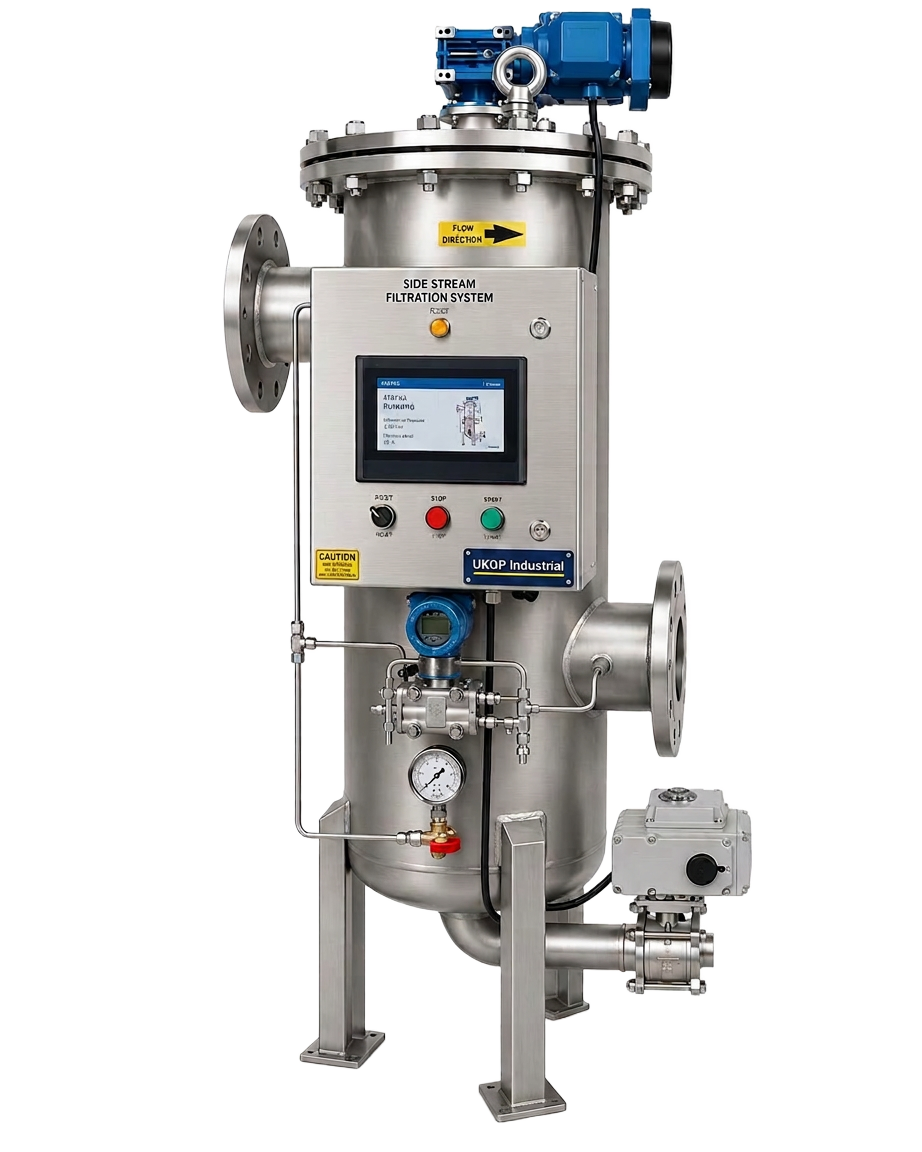
Finally, the unit must be reintegrated into the system. High-quality side stream filtration is recommended to be in place before restarting the flow to capture any residual particulates that might have been loosened but not fully removed by the flush. At UKGP, our side stream filtration skids are specifically designed to work alongside these maintenance cycles, ensuring that once you have performed a chemical cleaning of heat exchanger, the water remains clean and clear for much longer. Our units are made to order in 6-8 weeks and start from £6,800+VAT, providing a robust solution for DN50 to DN100 pipework with a full 2-year warranty for peace of mind.
- Initial clear-water flush to remove loose magnetites and solids.
- Acidic circulation with constant pH monitoring every half hour.
- Mandatory neutralisation to prevent post-clean pitting corrosion.
- Integration with side stream filtration for long-term protection.
Maintaining Efficiency Post-Cleaning with Proper Filtration
Performing a professional chemical cleaning of heat exchanger units is a significant investment in time and resources. To ensure that the frequency of these cleans is reduced, UK mechanical engineers should look at the wider water treatment strategy. According to BS 8552 and BSRIA BG29, maintaining low levels of suspended solids is essential for system health. This is where high-volume side stream filtration becomes an indispensable asset for any B2B plant room environment. By continuously removing microscopic debris, a side stream filter prevents the rapid re-accumulation of sludge on the newly cleaned plates, effectively extending the interval between deep chemical cleans and reducing the total cost of ownership.
At UKGP, we manufacture bespoke side stream filtration skids that are perfectly suited for UK commercial specifications. Whether you are managing a district heating scheme or a high-rise office cooling system, our skids are designed to handle the rigorous demands of continuous operation. Our units, ranging from DN50 to DN100 sizes, ensure that 5-15% of the total system volume is filtered hourly. This proactive approach complements the chemical cleaning of heat exchanger by capturing the debris that chemicals cannot always fully dissolve, such as large flakes of magnetite or metallic filings often found in older UK pipework. Investing in a £6,800+VAT skid is a small price to pay compared to the cost of repeated manual PHE refurbishments.
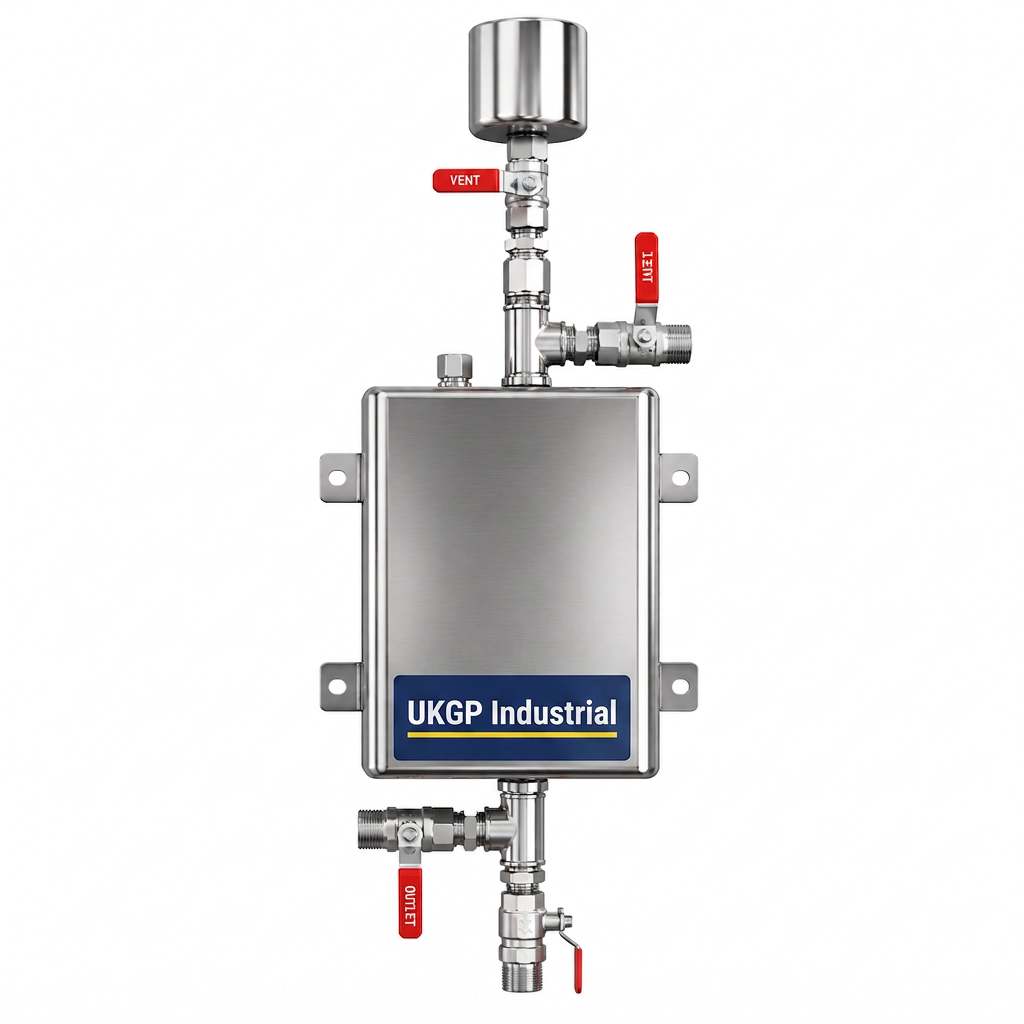
Consultants and contractors should also consider the role of chemical dosing pots in this maintenance ecosystem. After a chemical cleaning of heat exchanger operation, the system must be dosed with the correct inhibitors to protect the metal surfaces. A UKGP dosing pot allows for the precise and safe introduction of these inhibitors without de-pressurising the main loop. When combined with our filtration skids, which typically have a 6-8 week lead time, you create a comprehensive protection package. This ensures your HVAC system operates at peak efficiency, meeting the stringent energy performance targets required by modern UK legislation and CIBSE recommendations for decarbonising existing building stock.
- Extended service life of PHE plates through particulate removal.
- Reduced frequency of expensive chemical cleaning interventions.
- Improved energy efficiency across the entire HVAC network.
- Compliance with BS 8552 guidelines for water quality monitoring.
Technical Risks of Incorrect Cleaning Protocols
The risks associated with incorrectly executed chemical cleaning of heat exchanger units cannot be overstated. One of the most common issues seen in the UK market is chemical incompatibility. For instance, using hydrochloric acid on stainless steel plates can lead to rapid chloride stress corrosion cracking, which can destroy an entire plate pack in a matter of hours. Always consult the Technical Data Sheet (TDS) of the PHE manufacturer before selecting a cleaning agent. Furthermore, if the cleaning chemicals are left in the system for too long without adequate neutralisation, it can lead to the degradation of the gaskets, causing leaks when the system is brought back up to operating pressure and temperature.
Another technical risk involves 'channeling,' where the cleaning solution takes the path of least resistance through a partially blocked plate pack. This leaves significant areas of the heat exchanger uncleaned, resulting in poor performance even after a chemical cleaning of heat exchanger attempt. This is why high-flow CIP pumps are necessary to force the chemicals into all channels of the plate geometry. If you find that your approach temperatures do not improve following a clean, it is likely that channeling occurred or the fouling was too severe for a CIP approach, necessitating a manual strip-down and pressure wash of individual plates.
Finally, there is the environmental risk. UK water authorities are increasingly strict about the chemicals entering the sewer system. Any contractor performing a chemical cleaning of heat exchanger must ensure they have a discharge permit if they are disposing of large volumes of chemicals, or they must tank the waste off-site for professional disposal. Failing to adhere to these environmental regulations can result in heavy fines for the facility owner. Using a trusted UK supplier like UKGP for your filtration and dosing equipment ensures your system is designed for ease of maintenance and environmental compliance, supported by our robust 2-year warranty on all manufactured skids.
- Chloride stress corrosion from improper acid selection.
- Gasket failure due to chemical over-exposure or overheating.
- Environmental non-compliance during effluent disposal.
- Incomplete cleaning due to low-flow CIP pump selection.
Long-term Performance and BSRIA BG50 Compliance
BSRIA BG50 'Water Treatment for Closed Heating and Cooling Systems' provides the definitive framework for maintaining system health in the UK. A core part of this guidance is the regular monitoring and intervention to prevent the buildup of solids. While the chemical cleaning of heat exchanger is a reactive or periodic maintenance task, the BG50 philosophy encourages a proactive regime. This involves a combination of high-quality filtration, regular chemical analysis, and the use of dosing pots to maintain inhibitor levels. By following this holistic approach, engineers can ensure that the heat exchanger—often the most sensitive part of the circuit—remains free from the fouling that degrades system performance.
For procurement leads and M&E contractors, specifying the right equipment at the design or retrofit stage is key. Standardising on UK-manufactured components from UKGP, such as our side stream filtration skids (DN50-DN100), ensures that replacement parts and technical support are readily available within the UK. With a starting price of £6,800+VAT and a 6-8 week turnaround, our skids represent a high-value investment for any plant room project. They play a vital role in ensuring that the benefits of a chemical cleaning of heat exchanger are preserved, protecting the plate surfaces from the immediate re-settlement of circulating contaminants that can occur in older, high-volume systems.
In conclusion, the chemical cleaning of heat exchanger is a precision task that requires technical knowledge, the right chemicals, and a clear step-by-step process. When done correctly and supported by excellent filtration and dosing infrastructure, it can restore a system's efficiency to near-factory levels. If you are planning a maintenance shutdown or if you are seeing rising energy costs in your plant room, contact UKGP today. We can provide the technical advice and the high-specification hardware—from expansion bellows to filtration skids—needed to ensure your facility meets CIBSE and BSRIA standards for years to come with our industry-leading 2-year warranty.
- Alignment with BSRIA BG50 for best-practice system management.
- Sourcing UK-made filtration skids with a 2-year warranty.
- Maintaining energy efficiency in line with UK Net Zero goals.
- Reducing operational risk through high-specification plant equipment.
Frequently asked questions
How often should chemical cleaning of heat exchanger be performed?
- Frequency depends on water quality and BSRIA BG50 compliance. Typically, every 2-3 years is standard for UK systems, but this can be extended with high-quality side stream filtration.
What is the cost of a side stream filtration skid from UKGP?
- Our made-to-order filtration skids start from £6,800+VAT, depending on the pipe size (DN50 to DN100) and specific system requirements.
Can I use any acid for the chemical cleaning of heat exchanger?
- No. You must use chemicals compatible with your plate material (usually 316SS or Titanium) and gasket type (EPDM/Nitrile). Hydrochloric acid is generally avoided for stainless steel.
What is the lead time for UKGP equipment?
- Our bespoke skids and industrial components typically have a 6-8 week lead time, as they are manufactured to high standards in the UK.
Does UKGP offer a warranty on their maintenance equipment?
- Yes, we provide a comprehensive 2-year warranty on our side stream filtration skids and other manufactured plant-room equipment.