Thermal Engineering and the Cetetherm Plate Heat Exchanger
In the UK's demanding commercial sector, the use of a cetetherm plate heat exchanger is often central to district heating schemes and large-scale HVAC systems. These units operate on the principle of high-velocity fluid flow through corrugated plates, which creates the turbulence necessary for efficient thermal energy transfer. When engineers assess these units, they must account for the specific temperature cross requirements of the primary and secondary circuits. This is particularly vital in applications involving low-temperature hot water (LTHW) systems where maintaining a narrow approach temperature is essential for maximizing boiler efficiency and ensuring the longevity of mechanical plant room hardware.
Precision in thermal sizing cannot be overstated when integrating a cetetherm plate heat exchanger into an existing system architecture. Most M&E contractors and consultants look for high-grade stainless steel plates, typically 316L, to withstand the varying water qualities found across the UK. Using BSRIA BG29 pre-commission cleaning standards ensures that the internal surfaces of these exchangers remain free from the debris and mill scale that often plague new installations. Failure to maintain these standards can lead to localized scaling or fouling, which significantly increases the pressure drop across the internal channels and reduces the overall heat transfer coefficient, leading to higher operational costs and energy waste.
Choosing between different configurations of a cetetherm plate heat exchanger involves analyzing the flow rates and the desired thermal length. A longer plate design provides higher thermal efficiency but also increases the pressure drop, whereas shorter plates are better suited for systems with lower pump head availability. At UKGP, we understand that every plant room has unique constraints, often necessitating a bespoke approach. While many standard units provide excellent service, our UK-based team specializes in sizing solutions from a full thermal spec, ensuring that every plate heat exchanger we supply—whether gasketed or brazed—is perfectly matched to the specific Kilowatt (kW) demands of your facility.
- Optimal heat transfer via high-turbulence corrugated plate design
- Corrosion resistance using 316L stainless steel as standard
- Compliance with BSRIA BG29 for system longevity
- Configurable thermal lengths for specific pressure drop requirements
Gasketed vs Brazed Cetetherm Plate Heat Exchanger Options
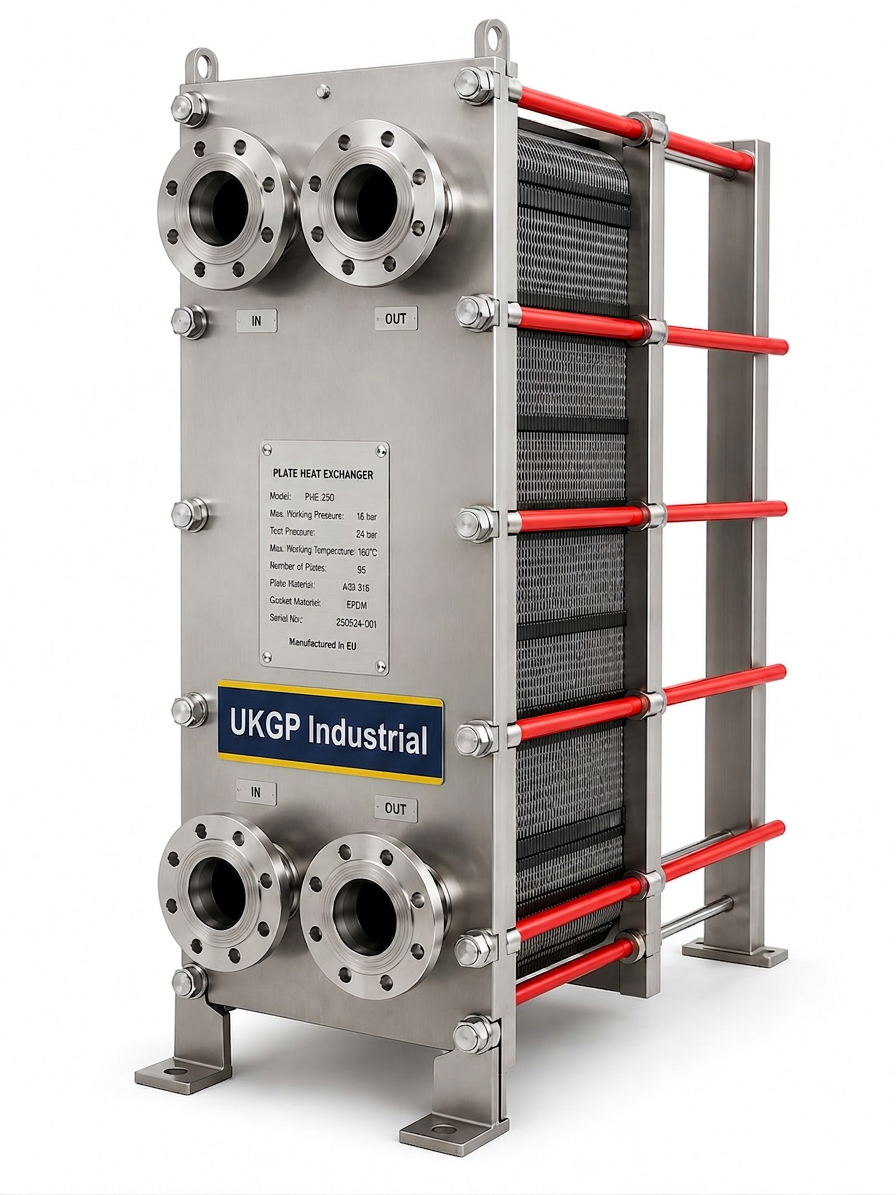
A critical decision for any procurement lead is selecting between a gasketed and a brazed cetetherm plate heat exchanger. Gasketed units offer the advantage of being fully serviceable; they can be dismantled for deep cleaning or expanded by adding more plates if building loads increase in the future. This flexibility is highly valued by Facility Managers (FMs) who need to plan for long-term maintenance cycles and potential system growth. These units are typically held together by a robust steel frame and tightening bolts, which allows for the replacement of individual gaskets should a leak occur due to thermal cycling or chemical degradation within the system fluid.
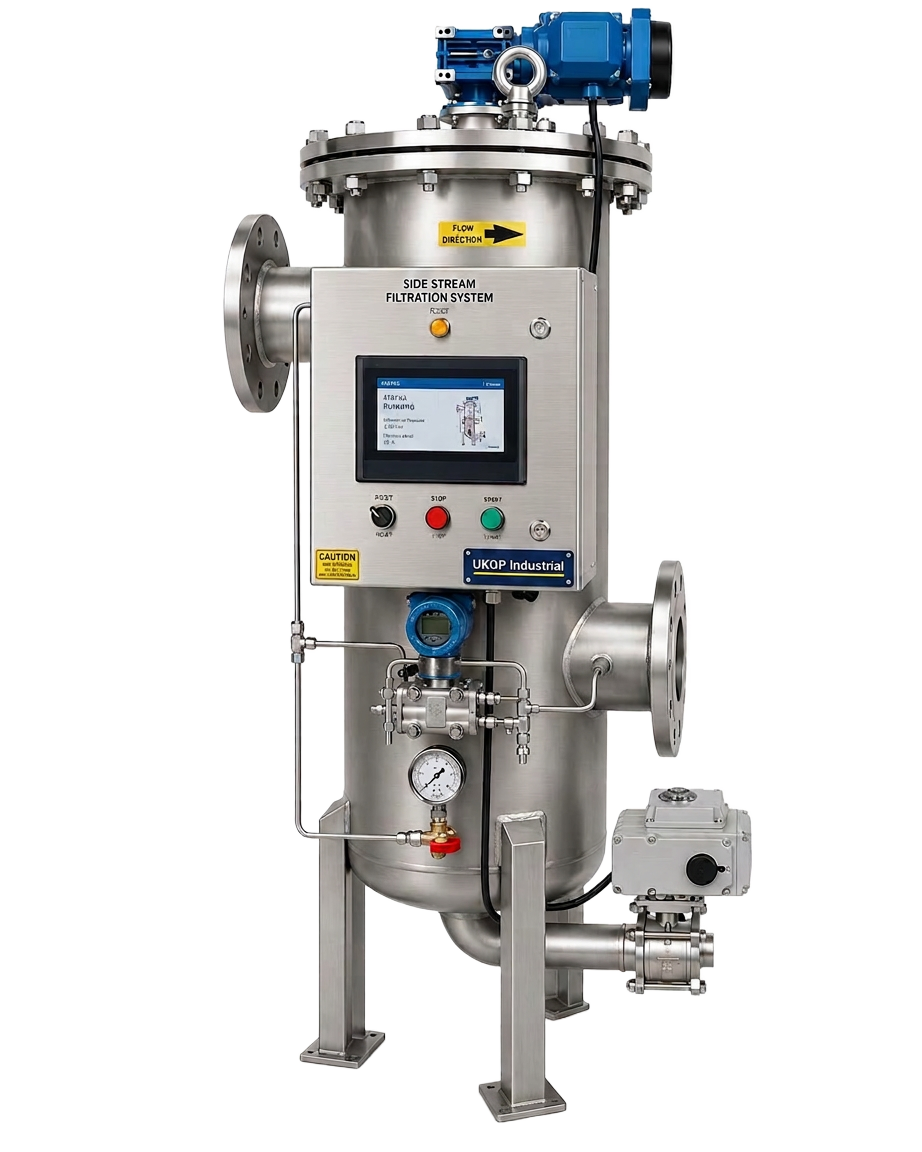
Conversely, the brazed version of a cetetherm plate heat exchanger offers a more compact footprint and incredible pressure resistance, often up to 30 bar or more. Because these units are vacuum-brazed with copper or nickel, they eliminate the need for gaskets and frames, making them ideal for high-pressure applications or plant rooms where space is at a premium. However, the trade-off is that brazed units are sealed for life; if they become severely fouled or choked with magnetite, they generally require replacement rather than cleaning. For this reason, we always recommend the installation of side-stream filtration to protect these sensitive components from suspended solids and corrosion products.
UKGP supports M&E contractors by offering a direct alternative to the standard cetetherm plate heat exchanger range, with our own gasketed and brazed units ranging from DN20 to DN300. Our units are sized to your exact thermal specification, ensuring that your secondary side temperature is achieved even under peak load conditions. With a 2-year warranty and a UK lead time of just 4-6 weeks, we provide a reliable commercial alternative for those who cannot wait for long international shipping delays. Our engineering team can look at your current flow and return temperatures to propose a unit that matches or exceeds current performance benchmarks.
- Gasketed units allow for easy maintenance and capacity expansion
- Brazed versions offer high-pressure ratings in a compact size
- Suitability for both LTHW and chilled water circuits
- Importance of side-stream filtration to prevent permanent clogging
Maintenance Protocols and BSRIA BG50 Compliance
To ensure that a cetetherm plate heat exchanger continues to operate within its design parameters, maintenance must be aligned with BSRIA BG50 guidelines for water treatment in closed heating and cooling systems. Poor water quality is the primary cause of heat exchanger failure in the UK. High levels of hardness can lead to calcium carbonate scaling on the plate surfaces, which acts as an insulator and restricts flow. By monitoring the Delta P (pressure difference) across the exchanger, engineers can identify when a unit is beginning to foul. A gradual increase in pressure drop alongside a decrease in heat transfer efficiency is a clear indicator that a chemical clean or plate inspection is required.
Integrating high-quality monitors such as pH sensors and transmitters into the circuit allows for real-time tracking of the water chemistry surrounding the cetetherm plate heat exchanger. Maintaining a stable pH and inhibiting oxygen ingress are fundamental to preventing the pitting corrosion that can lead to cross-contamination between the primary and secondary circuits. For gasketed units, it is also important to check the condition of the EPDM or NBR seals. Over time, constant thermal expansion and contraction can cause gaskets to harden and lose their elasticity, potentially leading to external leaks that compromise the entire plant room's pressurization levels and efficiency.
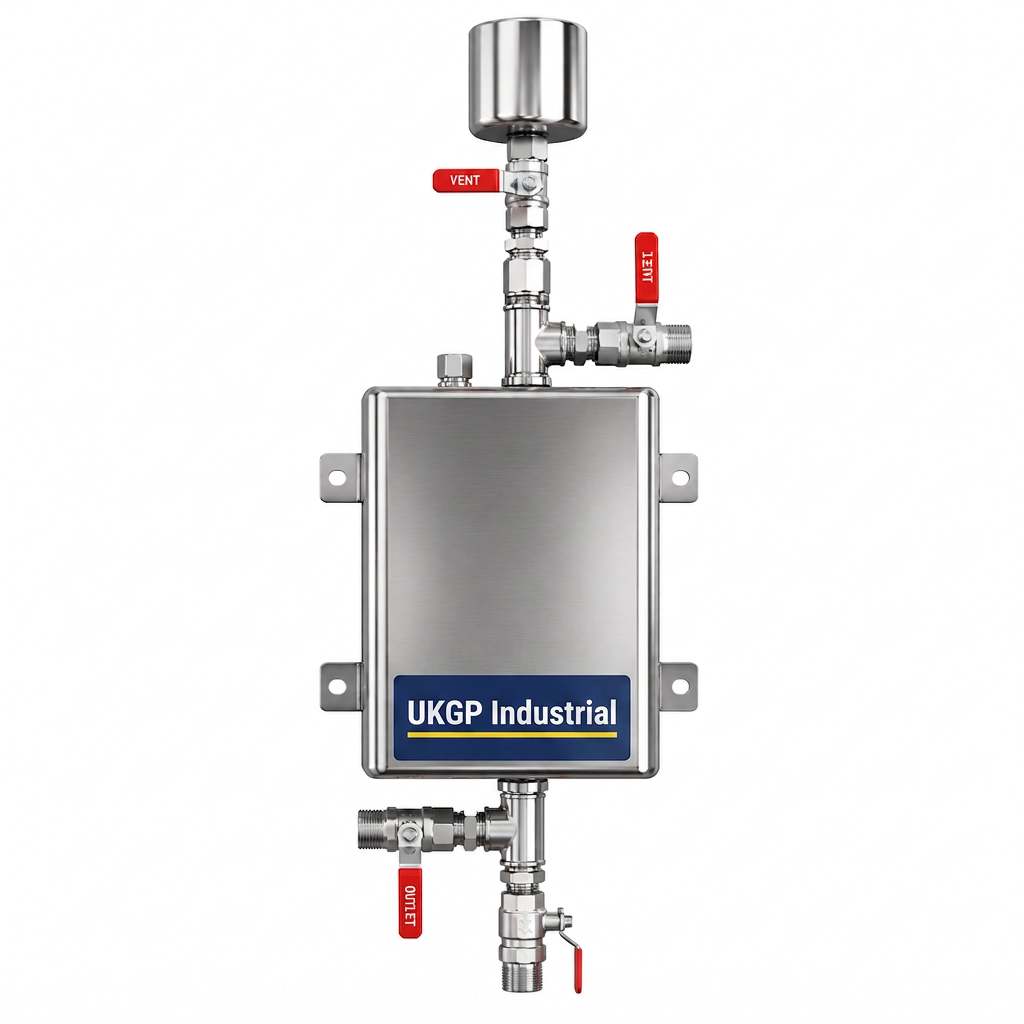
For professional M&E contractors, our advice is to always install a dosing pot alongside any cetetherm plate heat exchanger installation. This allows for the easy introduction of corrosion inhibitors and biocides without needing to depressurize the entire system. At UKGP, we advocate for a proactive approach to system health. Our plate heat exchangers are designed to integrate seamlessly into these well-maintained environments. By following a strict chemical dosing regime and regular testing, you can extend the service life of your heat transfer equipment well beyond the standard warranty period, ensuring a better return on investment for the end client.
- Regular monitoring of Delta P to detect scaling and fouling
- pH monitoring to prevent plate pitting and cross-contamination
- Annual inspection of gaskets for elasticity and structural integrity
- Implementation of chemical dosing to maintain water quality standards
Sizing a Cetetherm Plate Heat Exchanger for Peak Efficiency
Sizing a cetetherm plate heat exchanger is not merely about matching the Kilowatt output; it requires a detailed analysis of the logarithmic mean temperature difference (LMTD). If the temperature approach is too tight, the required surface area increases exponentially, leading to a much larger and more expensive unit. Conversely, if the unit is undersized, the secondary circuit will never reach its design setpoint, causing the building's climate control systems to fail during peak winter loads. Our technical team works with consultants to review the primary flow temperature, secondary return temperature, and the required output to ensure the resulting plate configuration is both cost-effective and operationally sound.
Another factor in successful cetetherm plate heat exchanger specification is the fluid velocity. If the velocity is too low, the flow remains laminar, and the heat transfer efficiency drops significantly. If the velocity is too high, the risk of erosion-corrosion on the stainless steel plates increases, particularly at the port entries. Finding the 'sweet spot' requires high-end calculation software and a deep understanding of fluid dynamics. UKGP engineers utilize these tools to provide bespoke selections from DN20 to DN300, ensuring that every unit we supply is optimized for the specific flow rates of your commercial project, whether it is a hospital, school, or office block.
Lead times are often a deal-breaker in the UK construction industry. While the cetetherm plate heat exchanger is a respected product, waiting months for a replacement can lead to extended building downtime. UKGP addresses this by offering a 4-6 week lead time for specialized thermal solutions. We provide a full 2-year warranty on our heat exchangers, giving procurement leads the confidence that they are buying a high-performance product supported by local expertise. When you provide us with a full thermal spec, we can often suggest a high-efficiency alternative that meets all the original design criteria while potentially offering better availability for tight project schedules.
- LMTD calculations to balance cost and thermal performance
- Velocity optimization to prevent laminar flow and erosion
- Technical support for DN20 to DN300 sizing requirements
- Rapid 4-6 week lead times for time-critical UK projects
Integrating Separators and Headers with High-Flow Exchangers
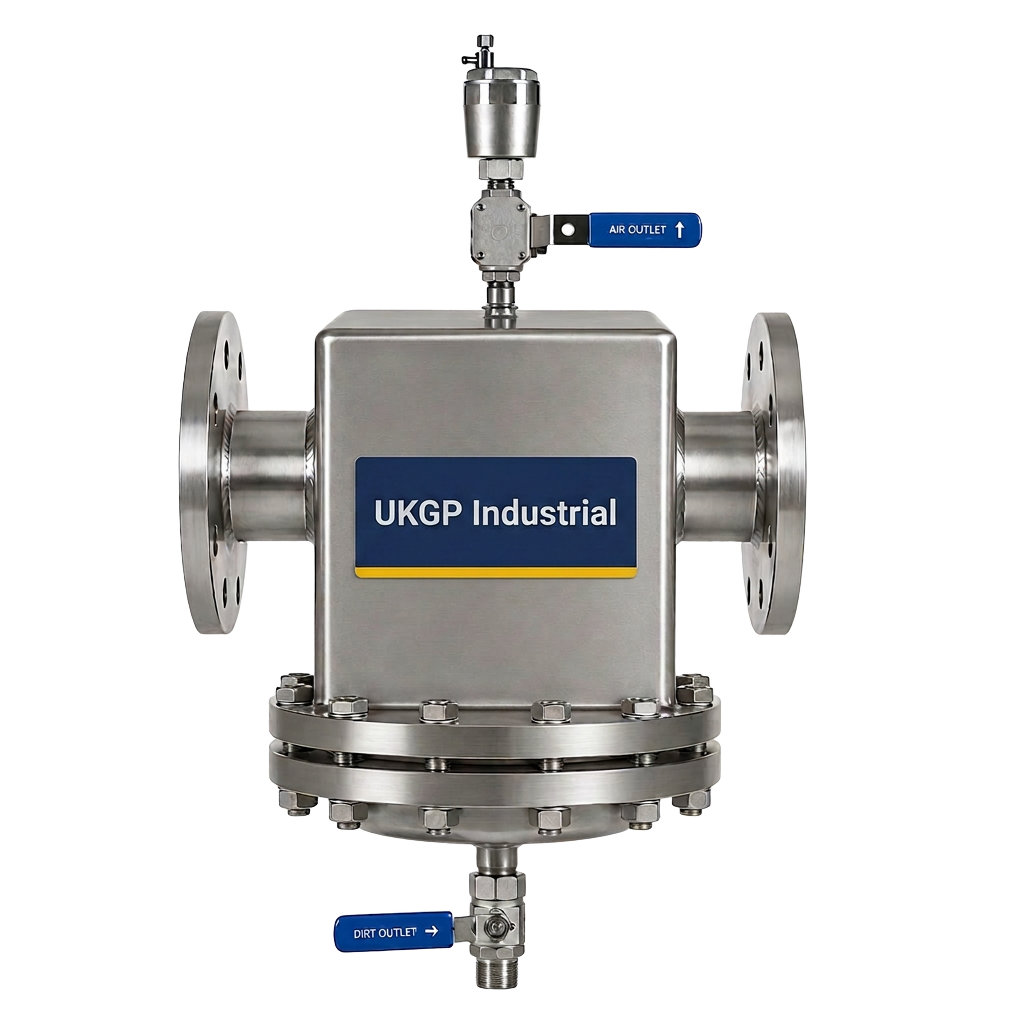
The performance of a cetetherm plate heat exchanger is heavily dependent on the quality of the fluid entering the ports. Air bubbles and micro-bubbles can create air locks within the narrow plate channels, leading to cold spots and reduced efficiency. Installing high-performance air and dirt separators upstream of the heat exchanger is essential to capture these gases and any heavy particles before they can settle in the plate pack. This is particularly important in systems that utilize older iron pipework where rust and debris are prevalent. By protecting the heat exchanger, you reduce the frequency of maintenance shutdowns and ensure consistent heat delivery across the building's zones.
Low loss headers also play a pivotal role when a cetetherm plate heat exchanger is used in a multi-boiler or multi-pump circuit. The header acts as a neutral point, separating the primary boiler circuit from the secondary distribution circuit. This prevents the pumps from 'fighting' each other and ensures that the flow rate through the heat exchanger remains stable regardless of the demand on the secondary side. Without a properly sized header, the heat exchanger may experience fluctuating flow rates, which can lead to thermal shock and shorten the lifespan of the gaskets or brazing. UKGP supplies a range of headers designed to complement high-flow plate heat transfer systems.
For larger industrial applications, expansion bellows should be considered to manage the mechanical stresses placed on the pipework connected to the cetetherm plate heat exchanger. As the plates heat up and cool down, the associated pipework will undergo thermal expansion. If this movement is not accommodated, it can put significant strain on the exchanger ports, leading to structural failure or leaks. Using BS EN 14917 compliant expansion joints ensures that the system is flexible enough to handle these stresses. At UKGP, we look at the entire system holistically, ensuring that our heat exchangers are supported by the necessary peripheral components to ensure long-term, fail-safe operation.
- Air and dirt separators to maintain plate passage clarity
- Low loss headers for hydraulic decoupling and flow stability
- Expansion bellows to protect ports from thermal stress
- Adherence to BS EN 14917 for flexible joint safety
Project Specification and Commercial Procurement for Cetetherm Units
When it comes to commercial procurement, the total cost of ownership (TCO) of a cetetherm plate heat exchanger involves more than just the initial purchase price. Engineers must factor in the cost of spare parts, the ease of future expansion, and the technical support available in the UK. Many leading commercial boiler manufacturers recommend high-efficiency plate exchangers to separate the boiler's primary water circuit from the potentially dirty secondary system. This 'hydraulic separation' protects the heat exchangers within the boilers themselves, which are often much more difficult and expensive to replace than an external plate heat exchanger unit.
Choosing UKGP as your partner for heat transfer solutions means you benefit from our commitment to quality and technical precision. We don't just sell boxes; we provide a full thermal sizing service to ensure that our units—ranging from DN20 to DN300—perform exactly as required under UK site conditions. Whether you need a gasketed unit for a modular plant room or a brazed unit for a compact DHW (Domestic Hot Water) station, we offer a 2-year warranty as standard. This assurance of quality is vital for M&E contractors who are on the hook for system performance during the defects liability period and beyond.
In conclusion, while the cetetherm plate heat exchanger is a staple of the industry, the UK market now demands faster lead times and high levels of local technical support. UKGP is perfectly positioned to meet these needs, providing bespoke-sized thermal products with a 4-6 week lead time. By integrating our solutions with professional water treatment, side-stream filtration, and proper hydraulic separation, you ensure that your plant room operates at peak efficiency for decades. Contact our Surrey-based team today with your thermal specification to receive a competitive quote and expert advice for your next industrial heating or cooling project.
- Focus on Total Cost of Ownership and lifecycle maintenance
- Hydraulic separation to protect expensive boiler plant
- Manufacturer-backed 2-year warranty on all sized units
- Consultancy-led approach to M&E project procurement
Frequently asked questions
What information is needed to size a replacement for a cetetherm plate heat exchanger?
- To provide an accurate equivalent, we require the primary and secondary flow and return temperatures, the total heat load in kW, and the maximum allowable pressure drop for both circuits. A full thermal spec ensures we match the performance of your original unit exactly.
How often should a gasketed cetetherm plate heat exchanger be serviced?
- Per BSRIA BG50 guidelines, the unit should be monitored continuously for pressure drop. A physical inspection and possible gasket replacement are usually recommended every 5 to 10 years, depending on the severity of the thermal cycling and water quality.
Can I upgrade my cetetherm plate heat exchanger to handle a higher load?
- If you have a gasketed frame model, it is often possible to add more plates to increase the heat transfer surface area, provided the frame has enough length and the ports can handle the increased flow rate. Brazed units cannot be upgraded and must be replaced.
What is the typical lead time for an industrial plate heat exchanger in the UK?
- While many international brands have multi-month lead times, UKGP typical lead times for gasketed and brazed plate heat exchangers range from 4 to 6 weeks, depending on the complexity of the thermal specification.
Why is side-stream filtration recommended for these units?
- Plate heat exchangers have narrow channels that can easily become blocked by magnetite and grit. Side-stream filtration, as per BSRIA BG29/BG50, removes these contaminants to maintain design flow rates and prevent efficient heat transfer degradation.