Identifying the causes of a blocked plate heat exchanger
In the UK building services sector, the most common culprit behind a blocked plate heat exchanger is the accumulation of scale and magnetite. Calcium carbonate deposits often build up on the hot side of the plates in hard water areas like Surrey and London, while iron oxide sludge typically migrates from the wider pipework system. These contaminants reduce the effective surface area for heat transfer and increase the pressure drop across the unit. BSRIA BG50 guidelines emphasize that water quality monitoring is essential to prevent these issues, yet even with treatment, narrow plate channels remain susceptible to debris. Identifying whether the blockage is organic, such as biological fouling in cooling towers, or inorganic scale is the first step in determining the viability of a technical recovery operation.
System performance degradation is often gradual, meaning a blocked plate heat exchanger might go unnoticed until a specific temperature setpoint can no longer be maintained. Monitoring the Delta P (differential pressure) across the primary and secondary circuits is the most reliable method for diagnosing internal fouling before it leads to a total system shutdown. When the pressure drop exceeds the design parameters by more than 25%, it is a clear indicator that the internal flow paths are restricted. This restriction forces pumps to work harder, consuming significantly more electricity and shortening the lifespan of other plant-room components. For M&E contractors, early detection through regular maintenance intervals is vital to avoid emergency call-outs and the associated high costs of unplanned downtime in critical commercial environments.
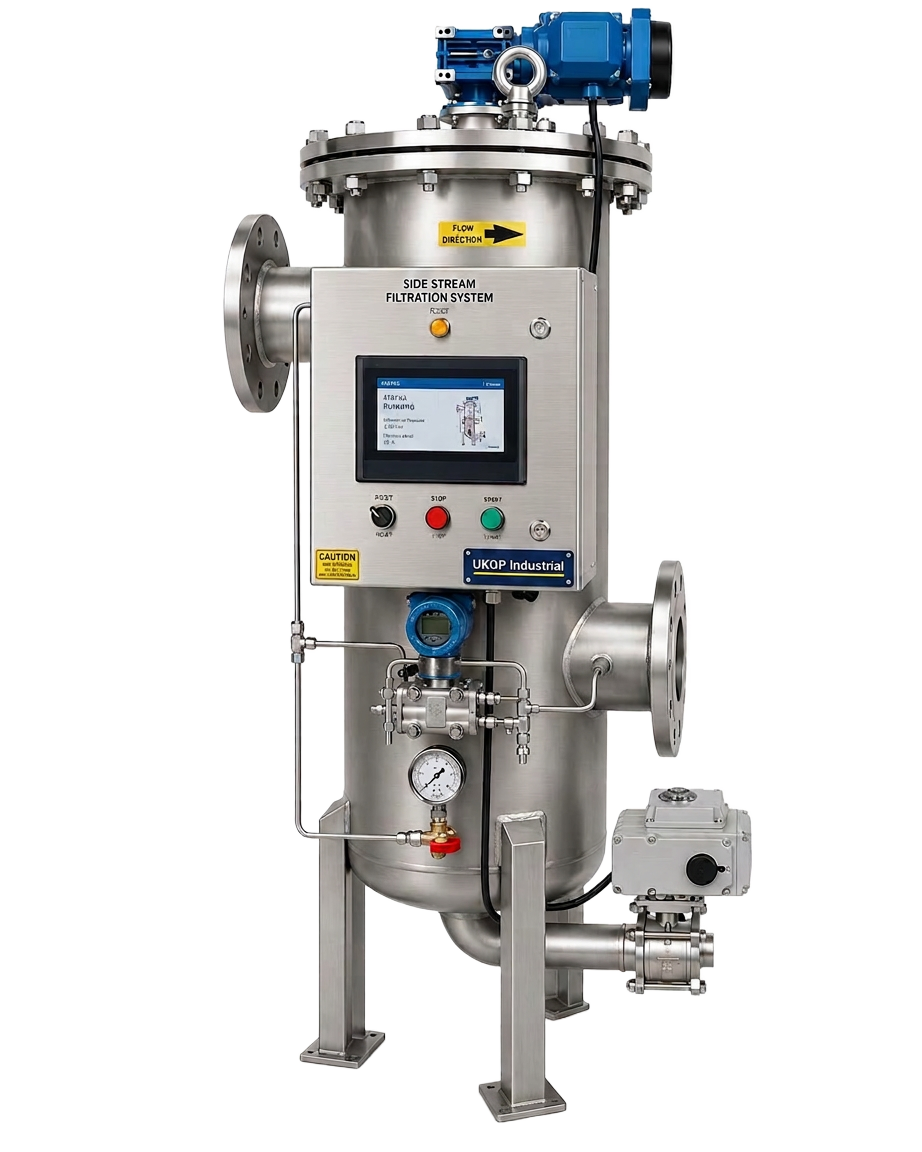
Environmental factors and system design also play a role in how quickly a unit becomes obstructed. For instance, systems lacking adequate side stream filtration or effective dirt separation are far more likely to experience a blocked plate heat exchanger within a few years of commissioning. If your current unit is suffering frequent performance drops, it is often due to the lack of pre-treatment or filtration equipment upstream. At UKGP, we recommend a holistic approach to plant-room health, ensuring that the water chemistry aligns with CIBSE CP1 standards. When a heat exchanger reaches a state of total blockage, the decision to attempt a clean or move straight to a replacement must be made by weighing up the labor costs and the likelihood of successful thermal restoration against the price of a brand-new, high-efficiency unit.
- Limescale accumulation in hard water regions
- Corrosion by-products such as magnetite sludge
- Bio-fouling from open-loop cooling systems
- Inadequate primary or secondary circuit filtration
The feasibility of cleaning a blocked plate heat exchanger
Chemical cleaning, or Clean-In-Place (CIP), is often the first consideration when dealing with a blocked plate heat exchanger. This process involves circulating specialized acidic or alkaline solutions through the unit to dissolve deposits. For gasketed units, specialized technicians can dismantle the plate pack to manually scrub each plate, which provides a high level of confidence in the results. However, if you are managing a brazed plate heat exchanger, manual cleaning is impossible, and chemical flushing is the only option. The success rate of flushing a heavily blocked plate heat exchanger depends entirely on the nature of the blockage; if the channels are completely bridged by solid calcium carbonate, the cleaning fluid may simply bypass the obstructed areas, leaving the core of the heat exchanger non-functional and inefficient.
BSRIA BG29 and BG50 highlight the importance of using the correct chemicals to avoid damaging the metallurgy of the plates. For example, using the wrong acid on stainless steel plates can lead to pitting corrosion or stress corrosion cracking. Furthermore, the labor costs for on-site dismantling, cleaning, and re-gasketing can be substantial. For older gasketed units, there is also the risk that the gaskets have become brittle and will fail upon reassembly, leading to leaks between the circuits. Many facility managers find that after paying for expensive chemical cleaning, the performance of the blocked plate heat exchanger still does not return to the original design thermal duty, making the investment a sunk cost that only delays the inevitable need for a modern replacement unit.
When considering a clean, engineers must also factor in the disposal of the chemical waste, which must be handled according to UK environmental regulations. This adds another layer of complexity and cost to the process. If the unit is a critical part of a hospital or data center's cooling infrastructure, the time required for a deep clean may exceed the allowable downtime window. In such scenarios, the risk of a failed cleaning attempt is often too high to justify. If your assessment suggests that the internal geometry is compromised or the fouling is too severe, sourcing a replacement UKGP plate heat exchanger—sized accurately from your thermal spec—is frequently the more reliable and commercially sensible path forward for maintaining site-wide operational continuity.
- Assessment of blockage type (chemical vs. physical)
- Risk of metallurgical damage from aggressive cleaning agents
- Potential for gasket failure during re-assembly
- Labor-intensive nature of manual plate scrubbing
When to opt for a replacement UKGP plate heat exchanger
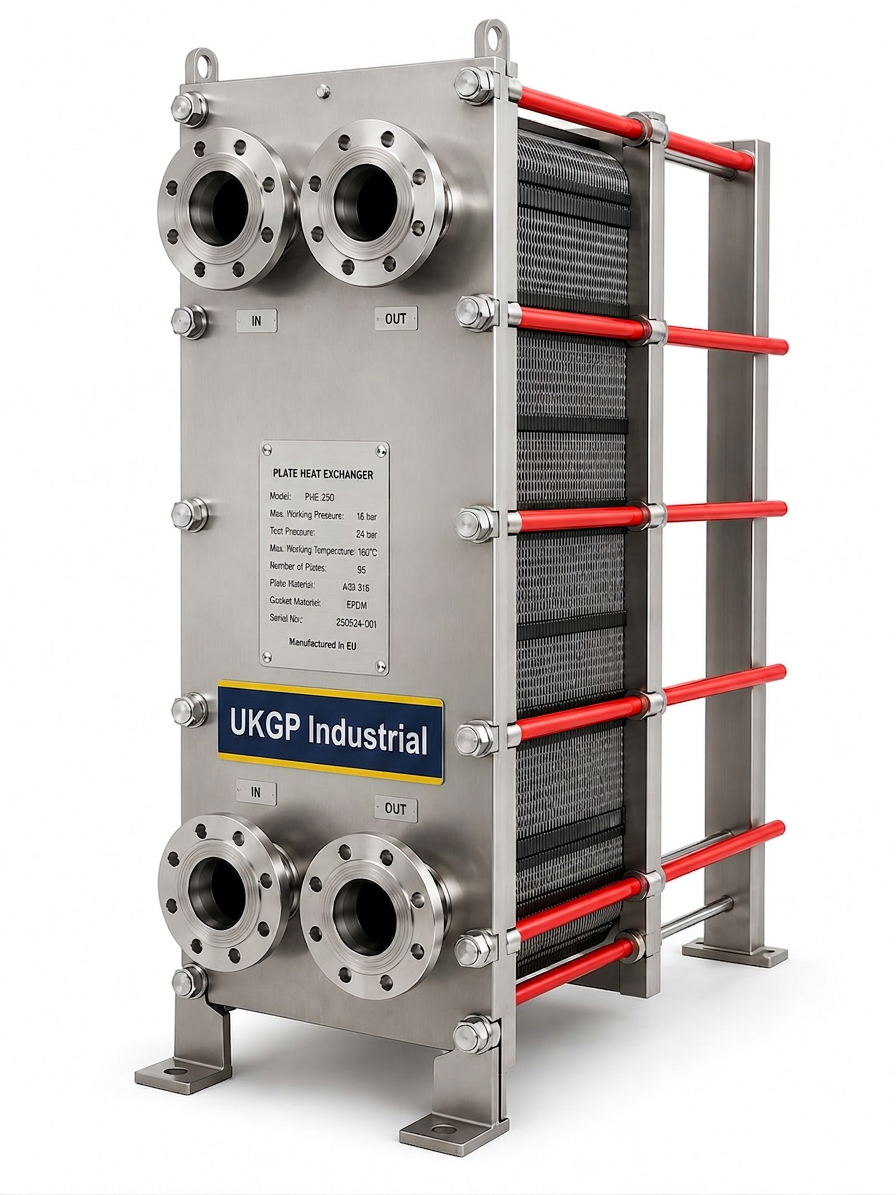
If your current unit is several years old and presents a persistent blocked plate heat exchanger issue, replacement is generally the superior option. Modern plate heat exchangers offer significantly better thermal profiles and lower pressure drops than older legacy models. At UKGP, we supply both gasketed and brazed units ranging from DN20 to DN300, ensuring we can match the footprint and connection sizes of your existing plant. Choosing a replacement allows you to benefit from our 2-year warranty and a lead time of just 4-6 weeks, which is often faster than coordinating a complex multi-day cleaning and refurbishment project. Furthermore, a new unit guarantees that you are starting with a 100% clean surface area, immediately restoring your system's design efficiency and reducing domestic hot water or heating energy consumption.
Sizing a replacement is a straightforward process when you work with our technical team. We can size a new unit from a full thermal spec, taking into account the primary and secondary flow rates, temperature deltas, and allowable pressure drops. This ensures that the new unit is not just a like-for-like replacement but is optimized for the current demands of the building, which may have changed since the original installation. A new UKGP plate heat exchanger will also feature high-quality 316 stainless steel plates as standard, providing better resistance to the various water chemistries commonly found in UK HVAC circuits. This proactive upgrade mitigates the future risk of a blocked plate heat exchanger by ensuring the plate corrugations are designed for modern flow dynamics and easier maintenance access.
Commercial awareness is key when presenting the business case for a replacement to procurement leads. While the upfront cost of a new UKGP plate heat exchanger may be higher than a chemical flush, the total cost of ownership is lower. You avoid the recurring labor costs of trying to keep a failing unit alive and eliminate the risk of catastrophic cross-contamination between circuits. Our units are engineered to meet the highest standards, including BS EN 14917 where applicable, providing peace of mind for M&E contractors and consultants alike. By moving to a new unit, you also have the opportunity to install improved air and dirt separation upstream, which is the most effective way to ensure that your new investment does not suffer the same fate as the old, fouled equipment.
- Sized from full thermal specifications for peak performance
- Gasketed and brazed options available (DN20-DN300)
- Quick 4-6 week lead time for urgent plant-room upgrades
- Backed by a comprehensive 2-year manufacturer warranty
Integrating side stream filtration to prevent future blockages
Once you have addressed the immediate crisis of a blocked plate heat exchanger, it is vital to prevent the issue from recurring. Implementing a side stream filtration skid is the most effective method for removing the suspended solids that cause fouling. These systems continuously filter a portion of the system volume, capturing magnetite and other debris that would otherwise settle in the narrow channels of your heat exchanger. This is particularly important after a replacement, as the new plates will be clean and highly attractive surfaces for any remaining system contaminants. By maintaining water clarity, you extend the service intervals of your plant and protect the high-value components within the primary heat source.
BS 8552 provides guidance on sampling and monitoring water quality in building services systems, emphasizing that filtration is a cornerstone of a healthy circuit. A side stream unit works in tandem with chemical dosing to ensure that the internal surfaces of the heat exchanger remain free from film formation. For FMs, this means fewer emergency maintenance calls and a more predictable operational budget. When your system is clean, the heat transfer efficiency remains at its peak, directly supporting decarbonization goals by reducing the energy required to meet the building's thermal load. Without these protections, even a brand-new unit can quickly become a blocked plate heat exchanger if the system water is left untreated and unfiltered.
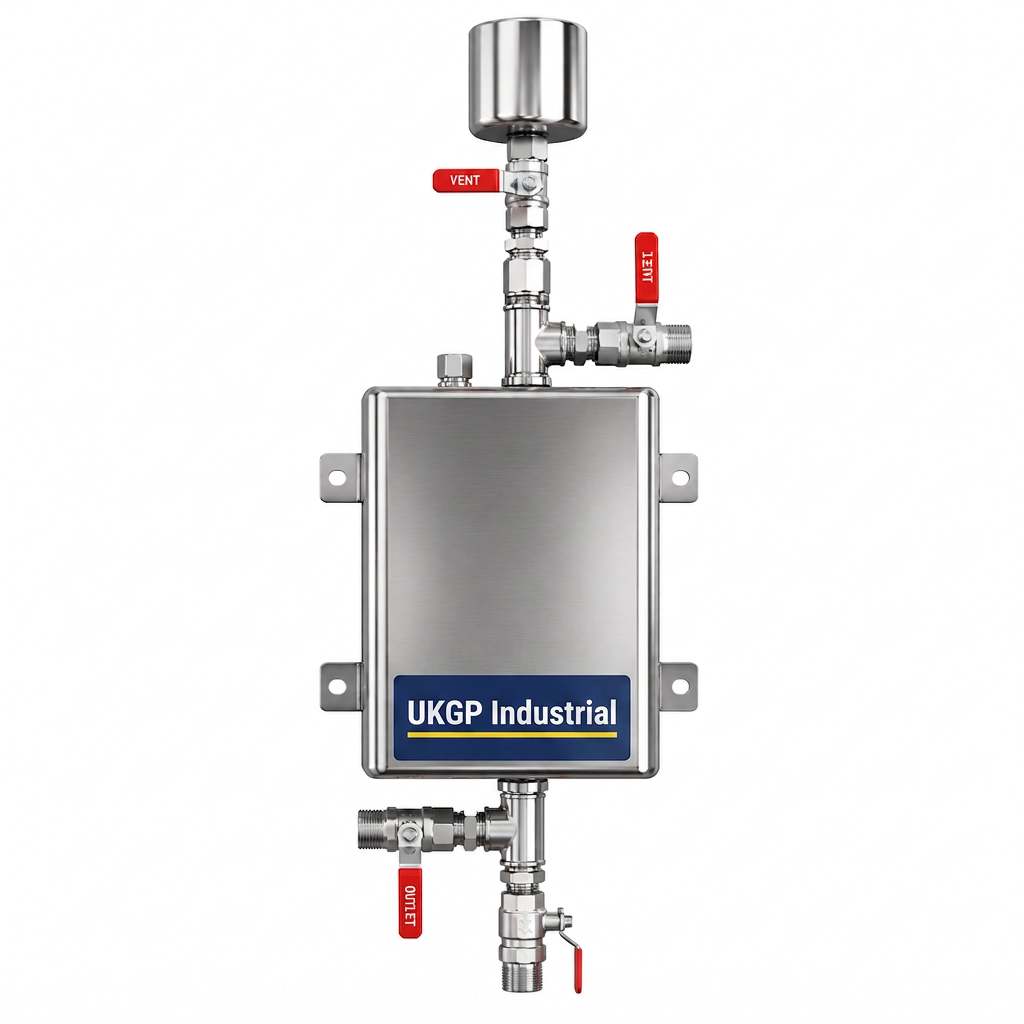
At UKGP, we provide the full suite of equipment needed to support your plate heat exchangers, including chemical dosing pots and filtration skids. Our technical experts can advise on the best placement for these units to maximize their effectiveness. For M&E contractors, including these items in a refurbishment tender not only protects the equipment but also demonstrates a commitment to best practices like those found in BSRIA BG50. Investing in preventative hardware today is significantly cheaper than the labor-intensive process of de-scaling or replacing a blocked plate heat exchanger every few years. It is about moving from a reactive maintenance model to a proactive, hardware-supported strategy that ensures long-term reliability for the end client.
- Continuous removal of suspended magnetic and non-magnetic debris
- Reduction in the frequency of plate cleaning cycles
- Compliance with BS 8552 water quality monitoring requirements
- Protection of new heat exchangers from early-life fouling
The role of expansion and air separation in heat exchanger health
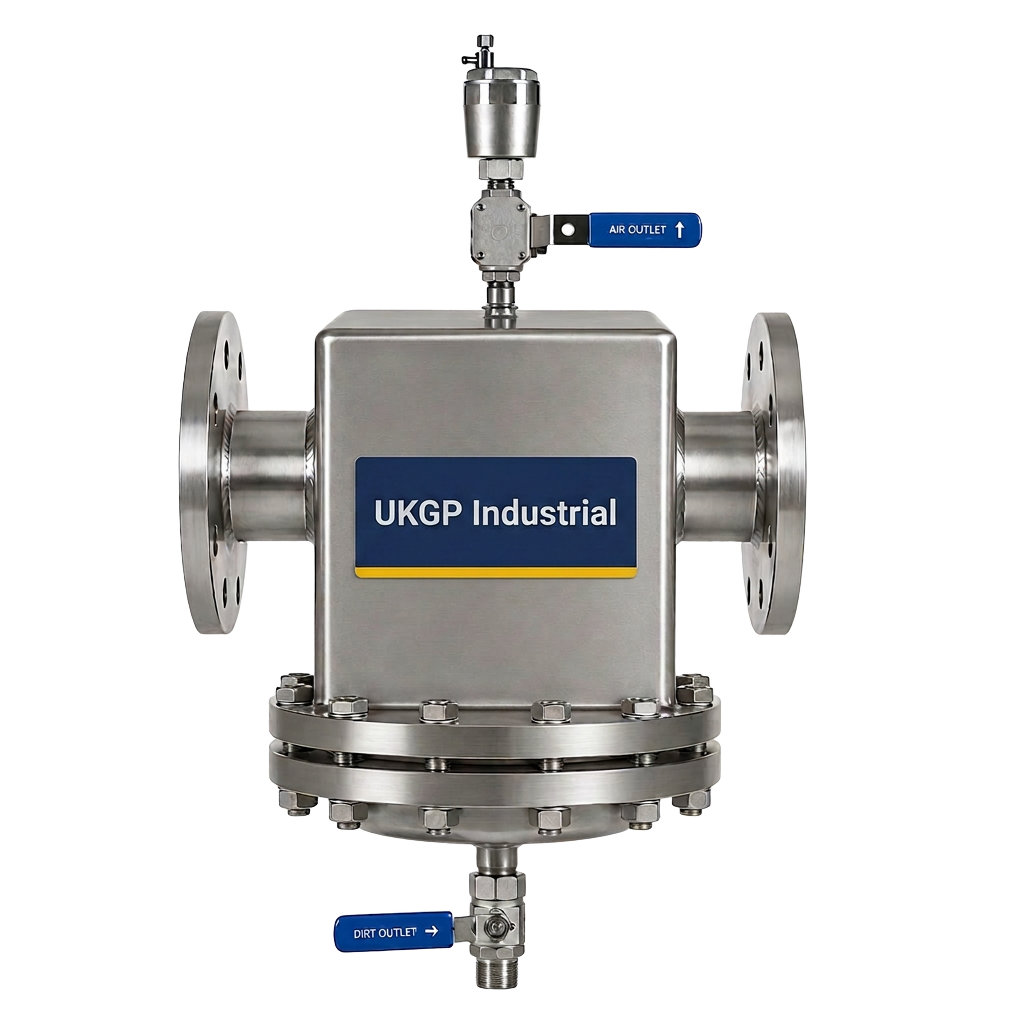
Air and dirt separators play a critical role in the lifespan of any heat exchanger. Entrained air in a system can lead to localized hotspots and accelerated corrosion, which contributes to the sludge that eventually creates a blocked plate heat exchanger. Microbubbles can also impede the heat transfer process, making the unit appear fouled even when physical debris is minimal. By installing a high-quality de-aerator and separator, you remove the gaseous and solid particles that compromise the integrity of the plate surfaces. This is a foundational step in any UKGP-specified plant-room design, ensuring that the thermal fluid remains as inert and clean as possible to maximize the efficiency of the heat transfer interface.
Expansion bellows and proper low loss headers also contribute to the stability of the system. Excessive vibration or thermal stress can cause localized scale shedding from pipework, which then travels directly into the heat exchanger. If a system is not properly balanced or if expansion is not managed according to BS EN 14917, the resulting mechanical stresses can lead to plate deformation. This deformation narrow the gaps between plates, making it much easier for a blocked plate heat exchanger to develop. Ensuring all components—from bellows to separators—are correctly specified is essential for any professional M&E installation. A stable system environment is the best defense against the premature fouling of thermal components.
For procurement leads, the decision to bundle these ancillary products with a replacement plate heat exchanger often leads to better project outcomes and reduced shipping costs. UKGP offers a comprehensive range of plant-room equipment designed to work in harmony. When a system is viewed as a single integrated circuit rather than a collection of separate parts, the risk of encountering a blocked plate heat exchanger is drastically reduced. We invite engineers and contractors to reach out for a full system review when they are in the process of replacing fouled equipment; our team can help identify the root causes of the blockage and recommend the necessary air and dirt separation solutions to ensure the new installation exceeds the performance of the one it replaces.
- De-aeration to prevent oxygen-based corrosion and sludge
- Reduction of thermal and mechanical stress through expansion bellows
- Improved hydraulic separation using low loss headers
- Enhanced system longevity and reduced maintenance overhead
Final verdict: Making the call on a fouled unit
Standard industry practice suggests that if a unit is more than five years old and is confirmed as a blocked plate heat exchanger with significant performance loss, the economic argument for cleaning usually fails. The labor involved in a manual clean, combined with the risk of ongoing leaks or incomplete thermal recovery, makes it a high-risk strategy. In contrast, a new UKGP gasketed or brazed unit provides a predictable cost, a 2-year warranty, and the assurance of modern engineering standards. For critical UK infrastructure, the reliability of a new unit far outweighs the marginal savings of a chemical flush that may only provide a temporary fix while the underlying system issues continue to persist.
Before making your final choice, we recommend a full thermal assessment. If the current blocked plate heat exchanger is causing a high pressure drop that is affecting pump performance, an immediate replacement should be prioritized. At UKGP, we specialize in rapid response for the UK market, ensuring that our 4-6 week lead time helps you get the plant back to full capacity as quickly as possible. Don't let a fouled heat exchanger drive up your energy bills and increase the wear on your boilers or chillers. A clean system is an efficient system, and sometimes the only way to achieve that cleanliness is to start fresh with a high-specification replacement unit designed for your specific application.
In summary, while cleaning has its place for minor fouling, a severely blocked plate heat exchanger is often a symptom of aging hardware or poor system health that cleaning alone cannot resolve. By choosing a UKGP replacement unit and implementing better filtration and separation, you are investing in the long-term health of your building's HVAC system. Contact our Surrey-based technical team today with your thermal requirements, and we will provide a quote for a replacement plate heat exchanger (DN20-DN300) that will restore your system's efficiency and provide years of trouble-free operation. We are here to help you navigate the complexities of plant-room maintenance with confident, practical, and commercially aware advice.
- Compare cleaning labor costs against new unit investment
- Prioritize replacement for brazed units which cannot be opened
- Modernize your system to improve overall energy efficiency
- Consult with UKGP for a rapid quote and thermal sizing
Frequently asked questions
How can I tell if I have a blocked plate heat exchanger?
- The most common signs are a significantly higher pressure drop than the design specification and a failure to reach target temperatures on the secondary circuit. Monitoring Delta P is the most effective diagnostic tool.
Can I clean a brazed plate heat exchanger?
- Brazed units cannot be opened for manual cleaning. While a chemical flush (CIP) is possible, it is often ineffective if the blocked plate heat exchanger is fully obstructed, making replacement the better option.
How long does it take to get a replacement from UKGP?
- Our standard lead time for both gasketed and brazed plate heat exchangers is 4-6 weeks. We size all units from your thermal spec to ensure a perfect match for your system requirements.
What is the warranty on a new UKGP heat exchanger?
- All our plate heat exchangers come with a comprehensive 2-year warranty, providing you with peace of mind and protection against manufacturing defects.
Is it better to clean or replace a gasketed plate heat exchanger?
- If the unit is relatively new and the gaskets are in good condition, a manual clean may be viable. However, if the unit is old or the fouling is severe, a replacement is often more cost-effective when considering labor and reliability.