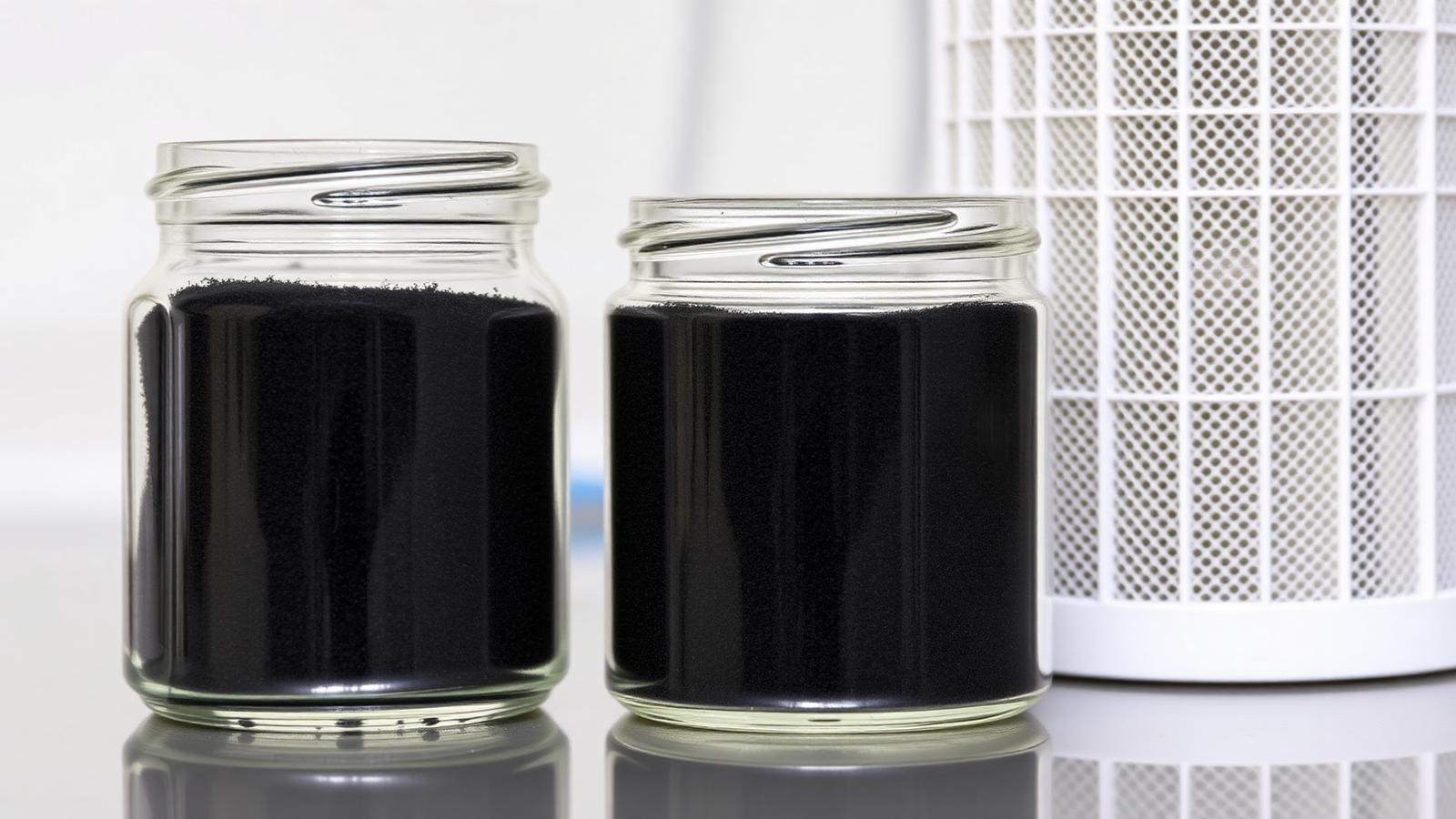
What is Black Sludge in Commercial Heating Systems?
In the context of UK building services, black sludge commercial heating issues usually stem from the formation of magnetite (Fe3O4). This dense, black, metallic substance is a byproduct of corrosion that occurs when iron or steel components within a closed-loop system react with dissolved oxygen in the water. For M&E contractors and facility managers, identifying this problem early is critical, as the sludge is significantly heavier than water and tends to settle in areas of low flow, such as heat exchanger plates and radiator bases. This settlement restricts the flow of thermal energy, forcing pumps to work harder and increasing the carbon footprint of the commercial property significantly over time.
The scientific reality of magnetite is that it is a magnetic oxide of iron. Unlike the red rust (haematite) found in open-vented systems, magnetite thrives in the low-oxygen environments of pressurised commercial LTHW (Low Temperature Hot Water) and CHW (Chilled Water) circuits. Without proper chemical dosing or mechanical filtration, these particles circulate and act as an abrasive paste, eroding pump seals, seizing valves, and creating a thermal barrier on the internal surfaces of boilers and heat exchangers. This leads to hot spots and eventual metal fatigue, which can be catastrophic for expensive plant equipment that should otherwise have a twenty-year service life if maintained correctly.
Compliance with BSRIA BG50 (Water Treatment for Closed Heating and Cooling Systems) is the industry benchmark for managing these risks. The guidance emphasises that simply chemically treating the water is often insufficient if the physical suspended solids are not removed. High concentrations of black sludge commercial heating deposits will eventually exhaust the chemical inhibitors, leaving the raw metal surfaces vulnerable to further attack. Modern plant-room engineers must therefore adopt a dual approach that combines high-quality chemical dosing with physical high-velocity filtration to ensure the water quality remains within the strict parameters defined by BS 8552 for sampling and analysis.
- Magnetite is 5.17 times denser than water, causing rapid settlement in low-flow zones.
- Abrasive properties lead to the premature failure of mechanical pump seals and control valves.
- Reduces heat transfer efficiency by acting as an insulating layer inside plate heat exchangers.
- Directly correlates with increased energy consumption and higher operational utility costs.
The Role of Side Stream Filtration in Sludge Removal
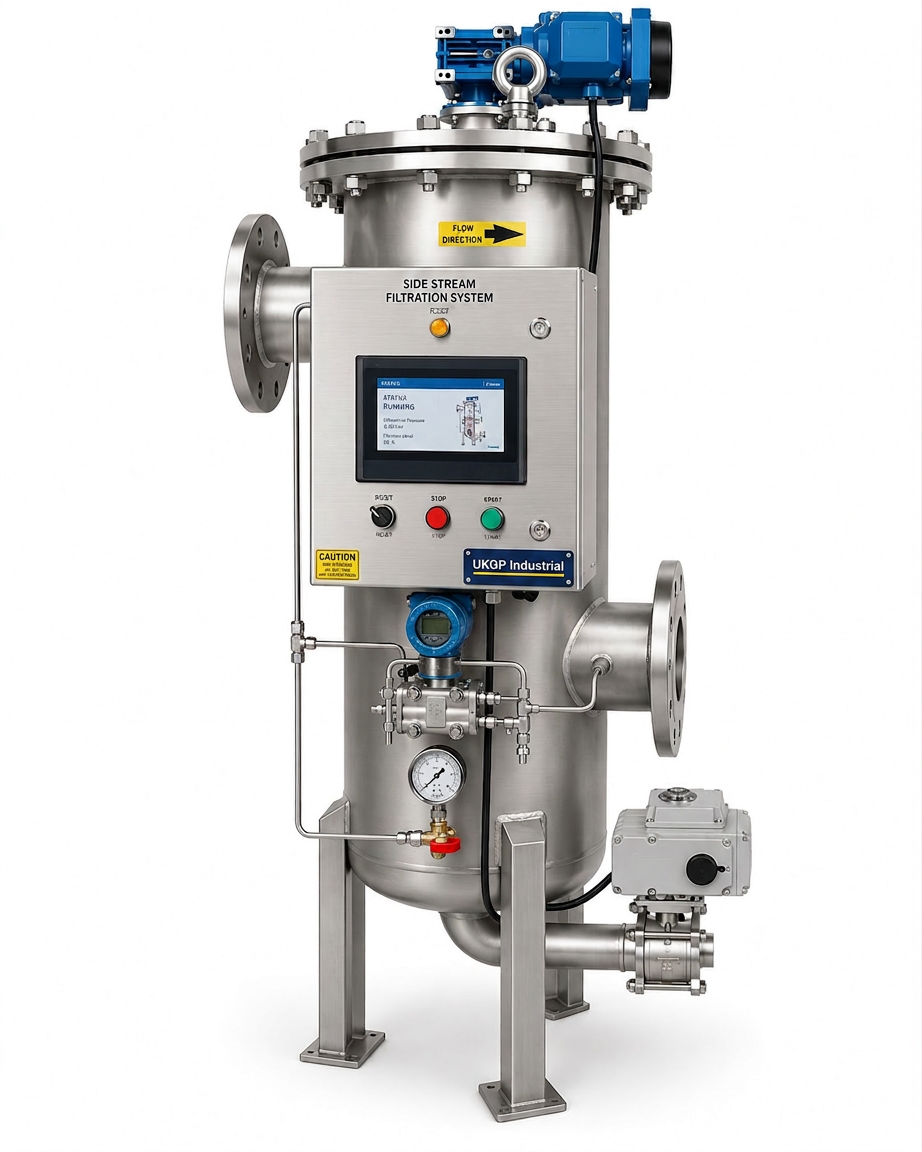
To effectively combat black sludge commercial heating contamination, UKGP Industrial recommends the installation of a dedicated side stream filtration skid. Unlike full-flow filters, which can cause significant pressure drops across the primary circuit, side stream units divert a portion of the flow (typically 5-15%) through a high-intensity magnetic core and a fine particulate filter. This continuous 'polishing' of the water ensures that as magnetite is generated through natural system wear, it is captured and removed before it can settle. Our made-to-order units are engineered specifically for the UK market, offering a robust solution that aligns with the maintenance requirements of modern high-efficiency condensing boilers and heat pumps.
Specifications for our side stream filtration skids accommodate a variety of system sizes, typically ranging from DN50 to DN100 connections. With pricing starting from £6,800+VAT, these skids represent a high-value investment for procurement leads looking to protect multi-million-pound plant assets. Each unit is assembled in the UK with a standard 6-8 week lead time and is backed by a comprehensive 2-year warranty, providing peace of mind for both contractors and end-users. By integrating a magnetic separator with a stainless steel housing and manual or automatic blow-down valves, the process of removing captured sludge becomes a simple maintenance task rather than a major system overhaul.
When selecting a filtration unit, it is vital to ensure it can handle the specific demands of your plant room. UKGP skids are designed for ease of integration into existing BMS (Building Management Systems), allowing for pressure differential monitoring that alerts engineers when a filter change is required. This proactive approach to black sludge commercial heating management ensures that the system always operates at peak hydraulic efficiency. For consultants writing specifications, including a side stream skid as a requirement in the design phase is the most effective way to ensure the long-term integrity of the building's HVAC infrastructure and compliance with BSRIA BG29 pre-commission cleaning standards.
- UKGP Side Stream Filtration skids available from £6,800+VAT for DN50-DN100 options.
- 6-8 week lead time for made-to-order units manufactured to rigorous UK standards.
- Includes a 2-year warranty covering all major structural and internal components.
- Reduces the frequency of system flushing and costly chemical refills over the plant lifecycle.
Protecting Plate Heat Exchangers from Blockages
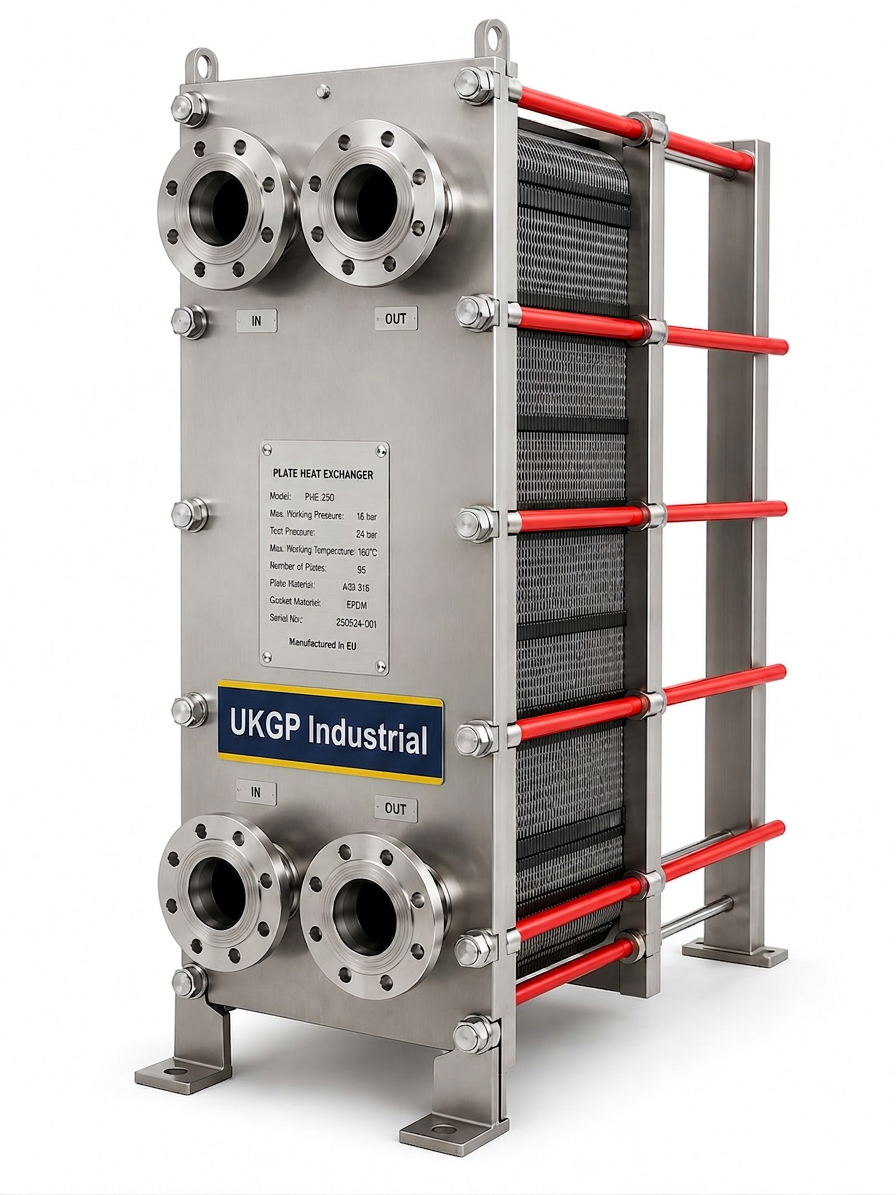
Plate Heat Exchangers (PHEs) are particularly vulnerable to the effects of black sludge commercial heating. Because the gaps between the stainless steel plates are often only a few millimetres wide, even a small accumulation of magnetite can lead to significant flow restrictions. This 'fouling' reduces the Reynolds number of the fluid, transitioning it from turbulent flow—which is necessary for efficient heat exchange—to laminar flow. When this happens, the delta T across the exchanger drops, and the primary heat source must consume more fuel to achieve the required secondary temperature, leading to a direct increase in operational overheads for the facility manager.
Regular maintenance and the use of high-quality components are essential to prevent the total failure of these units. If a PHE becomes completely blocked with magnetite, the process of 'Clean-In-Place' (CIP) becomes markedly more difficult and expensive. In some cases, the plates may need to be chemically dipped or even replaced entirely. By positioning a UKGP side stream filter upstream of the exchange point, you create a sacrificial collection point for the sludge, ensuring that the PHE surfaces remain clean and the heat transfer coefficient remains as high as the day it was commissioned. This is especially important in district heating schemes where multiple exchangers are in operation.
Beyond filtration, the material quality of the heat exchanger itself plays a role in system health. UKGP provides bespoke plate heat exchanger solutions designed to withstand the rigours of commercial heating environments. When paired with our air and dirt separators, these units help maintain the hydraulic equilibrium of the system. For contractors and procurement leads, sourcing these components as a package from a Surrey-based supplier ensures compatibility and provides a single point of technical support. Requesting a quote for a combined filtration and heat exchange package is an excellent way to ensure your project meets the energy performance criteria set out in the latest CIBSE guidelines.
- Magnetite fouling in PHEs leads to a significant drop in thermal transfer efficiency.
- Restricted flow through plates increases the back-pressure on circulation pumps.
- Bespoke PHE solutions available to match specific system flow rates and temperatures.
- Integration with air and dirt separators further enhances the lifespan of the exchanger.
Maintaining Chemical Levels with Dosing Pots
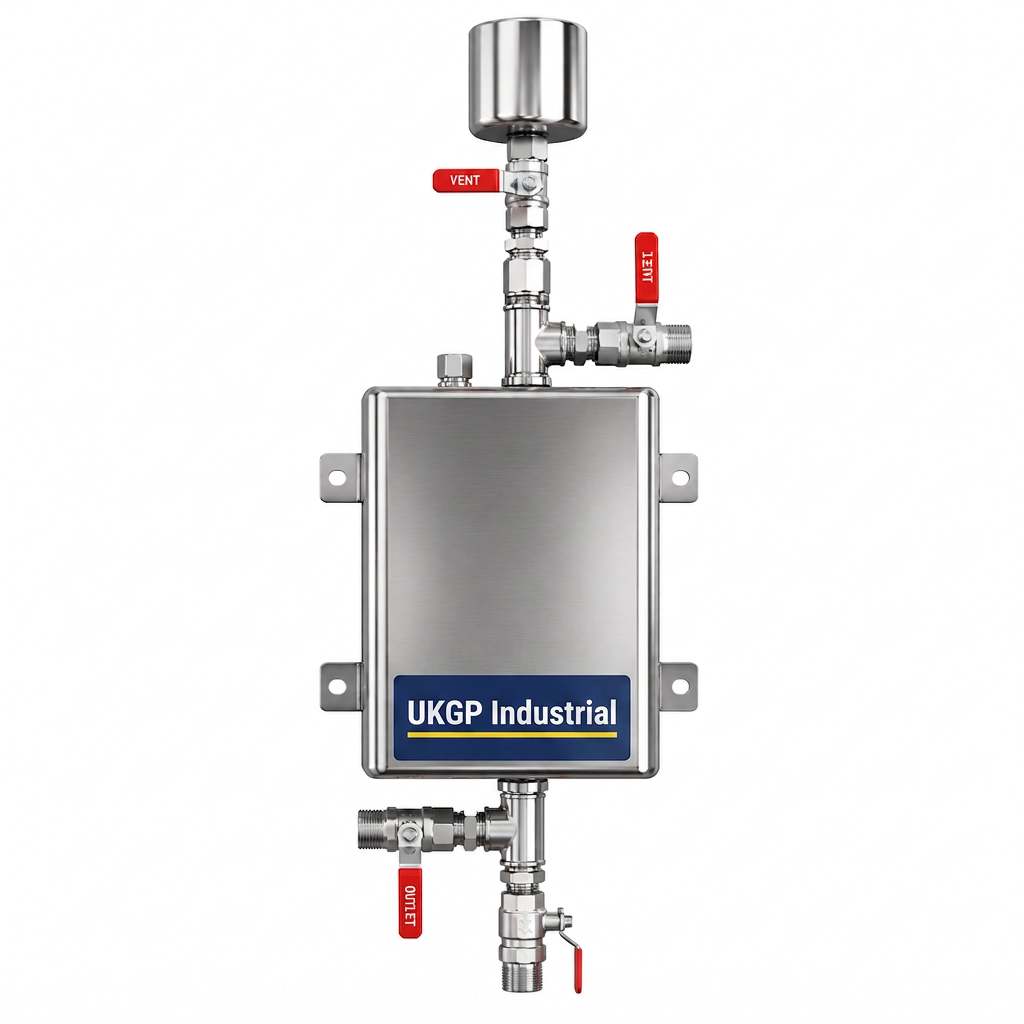
Chemical treatment is the second pillar of black sludge commercial heating prevention. According to BSRIA BG50, maintaining the correct concentration of corrosion inhibitors is vital to prevent the chemical reaction that creates magnetite. However, in many commercial buildings, the focus is often on initial dosing during commissioning (BG29), with subsequent maintenance neglected. This is where the installation of a stainless steel dosing pot becomes indispensable. These units allow for the safe and controlled introduction of liquid chemicals—such as molybdate or polymer-based inhibitors—into the system without the need to shut down the main pumps or depressurise the entire circuit.
A dosing pot should be installed across the flow and return headers to utilise the pressure differential, ensuring the chemicals are effectively swept into the main flow. Without this facility, facility managers often find it difficult to top up systems after minor leaks or maintenance work, leading to 'diluted' protection. Over time, this lack of inhibitor allows oxygen to react with the steel pipework, restarting the cycle of black sludge formation. Our dosing pots are engineered to be pressure-rated for commercial use and come with the necessary safety valves and filling tuns to ensure compliance with UK health and safety regulations regarding chemical handling.
For plant room engineers, regular water testing (every 3 to 6 months) as per BS 8552 is the only way to verify that the chemical dosing is effective. If testing reveals high levels of suspended solids or a drop in pH levels, it is a clear indicator that the system is at risk. By using a UKGP dosing pot in conjunction with our side stream filtration skids, you create a robust ecosystem that both prevents the physical formation of sludge and chemically inhibits the underlying corrosion process. This proactive management strategy is the most cost-effective way to avoid the five-figure costs associated with full system power flushing and component replacements in large-scale commercial buildings.
- Enables the safe introduction of inhibitors without interrupting plant operation.
- Essential for maintaining the chemical concentrations required by BSRIA BG50.
- Constructed from high-grade stainless steel for durability and corrosion resistance.
- Available in various capacities to suit the total water volume of the heating circuit.
The Impact of Air and Dirt Separation
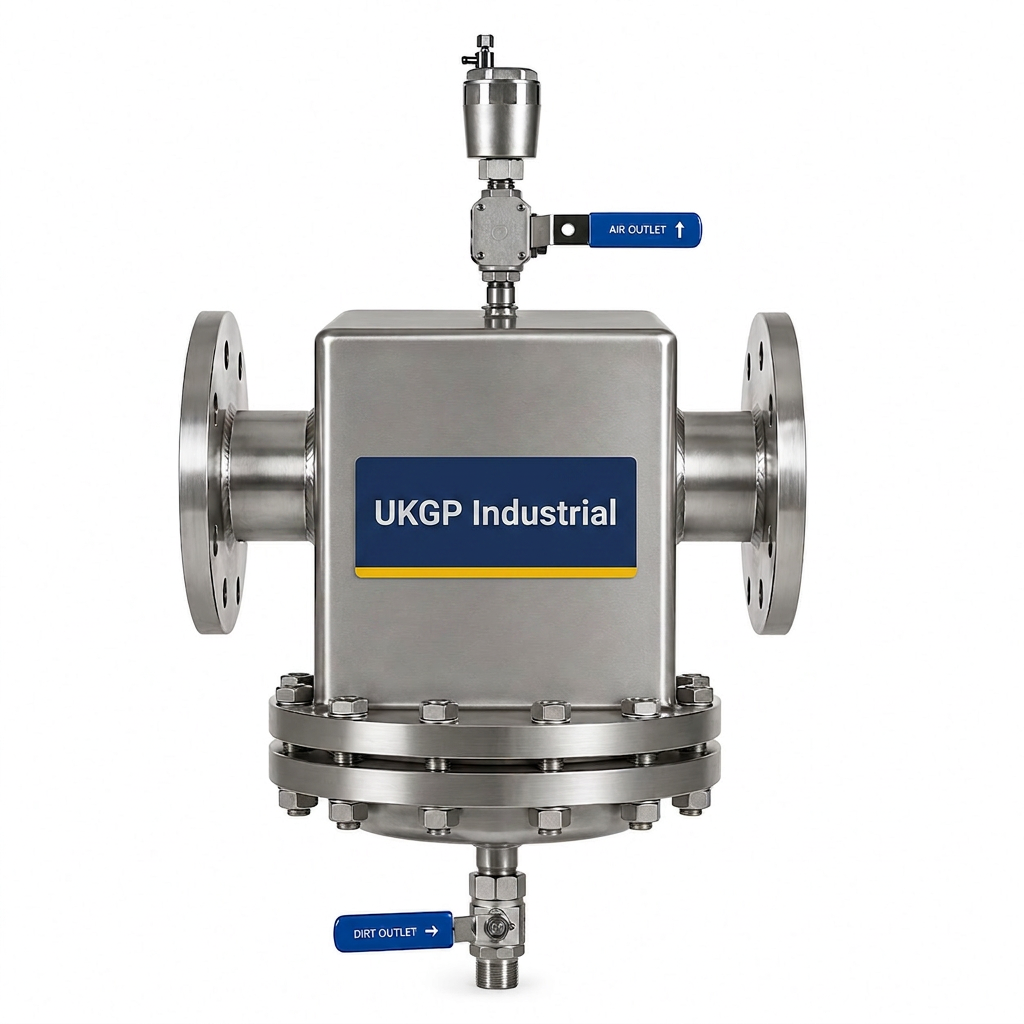
Microbubbles and dissolved air are the primary catalysts for the internal corrosion that generates black sludge commercial heating debris. When air enters a system—either through poor initial filling or via leaky pump glands—it provides the oxygen necessary for the oxidation of iron. Therefore, removing air is just as important as removing the physical sludge. High-efficiency air and dirt separators are designed to do exactly this, utilizing a pall ring or internal mesh to slow the water flow and allow air bubbles to rise to the top for venting, while heavier dirt particles sink to a collection chamber at the bottom for easy removal via a blow-down valve.
In a typical commercial plant room, these separators are the first line of defence. However, they are often sized incorrectly or placed in the wrong location. To be effective, an air separator should be placed at the point of highest temperature and lowest pressure, usually near the pump inlet or boiler outlet. When dirt and air are managed effectively at the source, the volume of black sludge commercial heating deposits that the side stream filter has to handle is greatly reduced. This prolongs the life of filter bags and reduces the manual intervention required by onsite maintenance staff, leading to a more streamlined and reliable HVAC operation that meets modern efficiency standards.
UKGP Industrial provides a range of air and dirt separators that complement our filtration skids. By ensuring that the system is properly degassed, you not only stop the formation of magnetite but also eliminate the noise and cavitation issues often associated with trapped air in commercial pipework. For engineers looking to specify a complete solution, combining these separators with our DN50 to DN100 filtration units ensures that the water quality meets the stringent standards required for warranty compliance by major boiler and chiller manufacturers. Contact our Surrey office to discuss the scaling of these components for your next project or refurbishment.
- Removes microscopic air bubbles that act as the primary catalyst for oxidation.
- Helps prevent pump cavitation and noisy operation in high-rise commercial buildings.
- Reduces the load on side-stream filters by capturing larger debris early.
- Essential for protecting modern high-efficiency heat exchangers and sensors.
Financial and Operational Benefits of Sludge Removal
From a commercial perspective, the cost of inaction regarding black sludge commercial heating is significantly higher than the cost of prevention. A system fouled with magnetite can see an increase in fuel bills by as much as 15% to 20% due to reduced heat transfer efficiency. For a large office block or hospital, this can translate to thousands of pounds in wasted energy every month. Furthermore, the unplanned downtime caused by a blocked boiler or a failed circulating pump can disrupt business operations and lead to emergency repair costs that far exceed the price of a UKGP side stream filtration skid, which starts at just £6,800+VAT.
Investment in high-quality filtration and water treatment also simplifies the life of the facility manager. Instead of reacting to complaints about cold rooms or noisy pipes, maintenance can be scheduled predictably. Our filters, with their 6-8 week lead time and 2-year warranty, provide a reliable asset that can be easily serviced during off-peak months. Furthermore, having a documented water treatment strategy that includes side stream filtration and the use of dosing pots makes it much easier to satisfy insurers and meet the requirements of any manufacturer warranties on primary plant equipment, which often mandate water quality standards as a condition of coverage.
Ultimately, removing black sludge in commercial heating systems is about sustainability and risk management. As the UK moves towards more stringent building regulations and carbon reduction targets, the role of hydraulic efficiency becomes paramount. By ensuring that your heating and cooling circuits are free from magnetite, you are not only saving money but also reducing the environmental impact of your building. UKGP Industrial is here to support UK building services consultants and contractors with technical expertise and high-quality British-made products that solve these challenges. Request a quote today to take the first step toward a cleaner, more efficient commercial heating system.
- Immediate reduction in energy consumption and carbon emissions.
- Protects expensive plant assets and maintains manufacturer warranties.
- Minimises emergency call-outs and unplanned system downtime for FM teams.
- Provides a clear audit trail for compliance with BSRIA and CIBSE recommendations.
Frequently asked questions
How can I tell if my commercial system has black sludge?
- Common signs include cold spots on radiators or heat exchangers, frequent pump failures, and a dark, tea-like or black appearance to water samples taken from the circuit. Sampling as per BS 8552 will provide a quantitative measure of suspended solids.
Why is side stream filtration better than a full-flow filter?
- Full-flow filters create a significant pressure drop across the entire system, requiring larger pumps and more energy. Side stream filtration cleans the water in a bypass loop, allowing for much finer filtration (down to 5 microns) without affecting the main system hydraulics.
What is the lead time for a UKGP filtration skid?
- Our side stream filtration skids are made to order in the UK with a typical lead time of 6-8 weeks. This ensures that the unit is built to your specific requirements, including connection sizes from DN50 to DN100.
Does your equipment come with a warranty?
- Yes, all UKGP Industrial side stream filtration skids and major components come with a 2-year warranty, reflecting our confidence in the build quality and durability of our British-made products.
Is chemical dosing alone enough to prevent magnetite?
- No. While inhibitors slow the corrosion process, they cannot remove existing sludge. Per BSRIA BG50, physical filtration is required to remove suspended solids, as these particles can physically strip the protective inhibitor film from the pipework.