The Fundamental Role of Hydraulic Decoupling
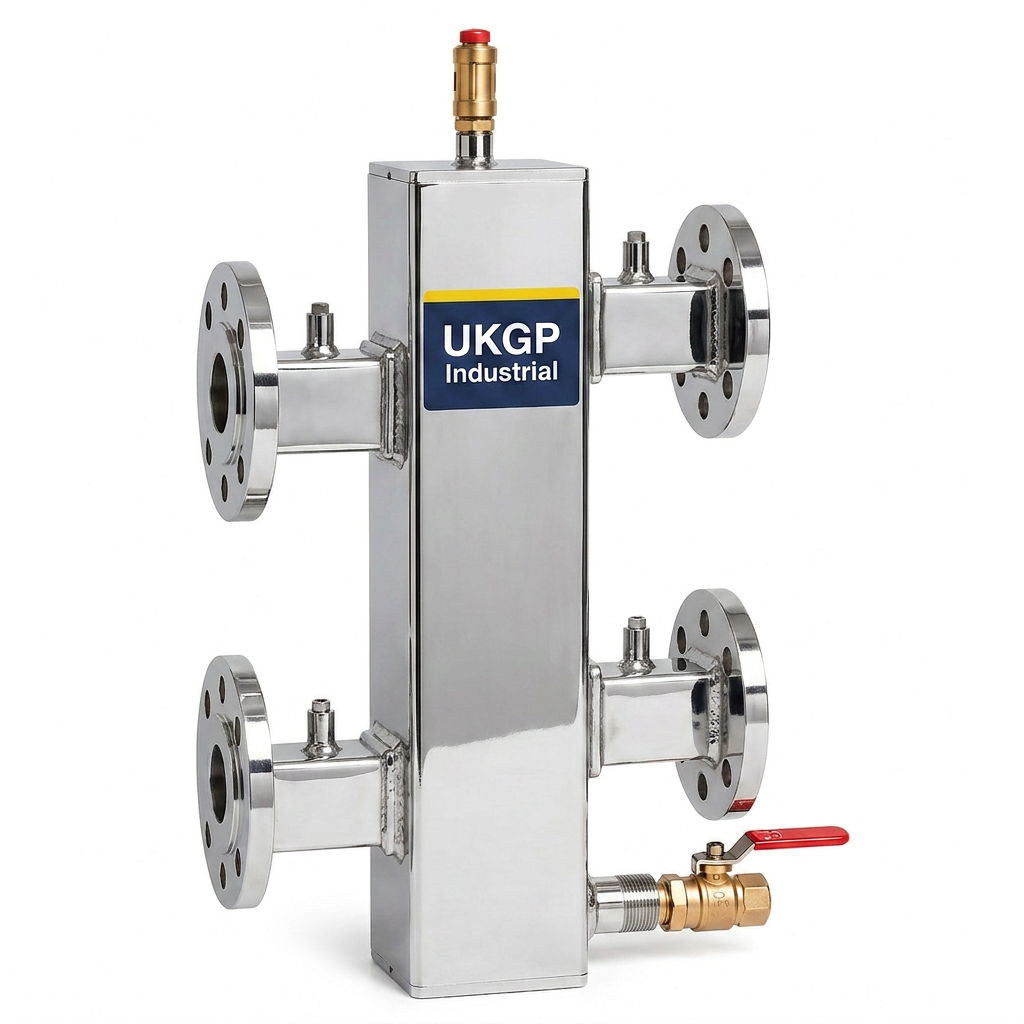
The primary function of a low loss header is to create a zone of negligible pressure drop, allowing the primary (generation) and secondary (load) circuits to operate independently. In modern plant rooms, particularly those utilising high-efficiency condensing boilers, the primary circuit requires a specific flow rate to prevent the heat exchanger from overheating or 'kettling'. Conversely, the secondary circuit often utilises variable speed drives (VSDs) on pumps to match fluctuating building loads. Without an LLH, these two circuits would be hydraulically linked, leading to situations where the secondary pumps could overcome the primary pumps, potentially pulling water backwards through an offline boiler.
By introducing a header with a large internal cross-sectional area, the fluid velocity is significantly reduced. This 'neutral' point ensures that the differential pressure between the flow and return headers is near zero. Consequently, the flow rate in the primary circuit is solely determined by the boiler shunt pumps, while the secondary flow is governed by the distribution pumps, satisfying both the manufacturer's flow requirements and the building's thermal demand.
- Prevention of pump conflict between boiler shunt pumps and secondary variable speed pumps.
- Protection of heat exchangers through the maintenance of a constant minimum flow rate.
- Simplification of control logic in multi-boiler cascades.
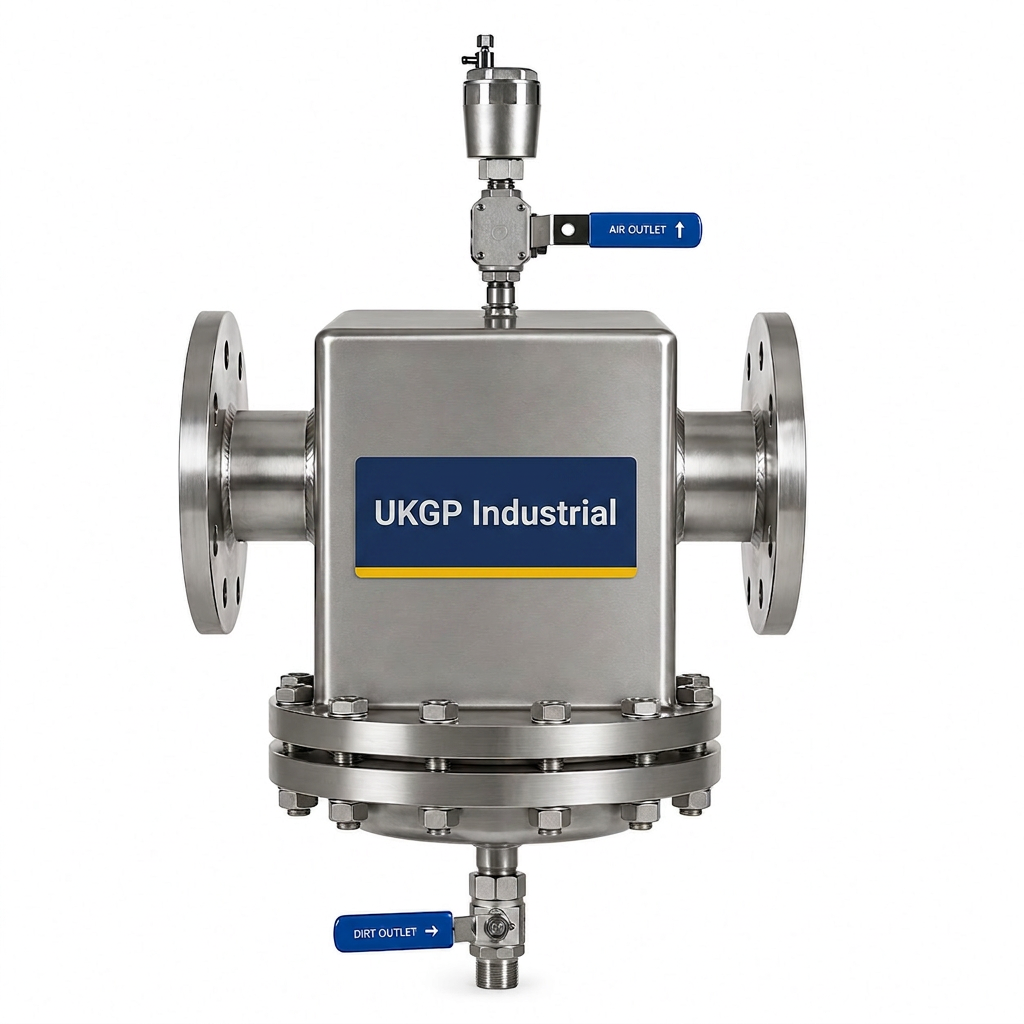
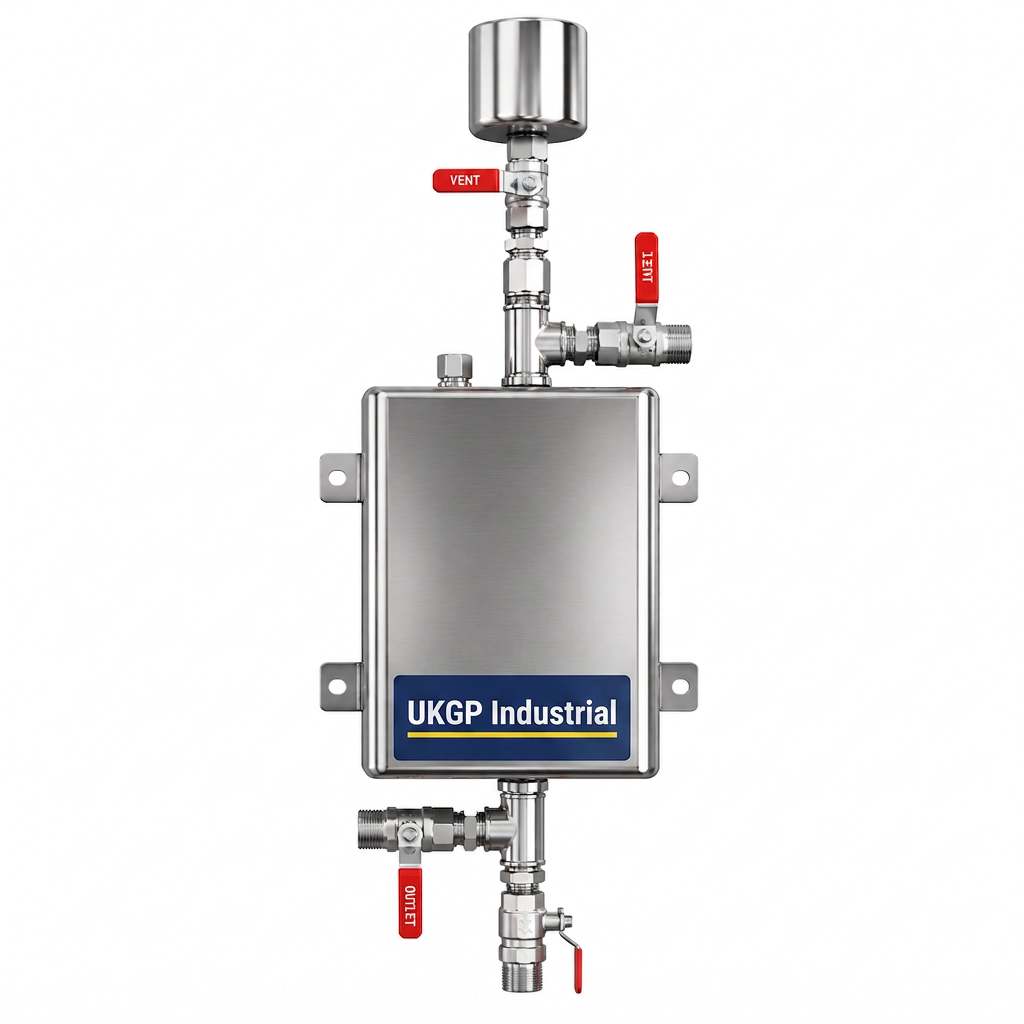
- Enhanced air and dirt separation due to the low-velocity zone within the vessel.
Operating Modes: Flow and Temperature Dynamics
A low loss header operates in three distinct states depending on the balance of flow. In a balanced state, primary and secondary flow rates are equal, and temperature transfer is direct. However, in a 'Primary > Secondary' state (common during low building demand), a portion of the hot flow water bypasses the secondary circuit and returns to the boiler. This can increase the return temperature, potentially taking the boiler out of its condensing range if not matched with burner modulation.
The 'Secondary > Primary' state occurs when the building demand exceeds the primary flow. Here, a portion of the secondary return water mixes with the primary flow. While this protects the boiler from excessive flow rates, it results in a lower mixed flow temperature to the emitters. Engineers must account for these temperature shifts during the commissioning phase, particularly when specifying flow temperatures for AHU bateries or radiant panels. System designers often refer to BSRIA BG29/21 and CIBSE AM14 to ensure these dynamics are handled through proper sensor placement, typically on the flow side of the header.
- Temperature mixing: Balancing primary flow (Tp) with secondary flow (Ts).
- Condensing performance: Ensuring return temperatures remain below 54°C.
- Variable Load Management: Managing three-port valve bypass or VSD modulation.
Frequently asked questions
Can a low loss header replace a plate heat exchanger?
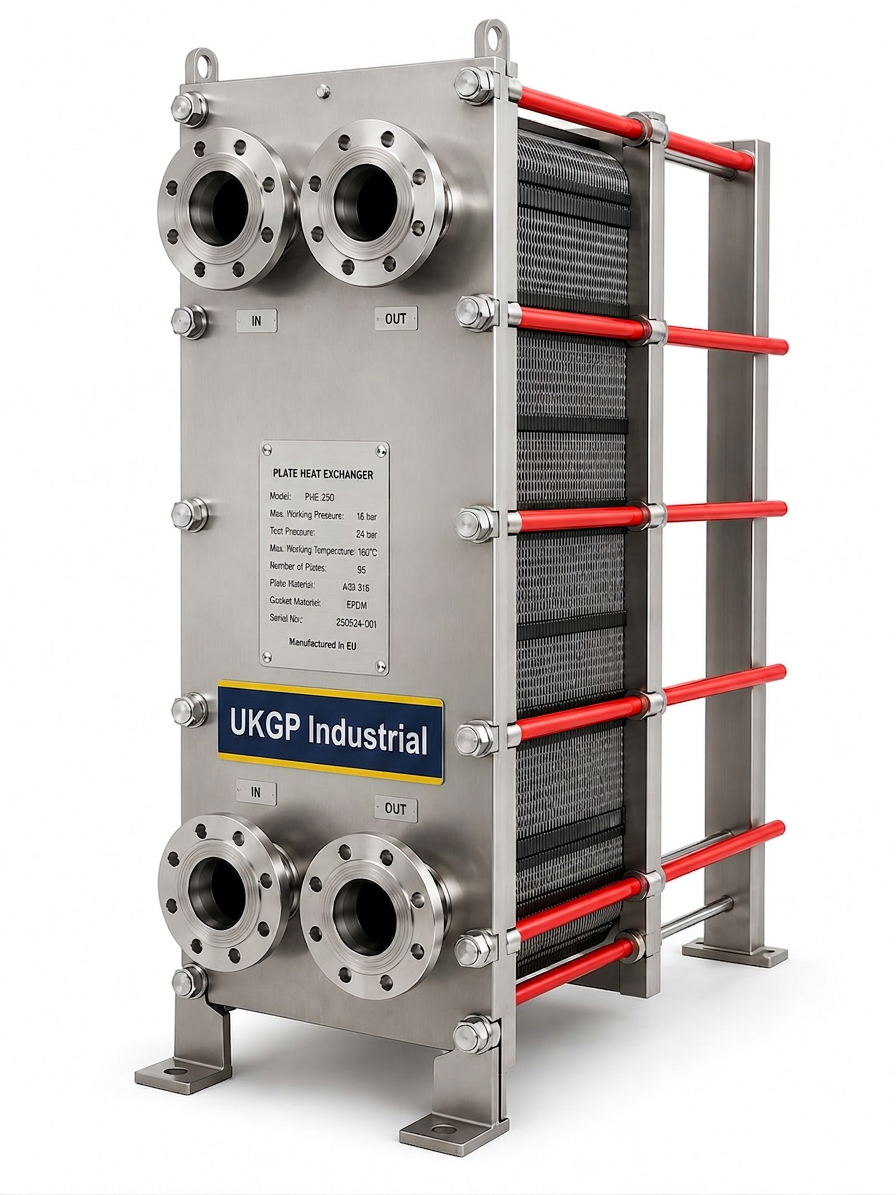
- No. A plate heat exchanger (PHE) provides physical separation to protect boilers from debris or high pressure, whereas an LLH provides only hydraulic separation. An LLH allows fluid to mix between circuits; a PHE does not.
What is the recommended maximum velocity within a header?
- For commercial applications, the vertical velocity within the header should generally not exceed 0.1 to 0.2 m/s to allow for effective air and dirt separation and to maintain the 'neutral' pressure point.
Where should the low loss header be located in the circuit?
- Ideally, the LLH should be installed as close to the primary heat source as possible to minimise the pressure drop in the primary circuit and ensure accurate temperature control.
What happens if the secondary flow rate exceeds the primary flow rate?
- If the secondary flow rate is higher than the primary, colder return water from the secondary circuit will mix with the flow, lowering the temperature delivered to the emitters and potentially causing the boilers to cycle or fail to meet setpoint.