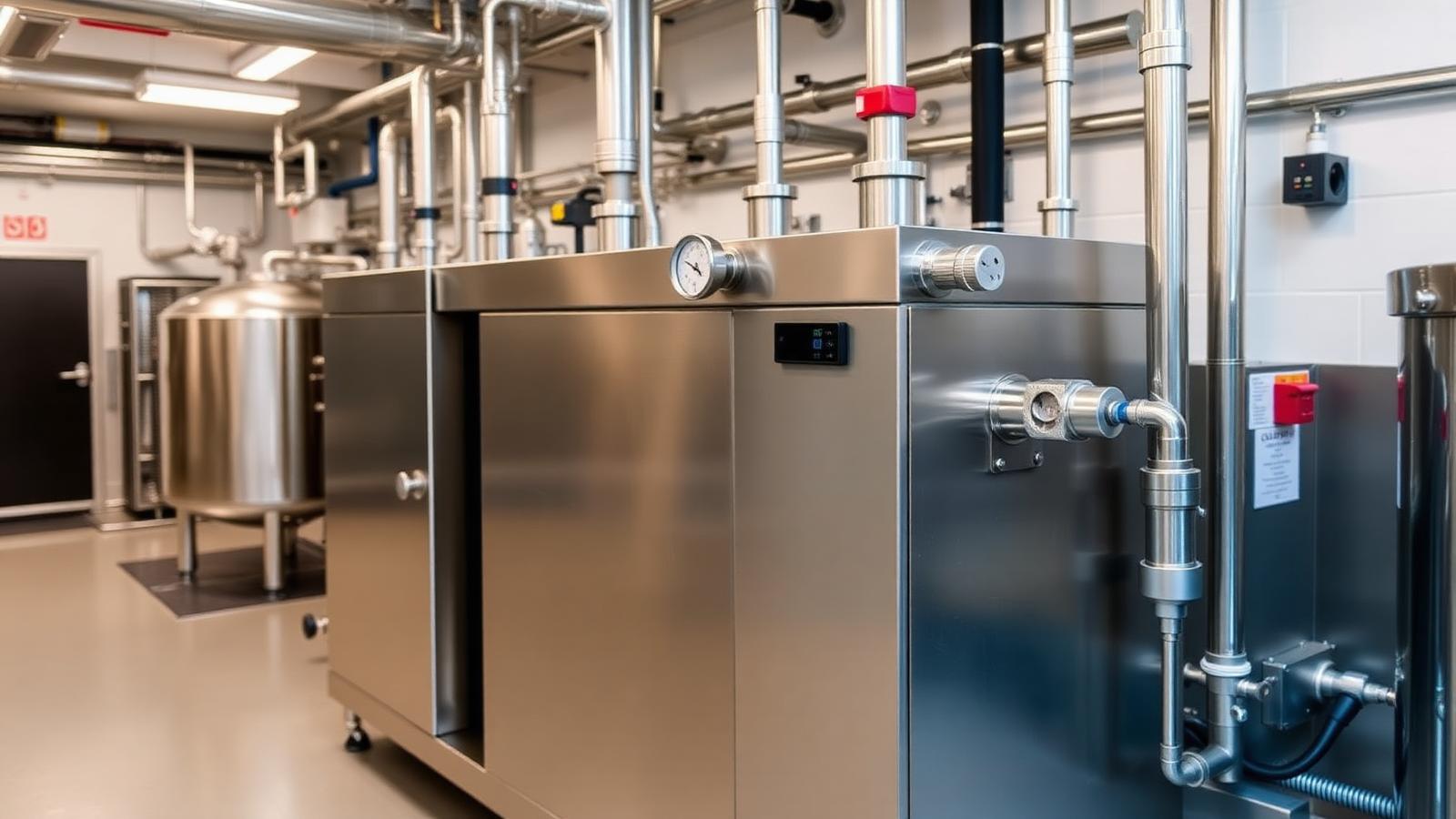
Routine Monthly Inspections and Monitoring
The primary maintenance task for any side stream filtration system is the monitoring of the pressure differential across the vessel. As suspended solids—predominantly magnetite and scale—are captured, the resistance to flow increases. For systems equipped with manual bag filters or depth-loading cartridges, a significant rise in pressure (typically 0.8 to 1.0 bar over the 'clean' state) indicates that the media has reached its holding capacity. Neglecting this leads to reduced flow and, eventually, the filter effectively being bypassed by the system's hydraulic logic.
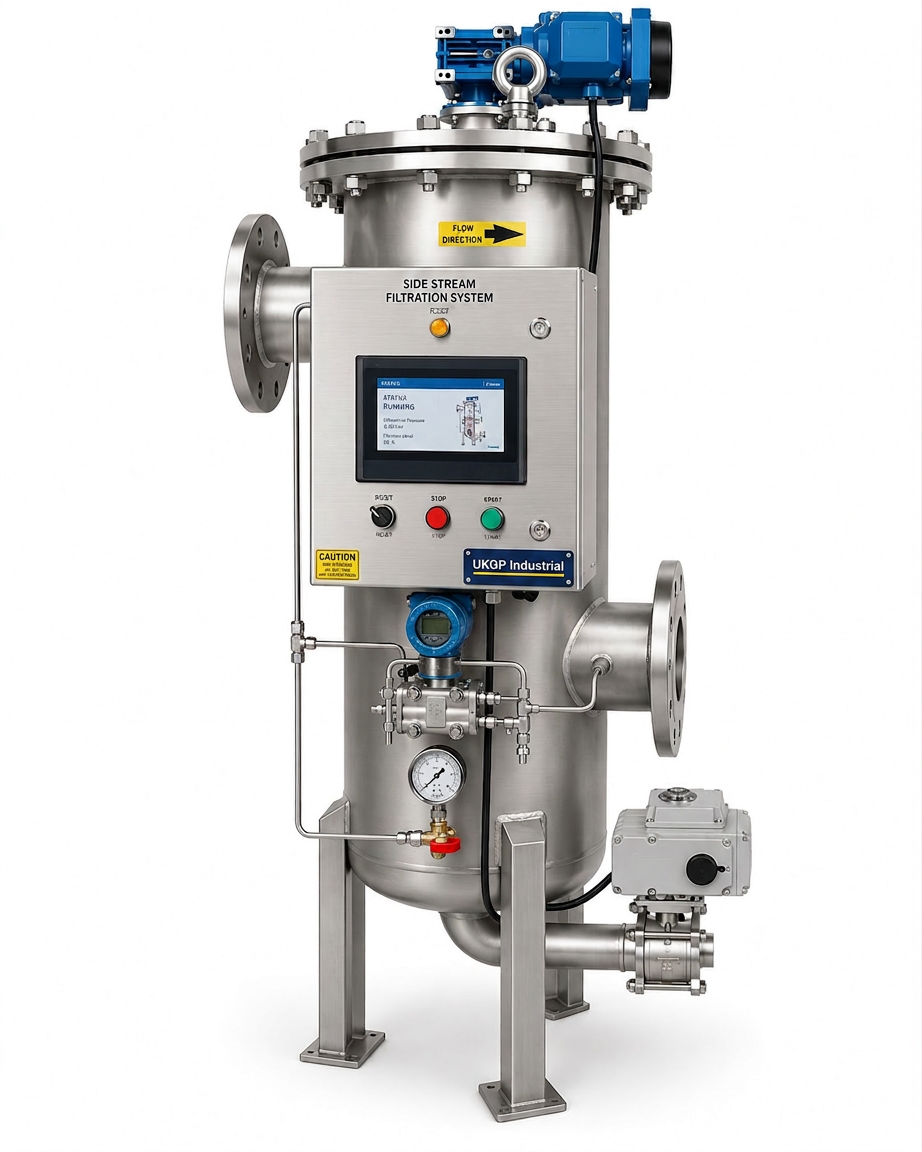
Monthly inspections should also involve a visual check of the water clarity via a sample point at the filter outlet compared to the inlet. If your system utilizes a UKGP side stream filtration skid, ensure the pump (if fitted) is operating within its design parameters and that the control panel shows no fault codes. Regular logging of these parameters helps in identifying systemic issues, such as sudden corrosion spikes or oxygen ingress, which would manifest as an accelerated rate of filter blinding.
- Check pressure differential (DP) gauges to assess loading.
- Inspect for external leaks at flange connections and valve glands.
- Verify flow rates via the integrated flow meter to ensure the design 5-15% circulation is met.
- Record the DP reading in the site logbook to track fouling trends.
Media Replacement and Component Cleaning
The frequency of media replacement is entirely dependent on the system's cleanliness. In a newly commissioned building following BSRIA BG29 pre-commission cleaning, the filter may require daily changes for the first week, moving to monthly or quarterly as the system stabilises. High-quality media, such as those used in the UKGP side stream filtration skid, are capable of capturing particles down to 5 microns, which is essential for protecting modern variable speed pumps with tight clearances.
Maintenance personnel must ensure that the filtration vessel is fully isolated and depressurised before opening the housing. When removing filter bags, it is laboratory-standard practice to inspect the captured 'sludge'. If the debris is exceptionally oily or contains large metallic flakes, it suggests issues with pump seals or inadequate chemical inhibition, requiring immediate investigation. Always lubricate O-rings with a WRAS-approved lubricant during reassembly to ensure a gastight seal and prevent oxygen ingress.
- Isolate the filtration skid from the main system using the inlet and outlet valves.
- Depressurise the vessel safely using the drain and vent valves.
- Remove the spent filter bag or cartridge and inspect the debris for signs of unusual corrosion.
- Clean the internal magnetic rod (if applicable) to remove fine magnetite particles.
- Install new media, ensuring seals are correctly seated to prevent bypass.
Electrical and Control Logic Verification
For automated side stream units, the control logic is as critical as the physical filter. Maintenance should include a functional test of the automated backwash cycle or the 'change filter' alarm. If the unit is interfaced with a BMS, engineers must trigger a test signal to confirm the head-end identifies a fault. This prevents the common scenario where a filter remains blinded for months because no one received the notification in the central control room.
Furthermore, the auxiliary pump—if specific to the filtration skid—requires local maintenance. Vibration analysis is rarely necessary for these smaller motors, but checking current draw against the rating plate can identify a failing bearing or a partially blocked impeller. Ensuring the pump is correctly matched to the system pressure is vital; otherwise, cavitation can occur, introducing unwanted air into the closed loop.
- Verify 240V/415V power supply and terminal tightness.
- Check the operation of the flow switch or differential pressure switch.
- Test any BMS (Building Management System) integration for 'filter blocked' or 'pump fail' alarms.
- Inspect pump mechanical seals for signs of weeping or crystallisation.
Annual Deep Maintenance and Water Testing
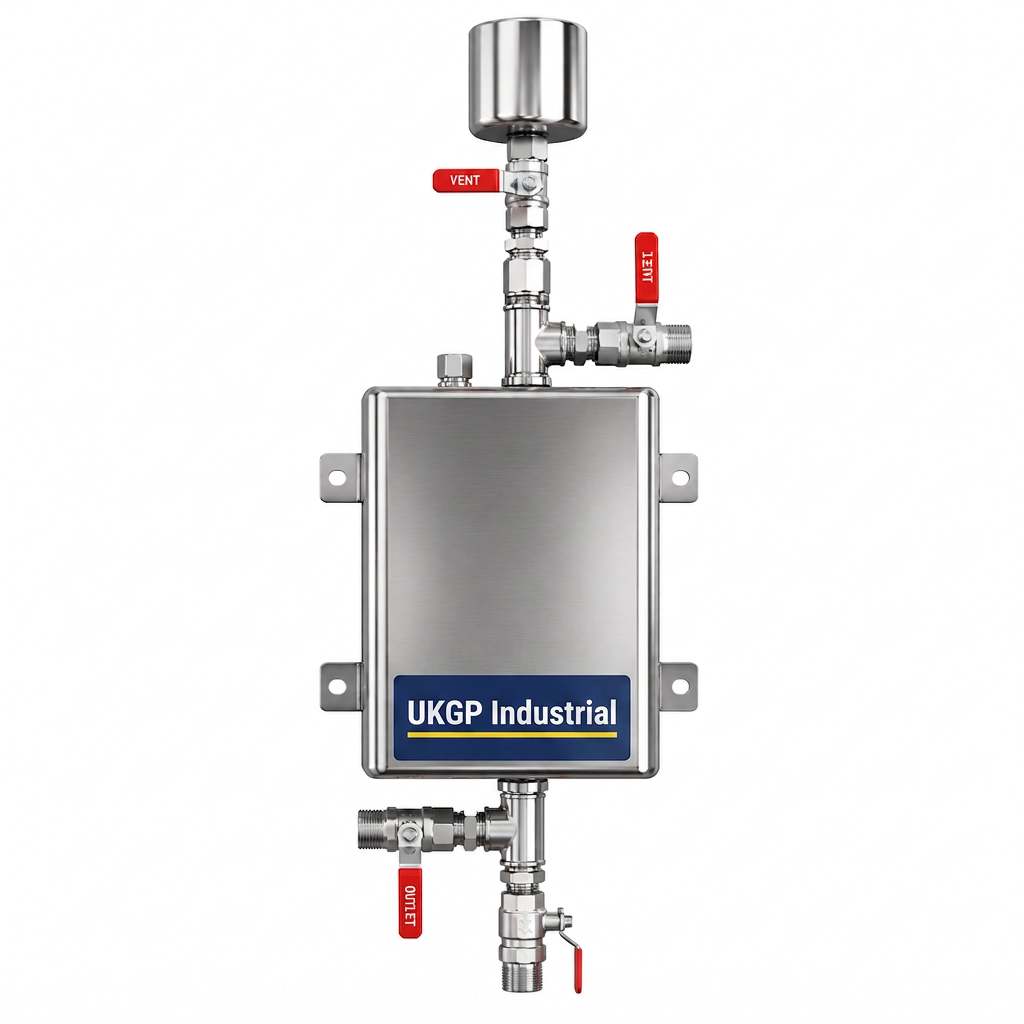
Once per year, the side stream filtration system should undergo a comprehensive overhaul. While the filter removes physical contaminants, it cannot correct chemical imbalances. Therefore, annual maintenance must align with a full water quality analysis. If the analysis shows high levels of dissolved iron despite an active filter, it indicates that the chemical's passivating layer has failed, and a UKGP chemical dosing pot should be used to bring inhibitor levels back to the manufacturer's recommended PPM.
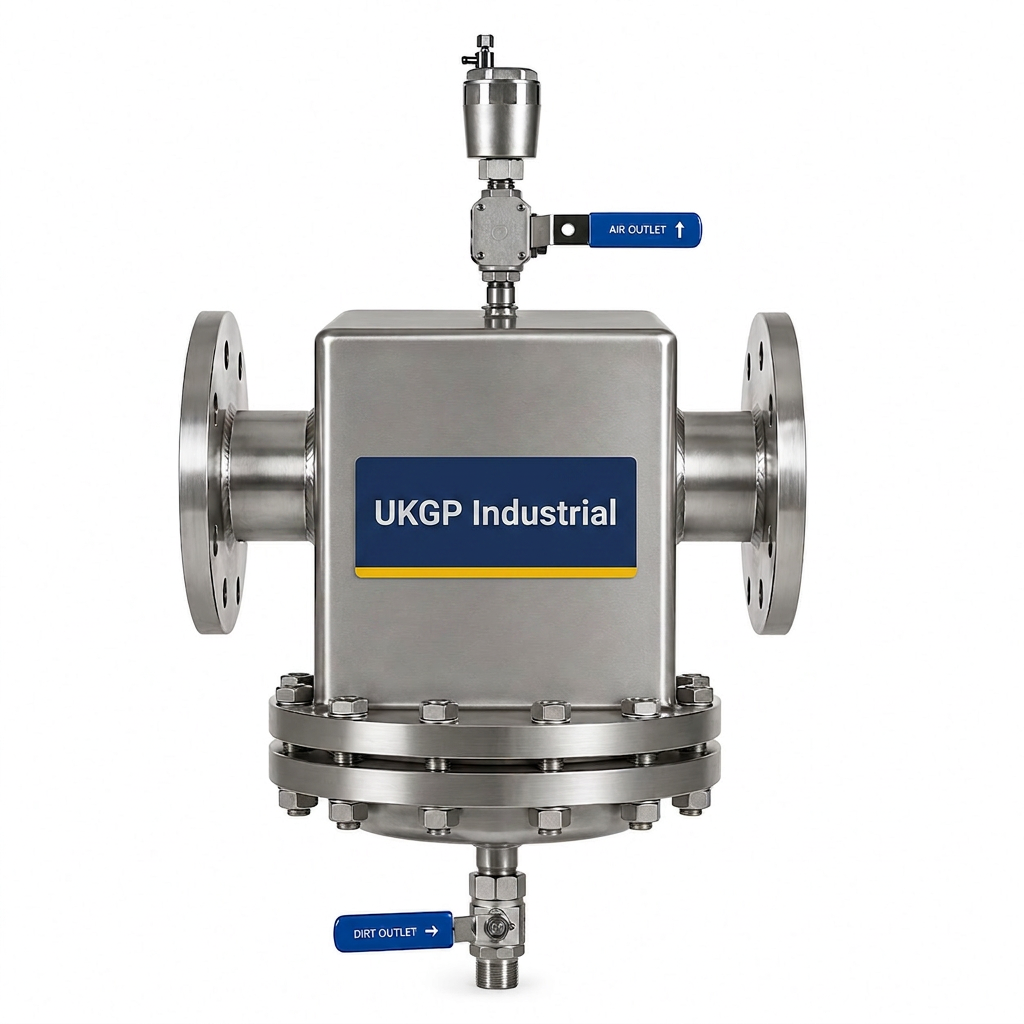
During the annual shutdown, the filter vessel should be opened and the internal surfaces inspected for pitting or microbial growth (SRB/NRB). If biofilm is present, a biocidal shock dose may be required. This is also the appropriate time to verify the integrity of the air vents and drain valves. A failed air vent on top of a filter housing can become a point of air ingress, which actively promotes the corrosion the filter is designed to mitigate.
- Annual chemical analysis of the system water (pH, conductivity, inhibitor levels).
- Full drain-down and internal scrub of the filter vessel.
- Replacement of all gaskets and O-rings.
- Recalibration of pressure gauges and flow meters.
Integration with Secondary Protection Devices
Side stream filtration is the 'fine' polishing stage of a multi-tier protection strategy. It must work in tandem with primary protection devices. For example, UKGP air & dirt separators located on the main flow will capture larger debris and micro-bubbles, reducing the load on the side stream unit. Maintenance of the side stream skid should, therefore, include a quick check of these primary separators to ensure the blow-down valves are functional.
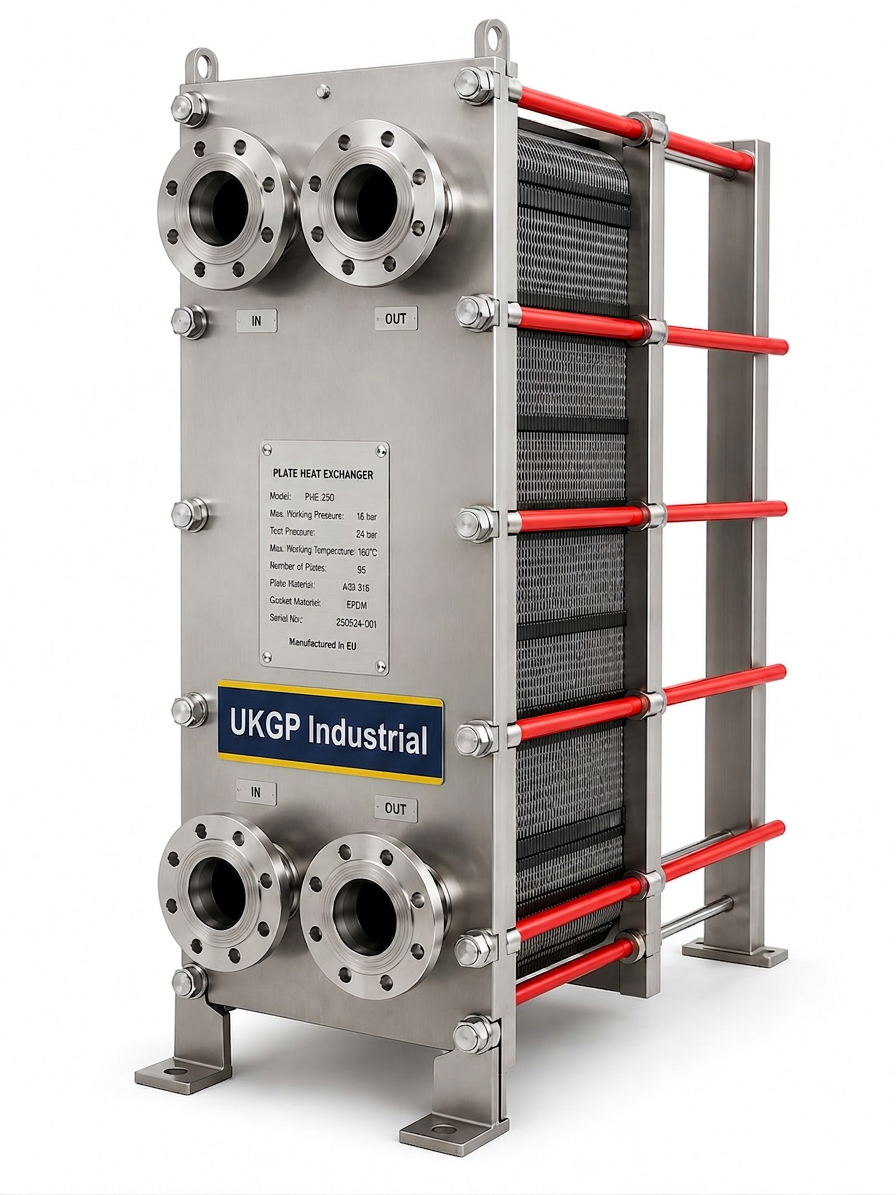
Finally, engineers must consider the equipment being protected. If the side stream filter is consistently loading with calcium carbonate, the UKGP plate heat exchanger on the circuit may be at risk of bridging. Maintenance is not just about the filter itself; it is about using the filter as a diagnostic tool for the entire HVAC network. Consistent, recorded maintenance ensures the building operates at peak thermodynamic efficiency, reducing carbon output and preventing costly emergency call-outs.
- Check the primary-side dirt separator for heavy grit.
- Inspect the UKGP plate heat exchanger for scale or particulate fouling.
- Review the logbook to correlate filter changes with any system pressure fluctuations.
Frequently asked questions
How often should side stream filters be checked?
- While manual cleaning intervals change based on water quality, the pressure differential gauges must be checked weekly during the first month of operation, and monthly thereafter. A full internal inspection should be performed annually.
What is the recommended flow rate for side stream filtration?
- BSRIA BG50 recommends that side stream filtration should typically treat 5-15% of the total system volume per hour to maintain suspended solid levels below 5mg/L.
At what pressure differential should I service the filter?
- A pressure drop increase of 0.8 to 1.0 bar across the filter media usually indicates that the unit requires a backwash or manual bag/cartridge replacement.
If I have a side stream filter, do I still need a chemical dosing pot?
- Chemical dosing is complementary. The filtration removes the physical debris that can shield bacteria or cause under-deposit corrosion, while chemicals provide the passivating layer or biocidal control. One does not replace the other.