The Critical Role of Water Quality in Healthcare
Hospital HVAC systems are often sprawling, complex networks that have undergone decades of extensions and modifications. These expansive systems are prone to internal corrosion and the buildup of magnetite—a black, abrasive iron oxide. In a clinical setting, even a minor drop in heat transfer efficiency can lead to insufficient environmental control in critical areas. Furthermore, suspended solids act as a catalyst for Microbially Influenced Corrosion (MIC).
BSRIA BG50 (Water Treatment for Closed Heating and Cooling Systems) emphasises that mechanical filtration is as vital as chemical treatment. In healthcare, where downtime for system flushing is rarely an option due to 24/7 occupancy, side stream filtration provides a continuous 'polishing' effect. By diverting a percentage of the total flow through a media or bag filter, the system incrementally removes suspended solids down to sub-micron levels, ensuring the water remains within the strict parameters required for modern high-efficiency plant.
- Protection of high-efficiency 'lean-burn' condensing boilers with narrow internal waterways.
- Prevention of silt accumulation in terminal units such as fan coil units (FCUs) and radiant panels.
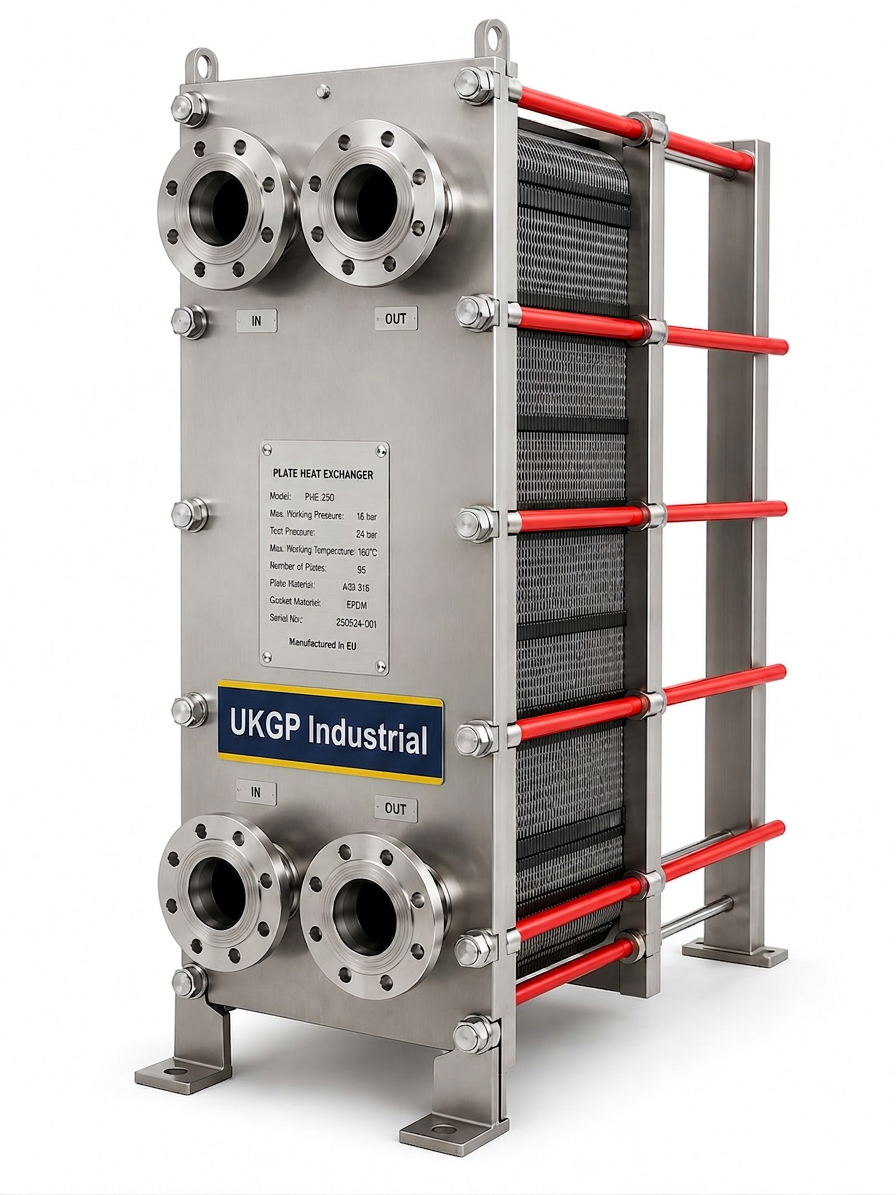
- Maintenance of heat transfer coefficients in plate heat exchangers (PHEs).
- Reduction in bacterial growth risks, including Pseudomonas and Legionella, by removing the 'sludge' that provides a habitat for biofilms.
Hydraulic Design and Placement Strategy
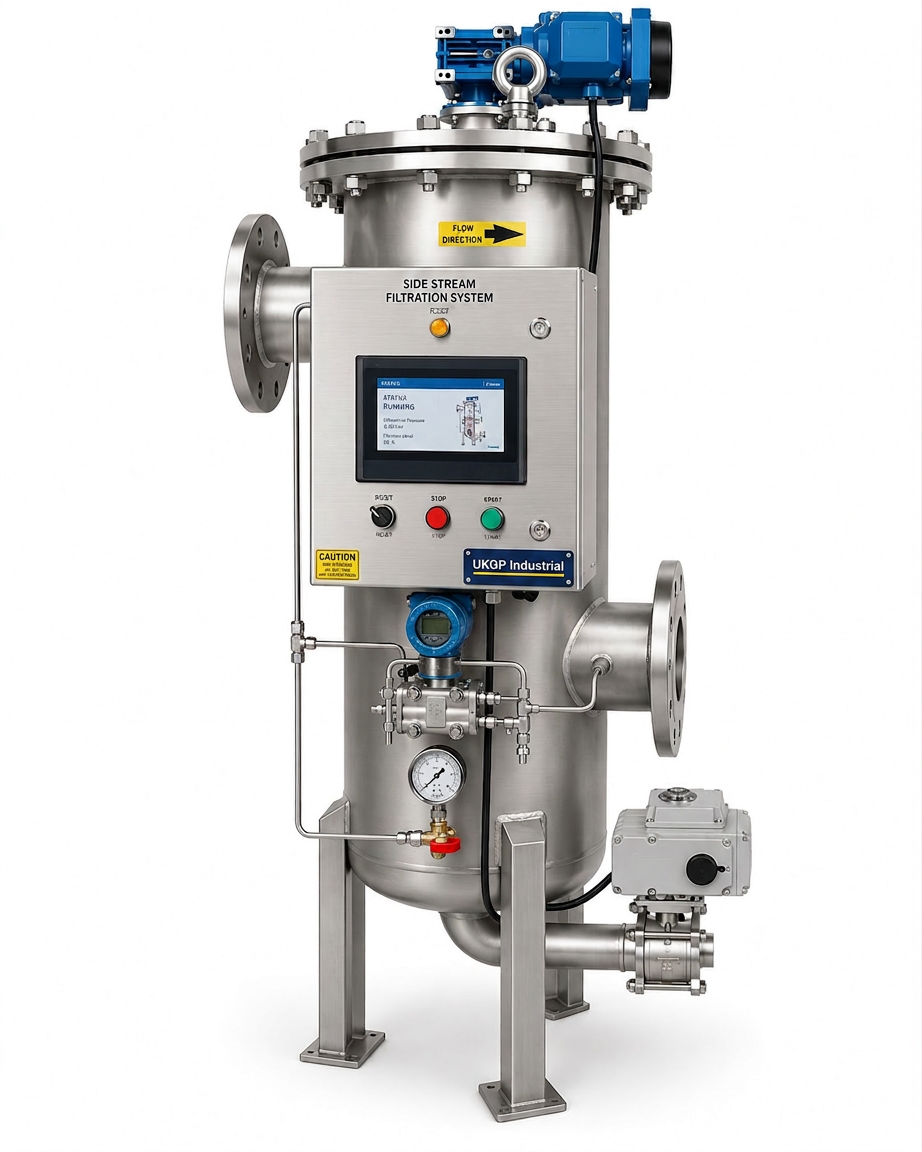
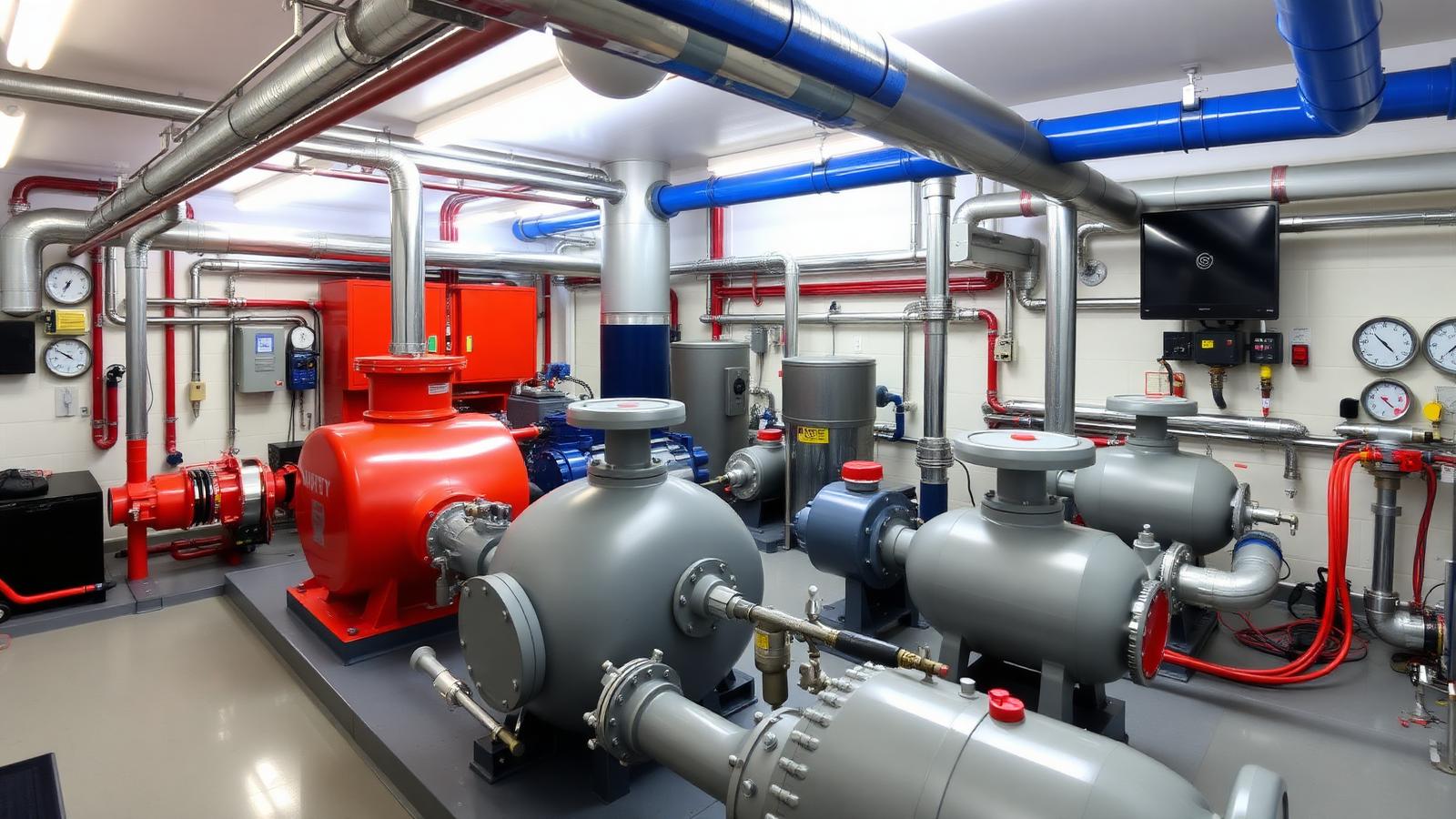
The fundamental principle of side stream filtration is to filter a portion of the circulating fluid—typically between 5% and 15%—rather than the full flow. This approach avoids the massive pressure drops associated with full-flow filtration, which would necessitate significantly larger pumps and increased energy consumption. For hospital plant rooms, the UKGP side stream filtration skid is often specified because it provides a self-contained, compact solution that can be retrofitted with minimal disruption to the primary circuit.
Correct placement is essential for maximum efficacy. The filtration loop should ideally be installed across the flow and return headers, where the pressure differential (delta P) is highest, or via a dedicated secondary pump circuit. It is common practice to locate the intake for the filtration unit on the return leg, prior to the fluid entering the primary heat generators or chillers. This ensures that the most sensitive equipment is protected from debris returning from the building's terminal units.
Comparing Filtration Media: Bags vs. Sand vs. Cartridges
Specifiers must choose between several filtration technologies based on the specific needs of the hospital site. Bag filters are highly popular in UK plant rooms due to their high dirt-holding capacity and ease of maintenance. They are available in various micron ratings, typically starting at 50 microns for initial system clean-up and moving down to 5 or 1 micron for ongoing maintenance. The ability to swap bags quickly without a total system shutdown is a key advantage for hospital facilities managers.
High-speed glass or sand media filters offer automated backwashing capabilities, reducing the manual labor required for maintenance. However, they require a waste-water connection and backwash storage, which may not always be available in cramped basement plant rooms. For many healthcare refurbishments, the manual bag filter approach within a UKGP side stream filtration skid provides the most cost-effective and space-efficient balance, requiring only periodic inspection and minimal water loss during media changes.
Integration with Chemical Dosing and Air Separation
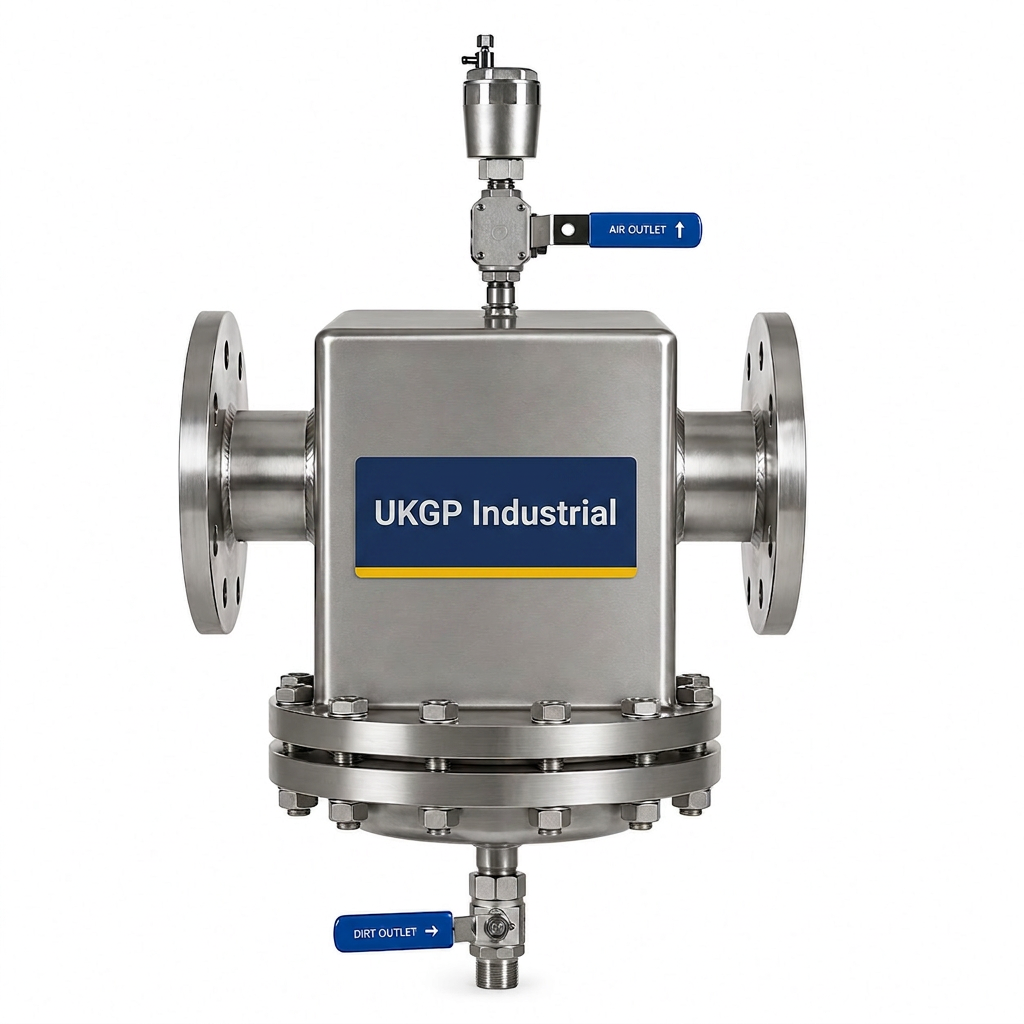
Mechanical filtration is one pillar of a three-pronged strategy for system health; the other two are air separation and chemical conditioning. Oxygen is the primary driver of corrosion; therefore, removing micro-bubbles is essential to prevent the formation of new magnetite. Installing UKGP air & dirt separators at the point of lowest solubility (the hottest point on heating systems and the coldest on chilled) works in tandem with the side stream filter to remove both gasses and heavy particulates.
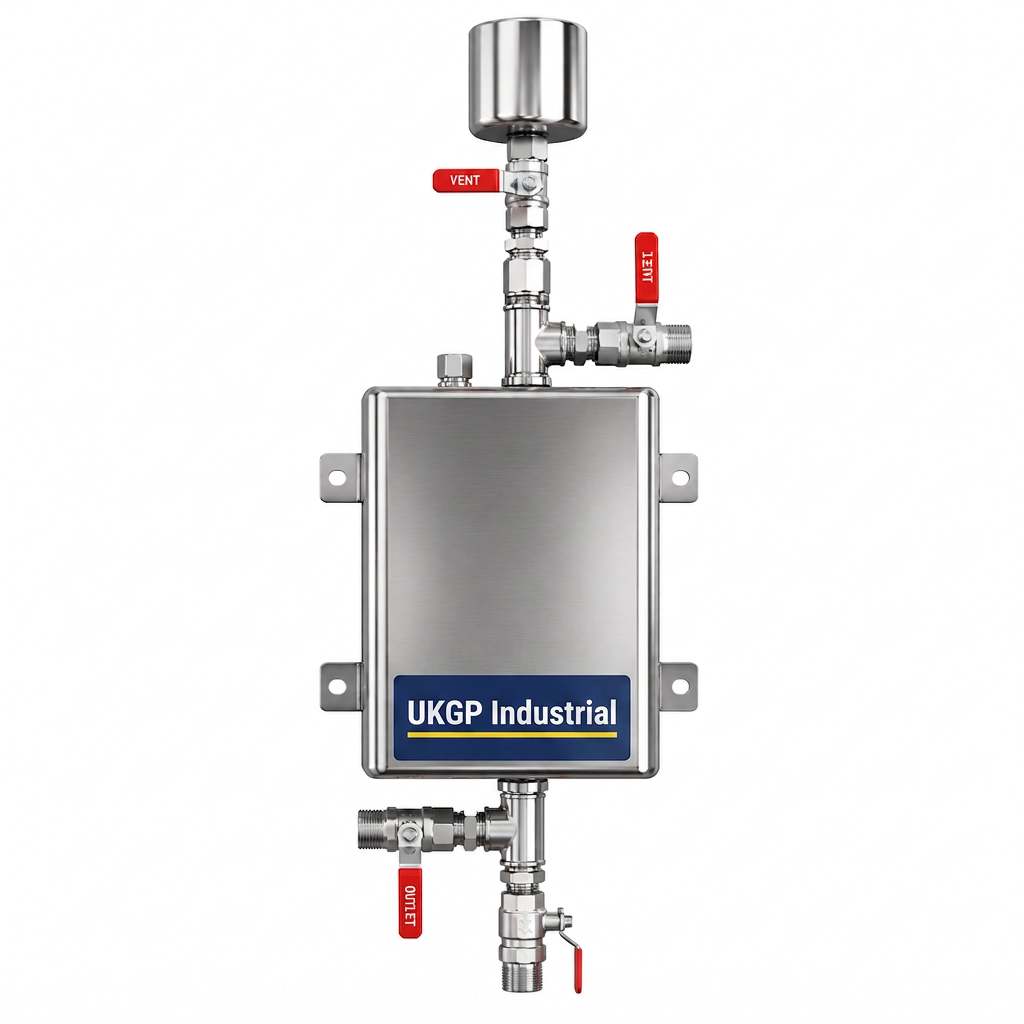
Chemical dosing remains a requirement under BG29/21 to maintain inhibitor levels and control pH. Many engineers choose to install UKGP chemical dosing pots alongside the filtration skid. This allows for a streamlined maintenance routine where the water chemistry is checked and adjusted at the same time the filter bags are inspected. By integrating these components, the 'suspended' solids are removed by the filter, while the 'dissolved' protection is maintained by the dosing pot, providing a comprehensive defense against system degradation.
Maintenance Protocols and Compliance Reporting
For hospitals, maintenance records are not just operational logs; they are compliance documents. Facilities managers must be able to demonstrate that they are following BSRIA BG50 to ensure the longevity of the building's assets. A blocked side stream filter is effectively useless, so the use of differential pressure monitoring is mandatory. Modern skids can be linked to the Building Management System (BMS) to trigger an alarm when the filter requires attention.
When a UKGP side stream filtration skid is serviced, the removed debris should be inspected. The presence of large flakes may indicate ongoing active corrosion, whereas fine black 'ink' suggests the system is in a stable maintenance phase. This visual feedback, combined with regular water analysis (e.g., checking iron levels, molybdate, and TVC), allows the building services engineer to fine-tune the water treatment regime and prevent catastrophic failures of expensive plant such as high-output boilers or bespoke UKGP plate heat exchangers.
- Daily: Visual check of differential pressure (DP) gauges.
- Weekly/Monthly: Manual blowdown of the filter vessel to remove settled sludge.
- As required: Replacement of filter bags when DP exceeds the manufacturer’s recommended threshold (usually 0.8 to 1.5 bar).
- Annually: Calibration of DP sensors and inspection of all valves and pump seals.
Energy Efficiency and Life Cycle Value
The capital expenditure of a high-quality side stream filtration system is often recouped within the first two to three years of operation through energy savings alone. Even a 1mm layer of scale or magnetite on heat exchanger surfaces can reduce heat transfer efficiency by up to 10%. In a hospital with multiple MW of boiler capacity, this translates to thousands of pounds in wasted fuel and significantly higher carbon emissions.
Furthermore, the preventative nature of side stream filtration extends the life of secondary pumps, control valves, and sensors. By keeping the system 'clean' according to the standards of BSRIA BG29/21, the hospital avoids the massive costs associated with reactive repairs and the clinical risks of unplanned shutdowns. For the consultant and contractor, specifying a robust, British-engineered filtration solution is an investment in the long-term reliability of the healthcare infrastructure.
Frequently asked questions
What is the recommended flow rate for side stream filtration in a hospital?
- BSRIA BG29/21 recommends a flow rate of 5-15% of the total system circulation rate for side stream filtration to ensure effective debris removal without disrupting system hydraulics.
Can I use an air and dirt separator instead of side stream filtration?
- While separators are excellent for heavy debris, side stream filtration (SSF) is required for microscopic suspended solids and magnetite. In a hospital, the high stakes of heat exchanger fouling mean both types of protection are usually required.
How do I know when the filter media needs changing?
- Filtration units should be monitored via differential pressure gauges. A significant rise in pressure indicates the filter media or bag is saturated and requires replacement/cleaning.
Can side stream filtration be integrated with chemical dosing?
- Yes, modern skids often feature a modular design where the chemical dosing pot is integrated or installed adjacent, allowing for simultaneous mechanical cleaning and chemical conditioning.