The Thermal Impact of Non-Insulated Headers
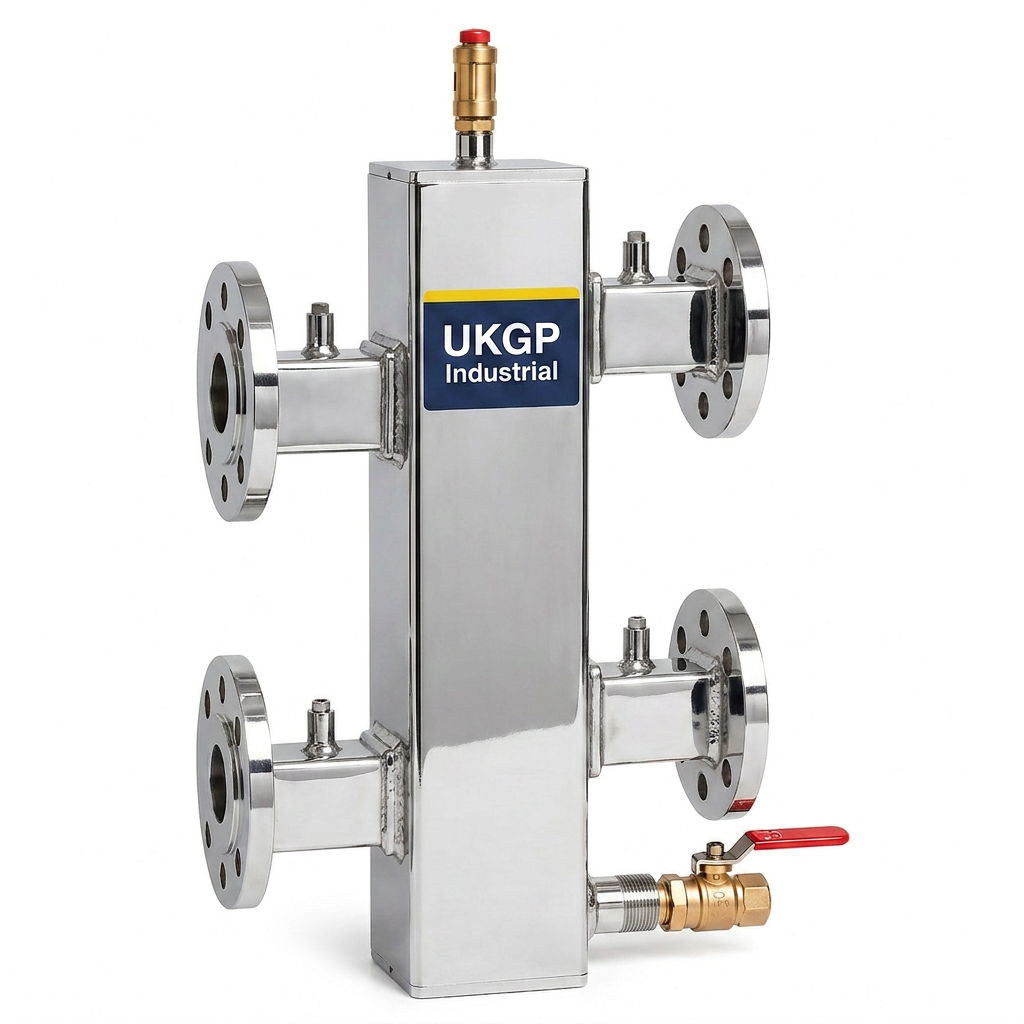
A low loss header represents a significant surface area of uninsulated metal within a plant room. Without high-specification insulation, a standard vertical header can act as a radiator, dissipating several kilowatts of energy directly into the plant room environment. This not only decreases the overall Seasonal Energy Efficiency Ratio (SEER) of the building but also leads to overheating of sensitive electronic controls and pumps.
From a hydraulic perspective, heat loss through the vessel wall can cause a drop in the mean temperature of the water before it reaches the secondary headers. This forces the BMS to ramp up primary flow temperatures, potentially pushing the system out of the condensing range. For engineers following CIBSE AM14 (Non-domestic hot water heating systems), maintaining strict temperature differentials is paramount, and the LLH is a primary point where these differentials can be eroded.
- Prevention of sensible heat loss in high-duty commercial systems (typically 50kW to 2MW+).
- Protection against high surface temperatures for plant room personnel (Health and Safety at Work Act).
- Ensuring the return water temperature remains low enough to facilitate condensing in high-efficiency boilers like those from Vaillant or Viessmann.
- Condensation control in dual-purpose (heating and cooling) hydraulic circuits.
Material Selection and Specification
The selection of insulation material must align with BS 5422:2023, which specifies the economic thickness of insulation for non-domestic services. For most UK commercial heating applications, fire performance is a critical decider; materials should typically meet Class O fire rating requirements. Phenolic foam remains the industry standard for rigid installations due to its high thermal resistance per mm of thickness.
When specifying insulation for UKGP Industrial products, engineers must consider the geometry of the vessel. Large flanged headers require precision-cut sections or bespoke jackets to ensure there are no thermal bridges at the flange connections or support legs. A common failure point is the 'chimney effect,' where gaps at the base of the insulation allow cold air to rise against the hot vessel surface, significantly reducing the effective R-value of the system.
- Phenolic Foam: Offers the lowest thermal conductivity (approx. 0.025 W/m.K) and is ideal for space-restricted plant rooms.
- Mineral Wool: Suitable for high-temperature process applications but requires robust cladding to prevent moisture ingress.
- Closed-cell Nitrile Rubber (NBR): Preferred for chilled water or dual-purpose headers to provide an integral vapour barrier.
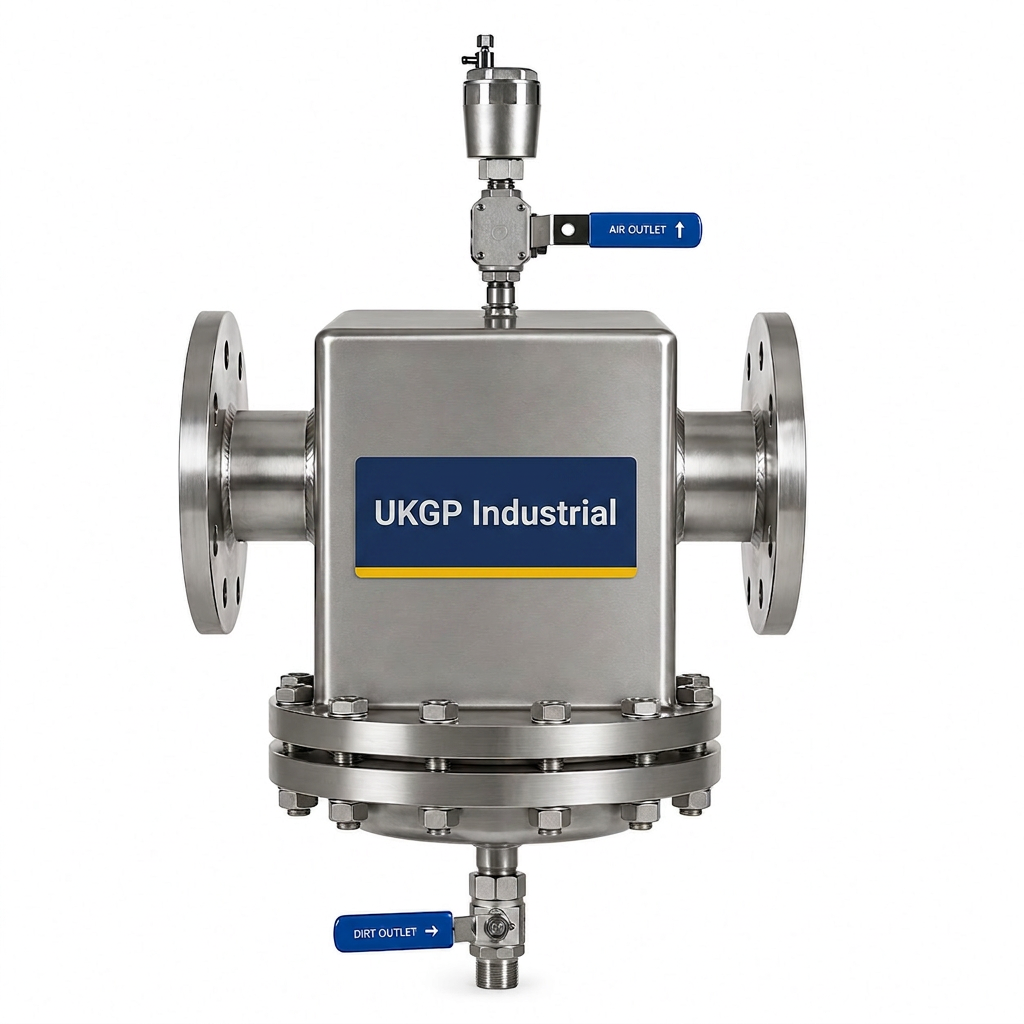
- Removable Thermal Jackets: Best suited for headers requiring frequent access to sensor pockets or air/dirt separation internal baffles.
Frequently asked questions
Is it a legal requirement to insulate a low loss header?
- CIBSE CP1 (2020) and Part L of the Building Regulations mandate that all primary and secondary pipework and ancillary equipment, including LLHs, must be insulated to prevent heat loss, specifically in non-domestic settings.
Can I use the same insulation for chilled water LLHs?
- Standard mineral wool or phenolic jackets for heating are unsuitable. Cryogenic-grade insulation or closed-cell NBR (Nitrile Butadiene Rubber) with a vapour barrier is required to prevent interstitial condensation and corrosion under insulation (CUI).
Does insulation affect BSRIA BG29/21 compliance?
- BSRIA BG29/21 focuses on water treatment, but insulation plays a role in biocidal control. Poor insulation on return legs or stagnant headers can create temperature gradients conducive to Legionella or Pseudomonas growth.
Are thermal jackets better than rigid cladding for LLHs?
- While flexible jackets are easier to remove for inspection, rigid PIR or phenolic shells with an Aluzink or aluminium cladding provide superior thermal performance and mechanical protection in high-traffic plant rooms.