Signs of Mechanical Failure and Vessel Integrity
The primary indicator for replacement is a breach in the pressure vessel's integrity. In UK plant rooms, many legacy separators are constructed from carbon steel and, if the system’s chemical dosing has been neglected, internal corrosion can thin the vessel walls. This is particularly prevalent in chilled water (CHW) systems where 'sweating' beneath insulation can lead to rapid external corrosion. Once the structural integrity of the shell is compromised, repair is not a viable option under the Pressure Equipment Directive (PED) guidelines; replacement is mandatory.
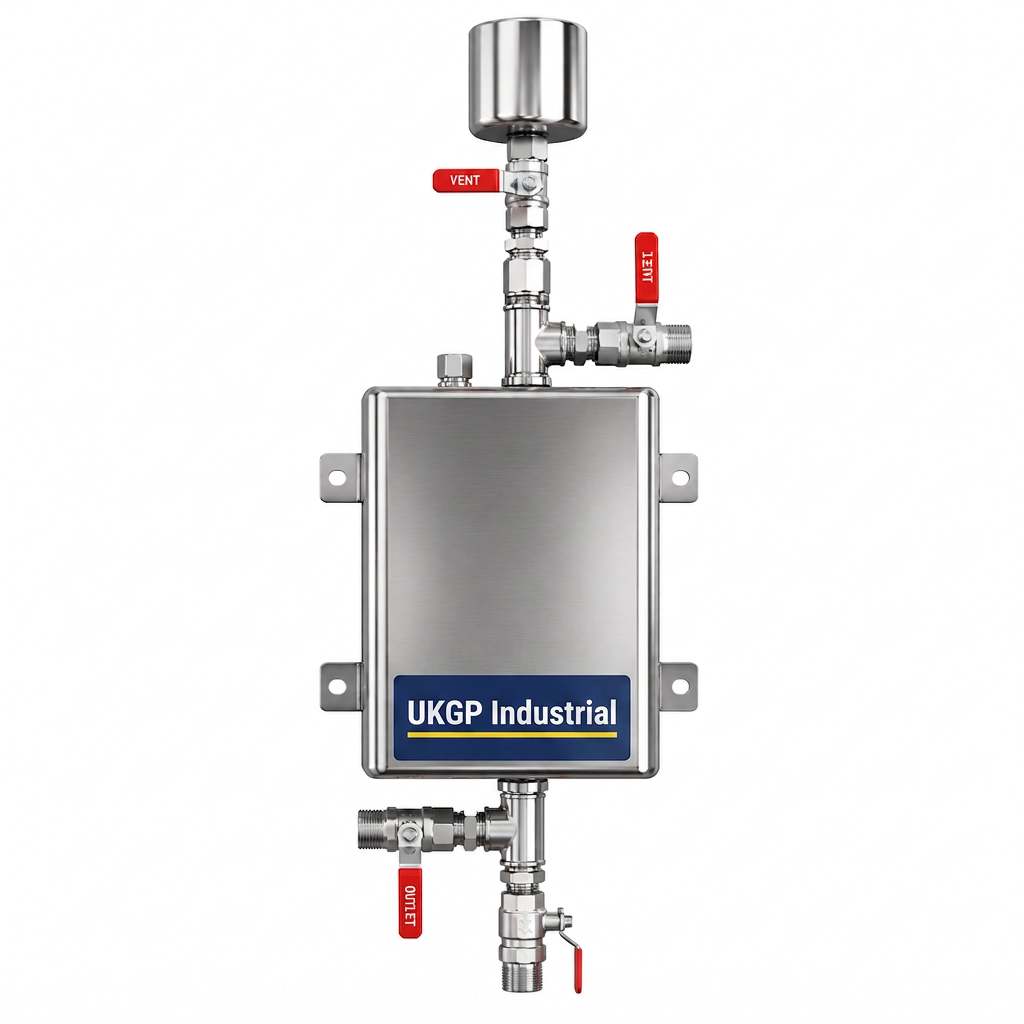
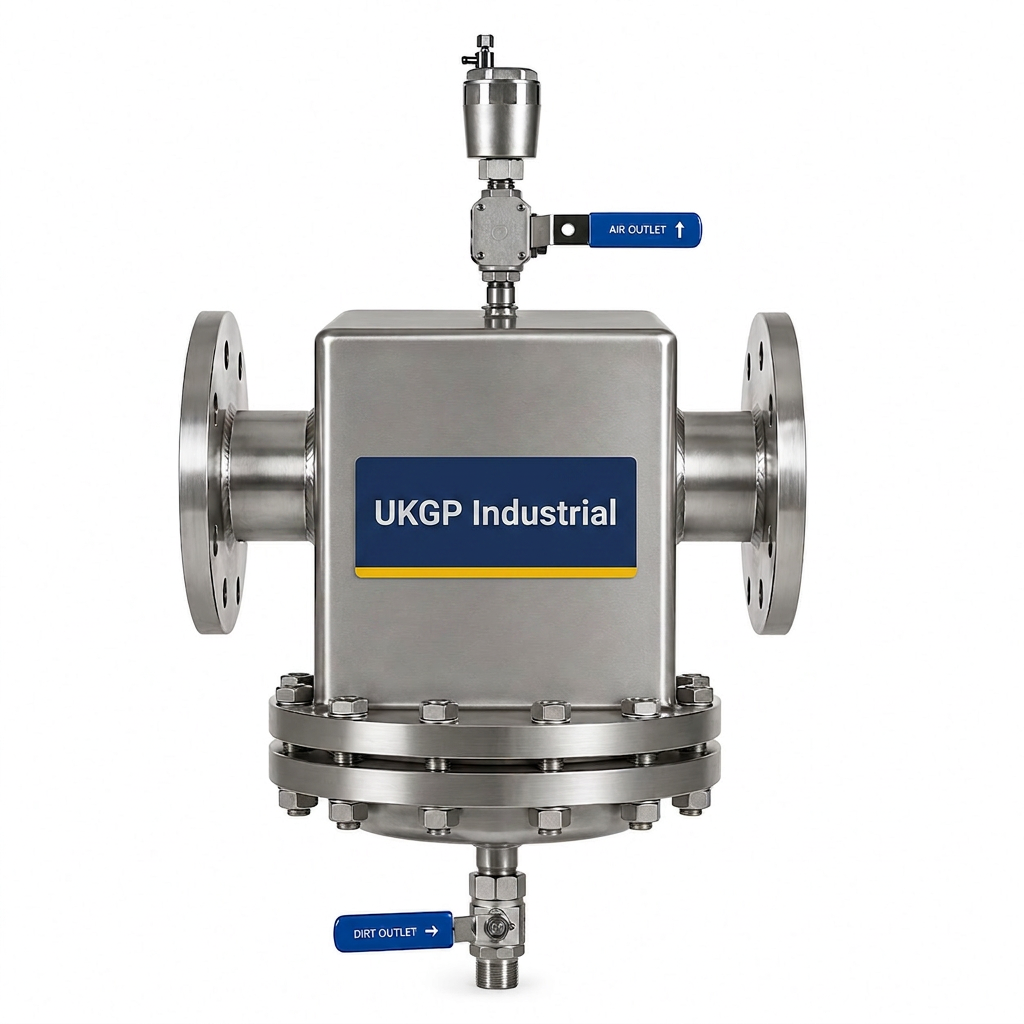
Engineers should also inspect the automatic air vent (AAV) mechanism integrated into the top of the unit. While the AAV itself is often a replaceable cartridge, persistent leaking or 'salt' deposits around the head indicate that the internal float mechanism is fouled by magnetite or scale. If the internal coalescing media—the 'brushes' or pall rings that facilitate micro-bubble release—has detached or collapsed due to high flow velocities, the unit will no longer provide effective deaeration, necessitating a full replacement.
- Pinhole leaks or weeping around the longitudinal or circumferential welds.
- Excessive external corrosion on the shell, often hidden under lagging, caused by chronic vent leakage.
- Deformation of the vessel body, indicating exposure to pressure surges beyond the unit's PN rating.
Loss of Efficiency and Internal Fouling
BSRIA BG29/21 emphasises the importance of maintaining low suspended solids to prevent erosion and deposition. A combined air and dirt separator works by slowing the fluid velocity to allow dirt to settle and air to rise. Over time, the internal scrubbing media can become 'blinded' by an accumulation of heavy magnetite and biological film. Once this media is clogged, the pressure drop across the unit increases, forcing the circulating pumps to work harder and reducing the overall system Delta T.
When the internal deaeration media is fouled, micro-bubbles are no longer trapped and stripped from the flow. This results in 'milky' water and a rise in dissolved oxygen levels, which accelerates the corrosion of steel pipework and cast-iron components. If a thorough blow-down of the dirt chamber fails to restore system clarity or reduce the pressure drop to original design levels, it indicates the internal media is permanently fouled, and the unit must be replaced to protect the rest of the plant.
- A notable increase in system pressure drop (delta P) across the separator.
- Persistent air-related noise or kettling in the boiler-room headers.
- Recurring 'dirt' alarms or fouling of plate heat exchangers (PHEs) downstream of the unit.
System Upgrades and Capacity Scaling
A common trigger for separator replacement is the modernisation of the central plant. When transitioning from traditional atmospheric boilers to low-water-content condensing boilers or heat pumps, the sensitivity of the system to debris increases exponentially. Modern ECM (Electronically Commutated Motor) pumps are highly susceptible to magnetite because their permanent magnet rotors attract fine metallic particles. If an existing separator lacks a dedicated magnetic insert, it is often inadequate for a modernised plant room.
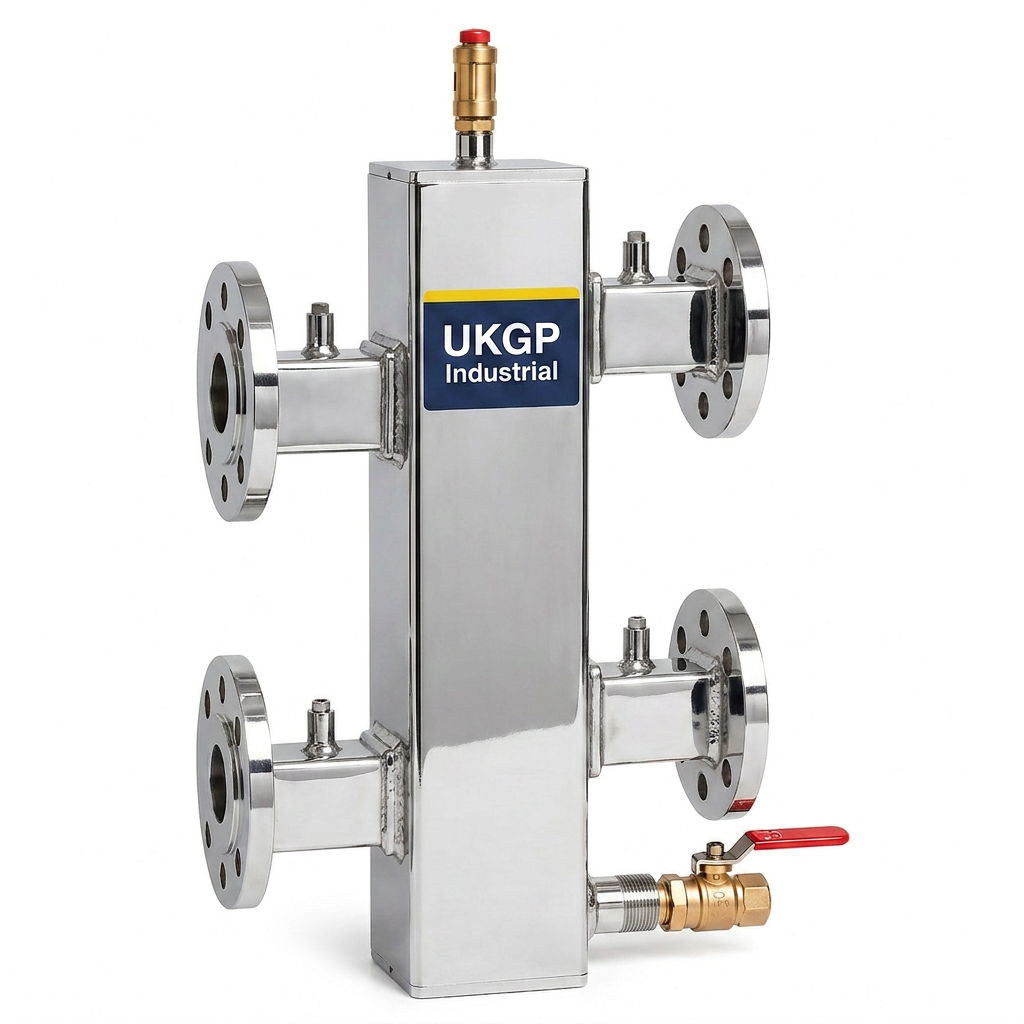
Furthermore, if the system volume has been increased through building expansion, a legacy separator may be undersized. Sizing should be based on maximum flow rate (m³/h) at a velocity of roughly 1.0 to 1.5 m/s to ensure effective separation. Installing a UKGP Industrial magnetic air and dirt separator during a plant upgrade ensures the vessel can handle the specific flow characteristics of the new equipment while providing the 5-micron filtration equivalent required for high-efficiency components.
- Inadequate dirt chamber capacity for updated high-volume systems.
- Lack of high-intensity magnetic filtration in older 'gravity-only' separators.
- Incorrect sizing: legacy separators are often oversized for modern low-flow, high-DT heat pump circuits.
Regulatory Compliance and BG50 Guidelines
BSRIA BG50 (Water Treatment for Closed Heating and Cooling Systems) provides clear thresholds for water quality. If a system is consistently failing to meet these benchmarks despite correct chemical dosing and regular flushing, the culprit is often an ineffective or end-of-life air and dirt separator. A separator that can no longer remove sufficient volumes of air will lead to an 'acidic' environment, as dissolved oxygen reacts with metal surfaces to form iron oxide.
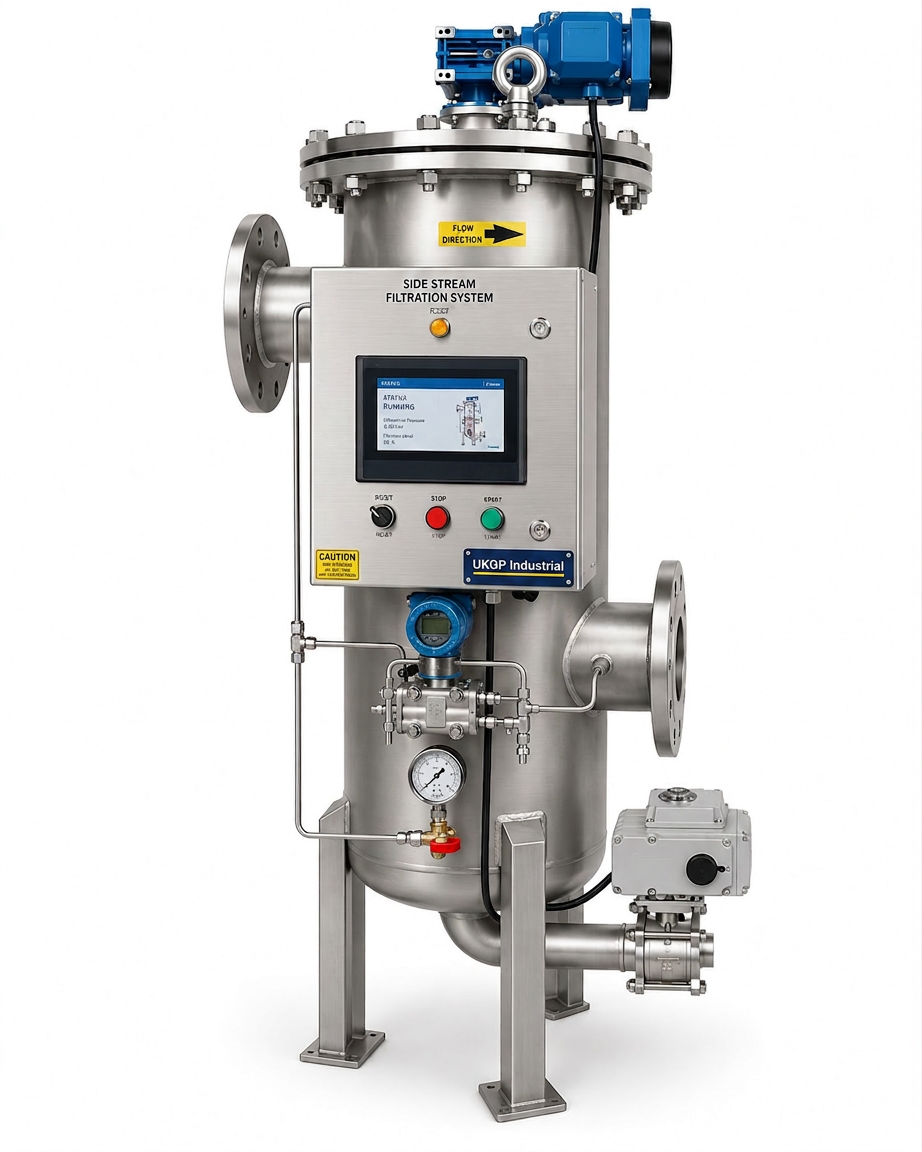
In scenarios where the primary separator is failing to manage the dirt load, engineers should consider whether the unit needs replacing with a higher-specification model or if supplementary side-stream filtration is required. However, the primary separator remains the 'gatekeeper' for the plant room; if it is physically degraded or technologically obsolete (non-magnetic), it should be swapped out as part of a proactive maintenance regime to satisfy insurance requirements and extend the life of the primary heat source.
- Dissolved oxygen levels consistently above 0.1 mg/l.
- Iron levels exceeding 5 mg/l in LTHW systems (as per BG50 guidance).
- Turbidity levels that do not improve despite chemical cleaning.
The Cost-Benefit of Proactive Replacement
The cost of a new combined air and dirt separator is negligible compared to the cost of replacing a fouled 500kW plate heat exchanger or an expensive variable speed pump. Reactive replacement—waiting for the unit to fail or for the system to block—often results in unplanned downtime and high emergency call-out fees. By contrast, a planned replacement allows for the installation of the latest magnetic separation technology, which provides superior protection against the magnetite 'black sludge' that plagues older UK heating systems.
When selecting a replacement, engineers should look for units with removable magnetic bars and large-capacity sediment chambers. UKGP Industrial separators are designed for longevity and ease of service, ensuring that once the replacement is performed, the system returns to the peak hydraulic performance required by modern energy efficiency standards. Proactive replacement should be scheduled during the summer 'off-heating' period for LTHW or winter for CHW to ensure minimal disruption to building occupants.
- Replacement of the primary heat source (Boilers/Heat Pumps).
- Visible leakage from the vessel body or irreparable air vent.
- Inability to clear magnetic sludge during routine blow-down.
Frequently asked questions
How often should a combined air and dirt separator be inspected?
- While traditional separators are passive and low-maintenance, BSRIA BG50 recommends a visual check every 6 months and a full internal inspection or blow-down assessment annually. If the magnet assembly is saturated or the vent is leaking, immediate action is required.
If the automatic air vent is leaking, do I need to replace the whole unit?
- Not necessarily. If the body is sound, the internal coalescing media and the automatic air vent (AAV) can often be replaced or cleaned. However, if the internal pall rings or wire mesh have corroded or 'blinded' with magnetite, a full unit replacement is usually more cost-effective.
Can I keep the existing separator if I upgrade my boiler plant to a higher pressure?
- Standard units are typically rated for 110°C and 10 bar. If your system parameters have increased (e.g., transition to a high-pressure secondary circuit), the existing separator must be replaced with a unit rated for the new design pressure and temperature to comply with the Pressure Equipment Directive (PED).
Is there a benefit to replacing an older non-magnetic separator?
- Older separators often lack high-strength neodymium magnets. Swapping for a modern UKGP Industrial magnetic separator significantly improves the capture of fine magnetite (black sludge), preventing it from fouling new high-efficiency heat exchangers and ECM pumps.